Contact Barrenjoey Inspections:
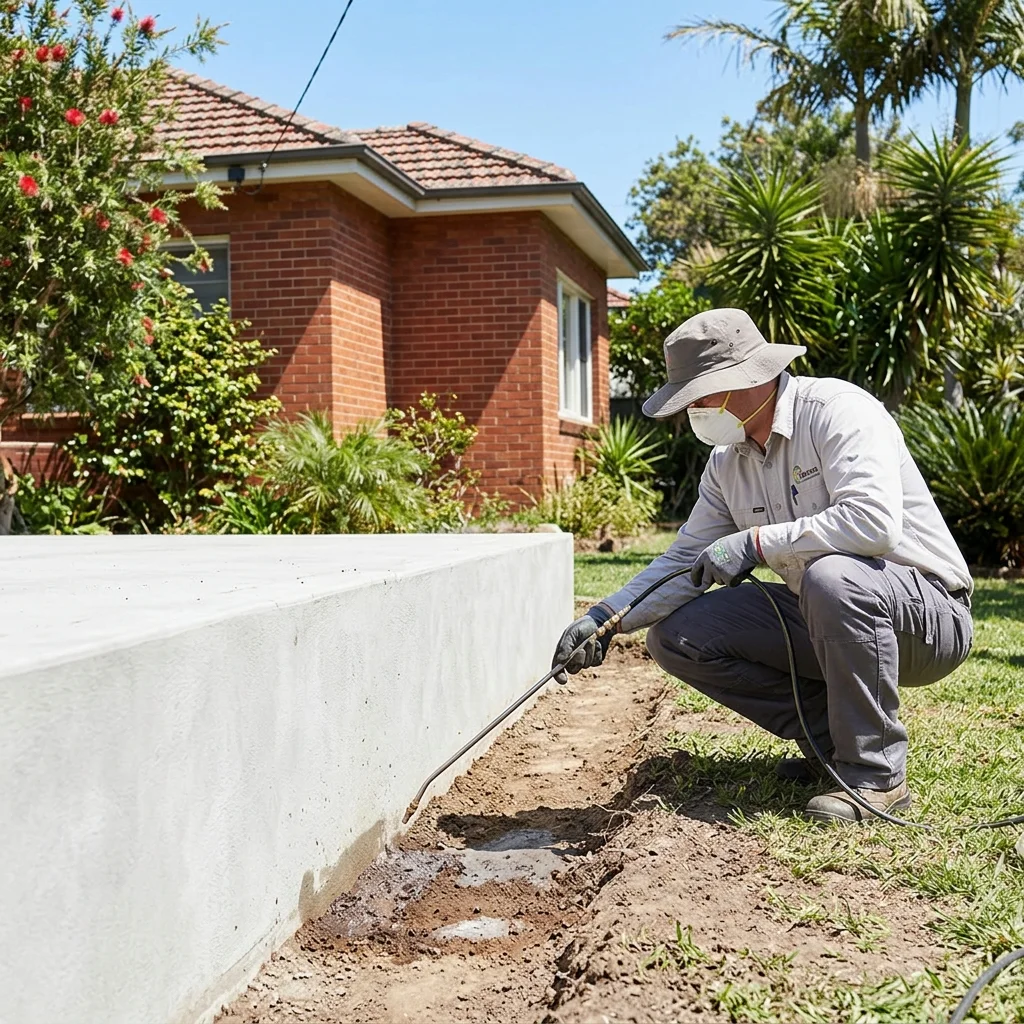
Termite barrier cost in Sydney ranges from $2,000 to $5,000 for a standard residential chemical soil barrier, $3,000 to $6,000 for a physical barrier system installed during construction, and $3,000 to $5,500 for a termite baiting and monitoring system around the perimeter. The type and cost of barrier your property needs depends on the construction type, soil conditions, existing protection status, and the level of termite risk in your area. For property buyers, understanding termite barrier costs is essential because a building and pest inspection may reveal that a property has no barrier in place, an expired barrier, or an existing barrier that has been breached by renovations or landscaping. In high-risk areas across Sydney’s Northern Beaches and North Shore, where bushland proximity and mature trees create ideal termite habitat, barrier protection is not optional. It is a cost that should be factored into your purchase budget from the beginning.
Termites cause more damage to Australian homes than fire, flood, and storms combined. The Insurance Council of Australia estimates that termite damage costs Australian homeowners over $1.5 billion annually, and standard home insurance does not cover termite damage because it is considered a maintenance issue rather than an insurable event.
A termite barrier is the primary line of defence. It does not kill every termite in the surrounding environment (that is impossible), but it creates a treated zone around the building that either repels termites, kills them on contact, or forces them into detectable paths where they can be identified during a thorough visual inspection before reaching the building’s structure.
When a pre-purchase building and pest inspection reveals that a property has no termite barrier, an expired barrier (chemical barriers have a limited effective lifespan), or a barrier that has been compromised by post-construction work, the buyer needs to factor the cost of installing or reinstating protection into their purchase decision.
“One of the most common findings in our inspections is a property with no termite barrier at all, or one that was installed decades ago and has long since expired. In high-risk suburbs across the Northern Beaches, that is a significant vulnerability that buyers need to address immediately after settlement.”
There are three main categories of termite barrier, each with different costs, installation requirements, and lifespans.
| Barrier Type | How It Works | Typical Cost (Standard Home) | Effective Lifespan | Best For |
|---|---|---|---|---|
| Chemical soil barrier | Liquid termiticide applied to the soil around and under the building’s perimeter | $2,000 to $5,000 | 5 to 8 years (requires reapplication) | Existing homes with accessible perimeters |
| Physical barrier | Non-chemical sheet or particle system installed during construction or major renovation | $3,000 to $6,000 | 25 to 50+ years (does not degrade) | New builds, major renovations, long-term protection |
| Baiting and monitoring system | Stations installed around the perimeter containing bait that termites carry back to the colony | $3,000 to $5,500 (install) + $500 to $1,200/year (monitoring) | Ongoing (requires active monitoring) | Properties where chemical treatment is not feasible, environmentally sensitive areas |
Each type has strengths and limitations, and the right choice depends on the property’s construction, site conditions, and the buyer’s long-term plans.
Chemical soil barriers are the most widely used termite protection for existing homes in Sydney. A licensed pest technician trenches or drills around the building’s perimeter and applies a liquid termiticide (such as Termidor, Altriset, or Premise) into the soil.
The chemical creates a treated zone in the soil that termites must pass through to reach the building. Depending on the product used, the barrier either kills termites on contact (non-repellent products like Termidor) or repels them away from the building (repellent products).
What affects the cost: The perimeter length of the building is the primary cost driver. A small house with a short perimeter costs less than a large home with extensions, verandahs, and complex foundations. Access also matters: homes with concrete paths, driveways, or pavers against the foundation require drilling through the hard surface to treat the soil underneath, which adds labour and cost.
Lifespan considerations: Chemical barriers degrade over time as the termiticide breaks down in the soil. Most products are rated for five to eight years, after which reapplication is needed. This ongoing cost should be factored into your long-term property maintenance budget.
What inspections reveal: During a building and pest inspection, your inspector will note whether there is evidence of a chemical barrier (drill holes in concrete, treatment tags, documentation), whether the barrier appears current or expired, and whether any post-treatment work (extensions, landscaping, new paths) has breached the barrier line.
Physical termite barriers are non-chemical systems that create a physical obstacle termites cannot penetrate. They are primarily installed during construction but can sometimes be retrofitted during major renovations.
Common physical barrier systems include Kordon (a laminated sheet impregnated with deltamethrin, installed under slabs and around penetrations), Termimesh (a fine stainless steel mesh installed around pipes, cables, and other penetrations that termites cannot chew through), and graded granite particles (such as Granitgard) packed around the perimeter in a size range that termites cannot move through.
Why they cost more upfront: Physical barriers require integration with the building process and are typically installed by specialist technicians working alongside the builder. The labour is more intensive than a chemical treatment.
Why they save money long term: Unlike chemical barriers, physical barriers do not degrade over time. A properly installed physical barrier system can last the life of the building (25 to 50+ years) without reapplication costs. Over a 30-year period, a physical barrier installed at $5,000 costs significantly less than five to six chemical treatments at $3,000 each.
What inspections reveal: Your inspector will note the presence of physical barriers (visible mesh, sheet systems at penetration points) and whether any post-construction work has compromised the system.
Baiting systems use in-ground stations installed around the building’s perimeter. Each station contains timber or cellulose material that is regularly checked for termite activity. When termites are detected feeding in a station, the timber is replaced with a bait containing a slow-acting insect growth regulator. The termites carry the bait back to the colony, where it spreads and eventually eliminates the colony.
The ongoing cost factor: Baiting systems have a moderate installation cost but require ongoing professional monitoring, typically quarterly inspections at $125 to $300 per visit. This adds $500 to $1,200 annually to the property’s maintenance costs indefinitely.
When baiting is the right choice: Properties where chemical soil treatment is impractical (waterfront homes, properties near waterways, homes with extensive landscaping against the foundation), properties in very high-risk areas where multiple layers of protection are warranted, and properties where the owner prefers a non-chemical approach.
A thorough building and pest inspection assesses the property’s current termite protection status as a standard part of the timber pest assessment. Here is what the inspector evaluates and why it matters for your barrier cost planning.
Presence of an existing barrier. The inspector looks for evidence of chemical treatment (drill holes, treatment stickers, documentation), physical barriers (visible mesh or sheet systems), or monitoring stations. If no barrier evidence exists, the property is unprotected and barrier installation should be budgeted for immediately after settlement.
Barrier currency. If a chemical barrier was previously installed, the inspector assesses whether it is likely still within its effective lifespan based on the treatment date (if documentation is available) and any evidence of retreatment. An expired barrier provides no meaningful protection.
Barrier integrity. Post-construction work such as extensions, new paths, landscaping against the building, or plumbing modifications can breach an existing barrier, creating gaps that termites can exploit. The inspector notes any evidence of work that may have compromised the barrier line.
Conducive conditions. Even with a barrier in place, the inspector identifies conditions that increase termite risk and potentially reduce barrier effectiveness: timber stored against the building, garden beds against walls, poor subfloor ventilation, moisture issues, and tree stumps near the foundation. These conditions are detailed in the signs of termites in your home guide.
Termite risk zone assessment. Properties in suburbs with heavy bushland, mature eucalyptus trees, and moist soil conditions carry higher risk. Across the Northern Beaches, suburbs like Avalon, Newport, Narrabeen, and Mona Vale sit within or adjacent to bushland with high termite activity. On the North Shore, suburbs like Mosman, Cremorne, and Lane Cove have significant mature tree canopy and consistent termite risk.
If your inspection reveals that a property has no termite barrier or an expired one, this finding is a legitimate negotiation point in the purchase process.
A property without termite protection in a high-risk area carries a quantifiable cost that the buyer will need to bear after settlement. That cost, whether $2,500 for a chemical barrier or $5,000 for a comprehensive system, can be factored into your offer price or requested as a condition of the contract.
The building inspection before auction guide covers how to use inspection findings strategically in competitive purchase scenarios.
Similarly, if the inspection reveals active termite damage alongside no barrier, the combined cost of termite damage repair plus barrier installation becomes a significant factor in whether the property represents fair value at the asking price.
Three barrier types, different costs, and different lifespans. Choose based on your property, risk level, and long-term plans.
$2K to $5K
per application
Lifespan: 5 to 8 years
Reapply: Yes, every cycle
Best for: Existing homes
30-year cost: $10K to $25K+
MOST COMMON
$3K to $6K
one-time installation
Lifespan: 25 to 50+ years
Reapply: No
Best for: New builds, major renos
30-year cost: $3K to $6K total
BEST LONG-TERM VALUE
$3K to $5.5K
install + annual monitoring
Lifespan: Ongoing
Annual cost: $500 to $1,200
Best for: High-risk, eco-sensitive
30-year cost: $18K to $41K+
ACTIVE COLONY ELIMINATION
Inspector checks for treatment evidence: drill holes, stickers, documentation, physical systems, monitoring stations.
Chemical barriers expire after 5 to 8 years. An expired barrier provides no meaningful protection.
Extensions, new paths, landscaping, or plumbing work post-treatment can break the barrier line.
Timber against walls, garden beds touching foundations, poor ventilation, tree stumps nearby all increase risk.
If your building and pest inspection reveals no barrier, an expired barrier, or a compromised one, the cost of installation is a legitimate negotiation point. Factor barrier cost into your offer price or request it as a contract condition. The inspection report provides the evidence.
barrenjoeyinspections.com.au | Barrenjoey Inspections | Northern Beaches and North Shore
A chemical soil barrier for a standard three to four-bedroom house in Sydney typically costs $2,000 to $5,000 depending on the perimeter length, access, and product used. A baiting system costs $3,000 to $5,500 for installation plus $500 to $1,200 annually for ongoing monitoring. Physical barriers installed during construction cost $3,000 to $6,000 but last the life of the building.
Yes. A combined building and pest inspection assesses whether a termite barrier is present, whether it appears current, and whether post-construction work has potentially compromised it. The inspector also identifies conditions that increase termite risk regardless of barrier status.
Most chemical termite barriers are rated for five to eight years depending on the product, soil type, and conditions. After this period, the termiticide has degraded sufficiently that reapplication is recommended. This is an ongoing maintenance cost that should be factored into long-term property ownership budgets.
Yes. A property without termite protection in a termite-prone area carries a quantifiable cost the buyer will need to address. The cost of barrier installation can be factored into your offer price or requested as a contract condition. Your inspection report provides the evidence to support this negotiation.
Yes. The Northern Beaches has high termite activity due to bushland proximity, mature eucalyptus trees, sandy soils, and moisture conditions that are ideal for termite colonies. Suburbs like Avalon, Newport, and Narrabeen are particularly high-risk. A termite barrier is considered essential, not optional, for any property in these areas.

EXCELLENTTrustindex verifies that the original source of the review is Google. Marc was efficient and extremely thorough at a time we really needed his professional advice. His communication is outstanding and we highly recommend him.Posted on GoogleTrustindex verifies that the original source of the review is Google. Marc provided a very comprehensive building report, and was a pleasure to work with. He was responded to our enquiry immediately and was available at short notice.Posted on GoogleTrustindex verifies that the original source of the review is Google. I highly recommend Marc for anyone looking for a building and pest report. He was responsive, thorough in his review of the property, helpful with my queries and easy to do business with.Posted on GoogleTrustindex verifies that the original source of the review is Google. Marc is extremely thorough and meticulous. I have used many other Property inspectors in the past and none of them have come anywhere close to the level of detailed reports that Mark provide. He is the gold standard for property inspectors. So pleased I engaged his services on several occasions. I will recommend him to everyone. Dave.Posted on GoogleTrustindex verifies that the original source of the review is Google. Marc performed a building and pest inspection for an apartment ahead of a purchase. Quick turnaround for a thorough report that was clear to understandPosted on GoogleTrustindex verifies that the original source of the review is Google. Marc was able to accomodate me quickly and was very thorough and knowledgeable. I highly recommend Marc for your next house/pest inspection.Posted on GoogleTrustindex verifies that the original source of the review is Google. I was very impressed by the professional and friendly service from Barrenjoey Inspections. Marc is knowledgeable and has great attention to detail. The report is thorough and easy to follow, providing confidence for the most significant purchase, our new home.Verified by TrustindexTrustindex verified badge is the Universal Symbol of Trust. Only the greatest companies can get the verified badge who has a review score above 4.5, based on customer reviews over the past 12 months. Read more
Professional Building Inspection Services Across All Sydney Regions
Subscribe to our newsletter and never miss the let latest articles, expert blogs, business effectively.
Buying a property is one of the biggest financial commitments you will make. Our pre-purchase building and pest inspections provide a detailed assessment of the visible condition of the property, helping you make informed decisions before you sign.
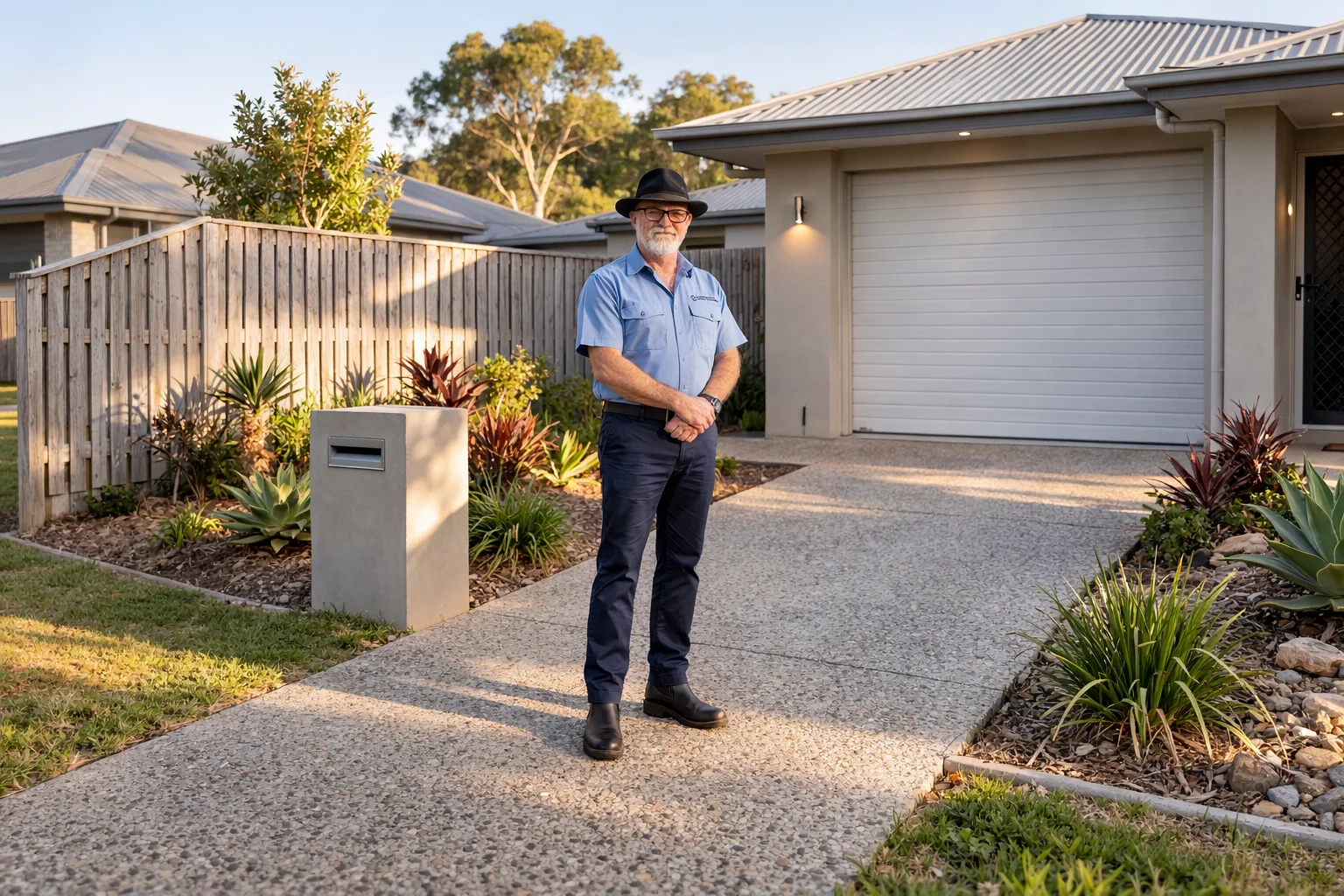
Need a building-only assessment before purchase? Our buyer building inspection covers structure, safety, moisture, and visible defects without the timber pest component.

Our most requested service is the complete building and pest inspection Sydney buyers book before auctions and cooling-off deadlines. You receive a comprehensive structural and timber pest assessment in one detailed report — delivered within 24 hours. This is the most efficient way to protect your purchase.
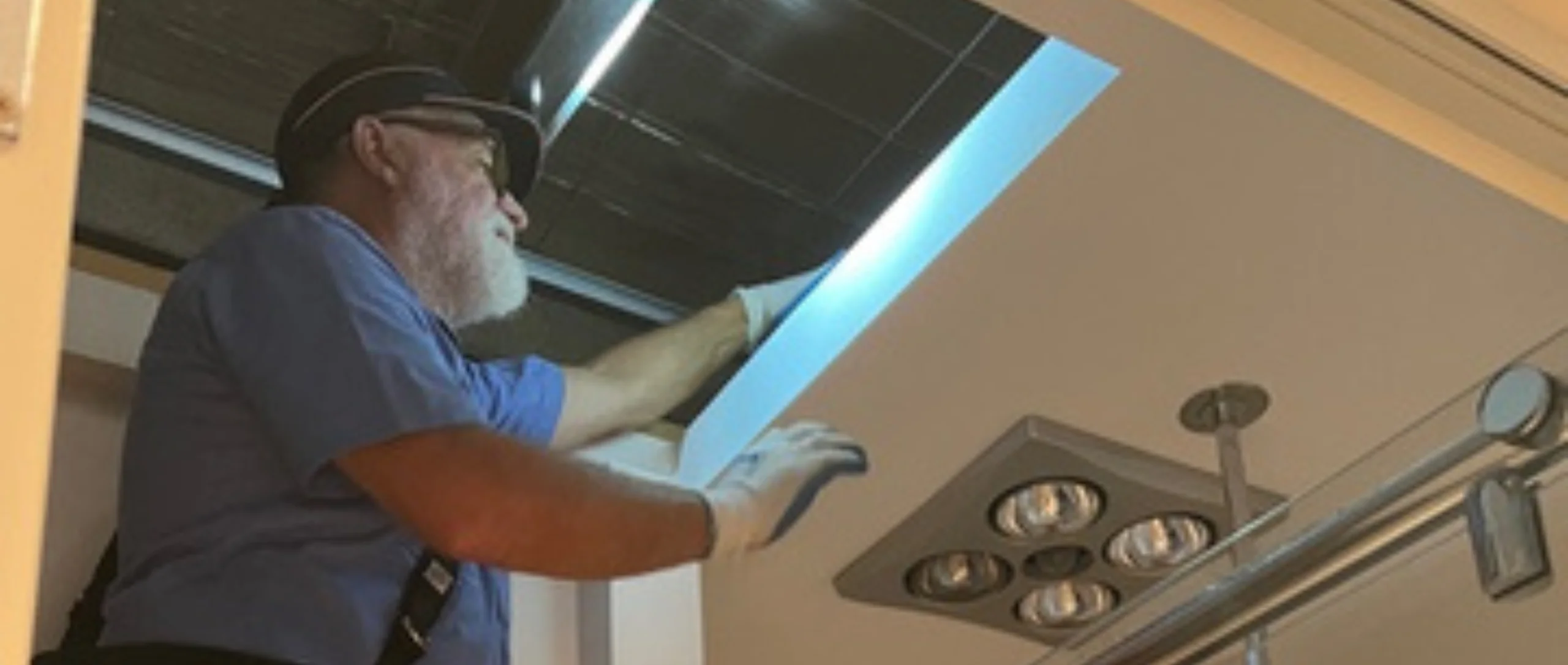
Experiencing defects in your apartment or strata unit, or planning remedial works? We provide independent inspections that document the condition of your unit and visible common property areas. Our reports give you clear evidence to help you engage with your owners corporation, understand potential issues, and protect your investment.