Contact Barrenjoey Inspections:
Signs of structural damage in a house range from obvious (large cracks in walls, doors that no longer close, visibly sagging floors) to subtle (hairline cracks in specific patterns, minor gaps between walls and ceilings, slight unevenness underfoot that develops gradually). Structural damage affects the load-bearing components of a building: foundations, footings, load-bearing walls, beams, columns, roof framing, and floor structure. Left unaddressed, structural damage worsens over time because the forces that caused it (ground movement, moisture, termite activity, poor construction) do not stop on their own. For property buyers, recognising the signs of structural damage before purchase can save tens of thousands in unexpected repair costs. For homeowners, early identification means simpler, less expensive intervention before the damage progresses. At Barrenjoey Inspections, structural assessment is a core component of every thorough visual building inspection we conduct across the Northern Beaches and North Shore.
Cracks are the most visible and most misunderstood sign of structural damage. Many homeowners assume any crack means the building is failing. In reality, cracks range from completely harmless cosmetic settlement to genuinely concerning structural movement. Knowing the difference prevents unnecessary panic and ensures real problems are not dismissed.
| Crack Type | What It Looks Like | What It Usually Means | Level of Concern |
|---|---|---|---|
| Hairline cracks in plaster | Very fine lines, often straight, typically at joins between plasterboard sheets | Normal settlement and seasonal movement. Cosmetic only. | Low |
| Vertical cracks at wall-ceiling joins | Straight vertical lines where walls meet ceilings or corners | Normal building movement, particularly in newer homes as they settle | Low |
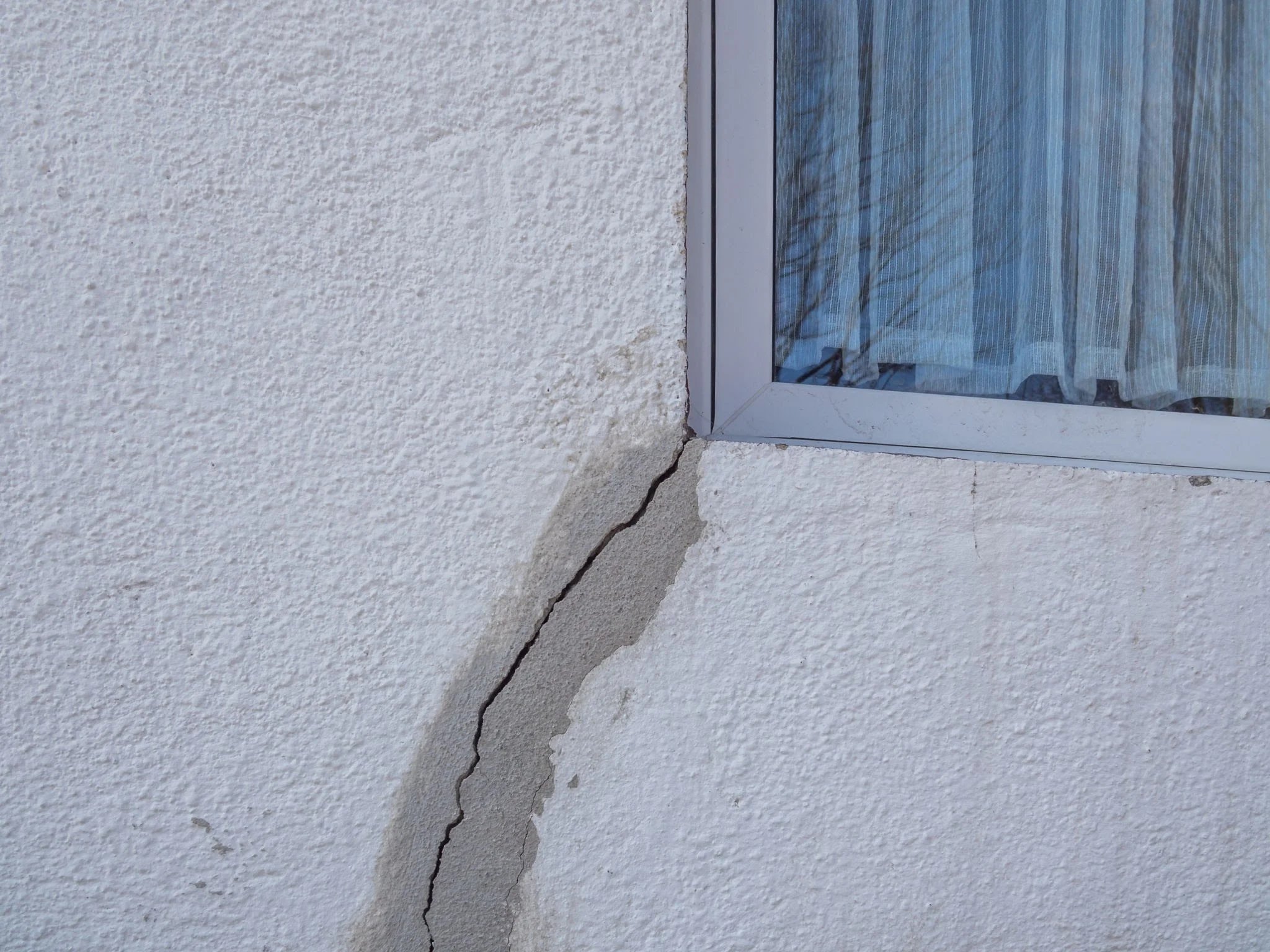
| Diagonal cracks from window or door corners | Cracks running at an angle from the corner of a window or door frame toward the ceiling or floor | Foundation movement or differential settlement. The building is moving unevenly. | High |
| Staircase (stepped) cracks in brickwork | Cracks following the mortar joints in a step pattern up the wall | Foundation movement. The wall is separating along its weakest points (mortar lines). | High |
| Horizontal cracks in brickwork | A horizontal crack running along a mortar course, often at a specific height | Lateral pressure on the wall (from retaining, soil, or structural overload) | High |
| Cracks wider at the top than the bottom | A crack that is visibly wider at one end | Active differential movement. One part of the building is moving more than another. | Very high |
| Cracks wider than 5mm | Any crack that is wide enough to fit a pencil into | Significant structural movement requiring professional assessment | Very high |
When a building inspector assesses cracks during a pre-purchase inspection, they evaluate the pattern, width, direction, location, and whether the crack appears to be old (stable) or recent (active). A single crack in isolation tells one story. Multiple cracks in a consistent pattern across the building tells a very different one.
“The crack itself is just the symptom. What matters is what caused it. A diagonal crack from a window corner tells me the foundation has moved. A horizontal crack in brickwork tells me the wall is under lateral pressure. The crack pattern is the building’s way of telling you where and how it is moving.”
The foundation is the most critical structural element because everything above it depends on it being stable. Foundation problems are common across Sydney, particularly on the Northern Beaches where sandy soils, clay pockets, sloping sites, and proximity to waterways create variable ground conditions.
Signs of foundation movement:
Diagonal cracks radiating from window and door corners are the classic indicator. These appear because the rigid window and door frames cannot flex with the moving wall, so the stress concentrates at the corners and the wall cracks at these weak points.
Doors and windows that no longer open, close, or latch properly suggest the frames have been distorted by building movement. If a door that used to close perfectly now sticks at the top corner or swings open on its own, the frame is no longer square because the wall it sits in has moved.
Gaps appearing between walls and ceilings, walls and floors, or at external wall junctions indicate that different parts of the building are moving at different rates (differential settlement).
Uneven or sloping floors are sometimes felt before they are seen. A marble or ball placed on the floor rolls consistently in one direction. This indicates the floor structure or the foundations supporting it have moved.
For property buyers, these signs should prompt a thorough building inspection before committing to purchase. The building inspection before auction guide covers how to manage this in competitive buying scenarios.
Moisture is the second most common cause of structural damage in Sydney homes, after ground movement. Water in the wrong places degrades building materials progressively over months and years.
Rising damp occurs when groundwater is drawn upward through masonry walls by capillary action. It typically presents as a tide mark on the lower sections of internal walls (usually up to one metre high), paint peeling or bubbling at the base of walls, efflorescence (white salt deposits) on brickwork, and a damp, musty smell at ground level. The rising damp Sydney guide covers this condition in detail, and efflorescence in brickwork explains what those white salt deposits actually mean.
Subfloor moisture affects homes with suspended timber floors (common in older Northern Beaches homes). Poor drainage, inadequate subfloor ventilation, and leaking plumbing allow moisture to accumulate beneath the floor. Over time, this causes timber decay in bearers, joists, and stumps, floor bouncing or sagging, and a musty smell from underneath the house.
Roof leaks cause structural damage when they go undetected. Water entering through the roof cavity wets timber framing, promotes timber decay, and can compromise the structural integrity of rafters and ceiling joists over time.
Plumbing leaks within walls and under floors create localised moisture that damages framing, promotes mould, and can cause localised floor or wall movement.
During a building and pest inspection, moisture is assessed using visual observation, moisture meters, and assessment of drainage and ventilation conditions around and under the property.
Termites cause structural damage by consuming the cellulose in timber framing, often from the inside out. A timber beam can look perfectly sound on the outside while being almost entirely hollow inside.
Signs of termite-related structural damage:
Floors that feel bouncy, soft, or springy when walked on may indicate that the subfloor framing (bearers and joists) has been weakened by termite feeding.
Doors and windows that suddenly become difficult to open or close can indicate that the surrounding timber framing has been compromised by termite damage, causing the frame to distort.
Sagging or uneven ceiling lines may indicate that ceiling joists or roof framing above have been damaged by termite activity in the roof cavity.
Mud shelter tubes (thin trails of mud on foundation walls, piers, or inside the subfloor) are the visible evidence of termite access routes.
Hollow-sounding timber when tapped with a screwdriver handle suggests the interior has been consumed while the outer shell remains intact.
For a comprehensive guide to termite identification, read signs of termites in your home. For understanding the financial implications, the termite damage repair cost guide covers real-world repair scenarios, and the termite barrier cost guide covers prevention.
The roof structure (rafters, ridge beam, purlins, ceiling joists, and battens) can show signs of structural damage that are only visible from inside the roof cavity or through indirect evidence from below.
Signs of roof structural problems:
A visible sag in the roof line when viewed from the street indicates that the ridge beam, rafters, or supporting structure has weakened. This can be caused by timber decay, termite damage, removed internal walls that were load-bearing, or inadequate original framing.
Cracked or bowed ceiling plaster, particularly along the centre line of a room, may indicate that the ceiling joists above are deflecting under load.
Roof tiles that keep slipping or displacing despite being repositioned may indicate that the battens holding them have deteriorated from timber decay or termite damage.
Water stains on ceilings and upper walls indicate roof leaks that, if long-standing, may have caused structural timber damage in the roof cavity above.
Bowing or leaning walls are visible when a wall leans inward or outward from its original vertical position. This is assessed by looking along the face of the wall from one end: a wall that is not straight is not structurally sound. Causes include foundation movement, inadequate bracing, removal of adjacent structural support, and lateral soil pressure on retaining walls integrated with the building.
Bouncy or springy floors indicate that the floor structure (bearers, joists, or the supporting piers/stumps) has weakened. Causes include timber decay from moisture exposure, termite damage, inadequate original sizing of floor timbers, and settlement or failure of supporting piers.
Sagging floors that slope toward the centre of the room or toward one wall indicate that a specific support point has failed. This could be a collapsed stump, a rotted bearer, or a termite-damaged joist that has lost its load capacity.
If you are buying a property: Any structural sign described above should prompt a thorough pre-purchase building and pest inspection before you commit financially. The inspection report will classify the severity of the damage, identify the likely cause, and note whether further specialist investigation (such as a structural engineer’s assessment) is recommended. This information is essential for negotiating the purchase price or deciding whether to proceed. The building inspection cost Sydney guide covers what the inspection costs and what is included.
If you are a homeowner: Early investigation is always cheaper than delayed investigation. Structural damage that is identified and addressed early (underpinning a foundation, replacing damaged framing, fixing a drainage issue) costs a fraction of what it costs once the damage has progressed to the point of visible failure.
For strata properties: Structural damage in an apartment building affects common property and may require a strata inspection that assesses both your unit and the building’s common structural elements.
If you are selling: A pre-sale building inspection identifies structural issues before they are discovered by the buyer’s inspector, giving you the option to address them proactively or price the property accordingly.
Request a free quote from Barrenjoey Inspections for a thorough building and pest inspection that includes a full structural assessment. We service the Northern Beaches, North Shore, and surrounding Sydney areas including Manly, Mosman, Avalon, Newport, Mona Vale, and Collaroy.
Not all cracks are structural. Here is how to tell the difference and what each sign means for your property.
Hairline cracks in plaster at sheet joins
Vertical cracks at wall-ceiling junctions
Fine cracks in new homes (normal settlement)
Cracks narrower than 2mm, consistent width
Diagonal cracks from window/door corners
Staircase (stepped) cracks in brickwork
Horizontal cracks in masonry walls
Cracks wider than 5mm or wider at one end
Reactive soils, poor drainage, slope erosion. Causes diagonal and stepped cracking patterns.
Rising damp, subfloor moisture, leaks. Causes timber decay, floor sagging, wall deterioration.
Termites consume timber from inside out. Causes bouncy floors, sagging ceilings, frame distortion.
Undersized framing, removed load-bearing walls, inadequate bracing. Causes localised failures.
Frames distorted by wall movement. No longer open, close, or latch properly.
Floor slopes toward one wall or the centre. Indicates foundation or subfloor support failure.
Visible dip in the roof when viewed from the street. Weakened ridge beam, rafters, or supports.
Gaps between walls and ceilings, walls and floors, or at external wall corners. Differential movement.
Floor moves when walked on. Weakened bearers, joists, or piers from moisture or termite damage.
Wall no longer plumb. Visible lean inward or outward. Inadequate bracing or lateral pressure.
Structural damage is not always visible during a standard open home walkthrough, especially under the soft lighting and staged furnishings designed to make a property look its best. A thorough building inspection by a licensed builder with construction experience identifies signs that casual observation misses. The cost of the inspection is insignificant compared to the cost of discovering structural problems after settlement.
barrenjoeyinspections.com.au | Barrenjoey Inspections | Northern Beaches and North Shore
Diagonal cracks running from window and door corners are the most common and most reliable indicator of foundation movement. These cracks appear because the rigid frames cannot flex with the moving wall. On the Northern Beaches, variable soil conditions (sandy soils, clay pockets, sloping sites) make foundation movement particularly common. A thorough building inspection assesses all crack patterns across the building to determine the cause and severity.
No. Many cracks are purely cosmetic: hairline cracks in plaster at sheet joins, fine cracks at wall-ceiling junctions, and settlement cracks in new homes are all common and typically not structural. Cracks that are diagonal, stepped (following mortar joints in brickwork), wider than 5mm, or wider at one end than the other are more likely to indicate structural movement and warrant professional assessment.
Yes. Structural assessment is a core component of a thorough visual building inspection. A qualified inspector, particularly one with construction experience, identifies crack patterns, assesses foundation movement, checks floor levels, inspects roof and subfloor framing, and evaluates moisture and termite-related structural damage. If the damage appears significant, the inspector may recommend further investigation by a structural engineer.
Costs vary enormously depending on the type and extent of damage. Minor crack repair and repointing may cost a few hundred dollars. Foundation underpinning can cost $10,000 to $50,000 or more depending on the extent. Replacing termite-damaged structural framing can cost $15,000 to $50,000+. The termite damage repair cost guide covers termite-specific repair scenarios. For all structural issues, getting an inspection and diagnosis first is essential before any repair quote can be meaningful.
Yes. A building inspection provides an objective, professional assessment of the damage's severity and likely cause. This prevents you from underreacting to a serious problem or overreacting to a cosmetic one. Early diagnosis almost always leads to less expensive intervention. Contact Barrenjoey Inspections for a thorough assessment.

EXCELLENTTrustindex verifies that the original source of the review is Google. Marc was efficient and extremely thorough at a time we really needed his professional advice. His communication is outstanding and we highly recommend him.Posted on GoogleTrustindex verifies that the original source of the review is Google. Marc provided a very comprehensive building report, and was a pleasure to work with. He was responded to our enquiry immediately and was available at short notice.Posted on GoogleTrustindex verifies that the original source of the review is Google. I highly recommend Marc for anyone looking for a building and pest report. He was responsive, thorough in his review of the property, helpful with my queries and easy to do business with.Posted on GoogleTrustindex verifies that the original source of the review is Google. Marc is extremely thorough and meticulous. I have used many other Property inspectors in the past and none of them have come anywhere close to the level of detailed reports that Mark provide. He is the gold standard for property inspectors. So pleased I engaged his services on several occasions. I will recommend him to everyone. Dave.Posted on GoogleTrustindex verifies that the original source of the review is Google. Marc performed a building and pest inspection for an apartment ahead of a purchase. Quick turnaround for a thorough report that was clear to understandPosted on GoogleTrustindex verifies that the original source of the review is Google. Marc was able to accomodate me quickly and was very thorough and knowledgeable. I highly recommend Marc for your next house/pest inspection.Posted on GoogleTrustindex verifies that the original source of the review is Google. I was very impressed by the professional and friendly service from Barrenjoey Inspections. Marc is knowledgeable and has great attention to detail. The report is thorough and easy to follow, providing confidence for the most significant purchase, our new home.Verified by TrustindexTrustindex verified badge is the Universal Symbol of Trust. Only the greatest companies can get the verified badge who has a review score above 4.5, based on customer reviews over the past 12 months. Read more
Professional Building Inspection Services Across All Sydney Regions
Subscribe to our newsletter and never miss the let latest articles, expert blogs, business effectively.
Buying a property is one of the biggest financial commitments you will make. Our pre-purchase building and pest inspections provide a detailed assessment of the visible condition of the property, helping you make informed decisions before you sign.
Need a building-only assessment before purchase? Our buyer building inspection covers structure, safety, moisture, and visible defects without the timber pest component.

Our most requested service is the complete building and pest inspection Sydney buyers book before auctions and cooling-off deadlines. You receive a comprehensive structural and timber pest assessment in one detailed report — delivered within 24 hours. This is the most efficient way to protect your purchase.
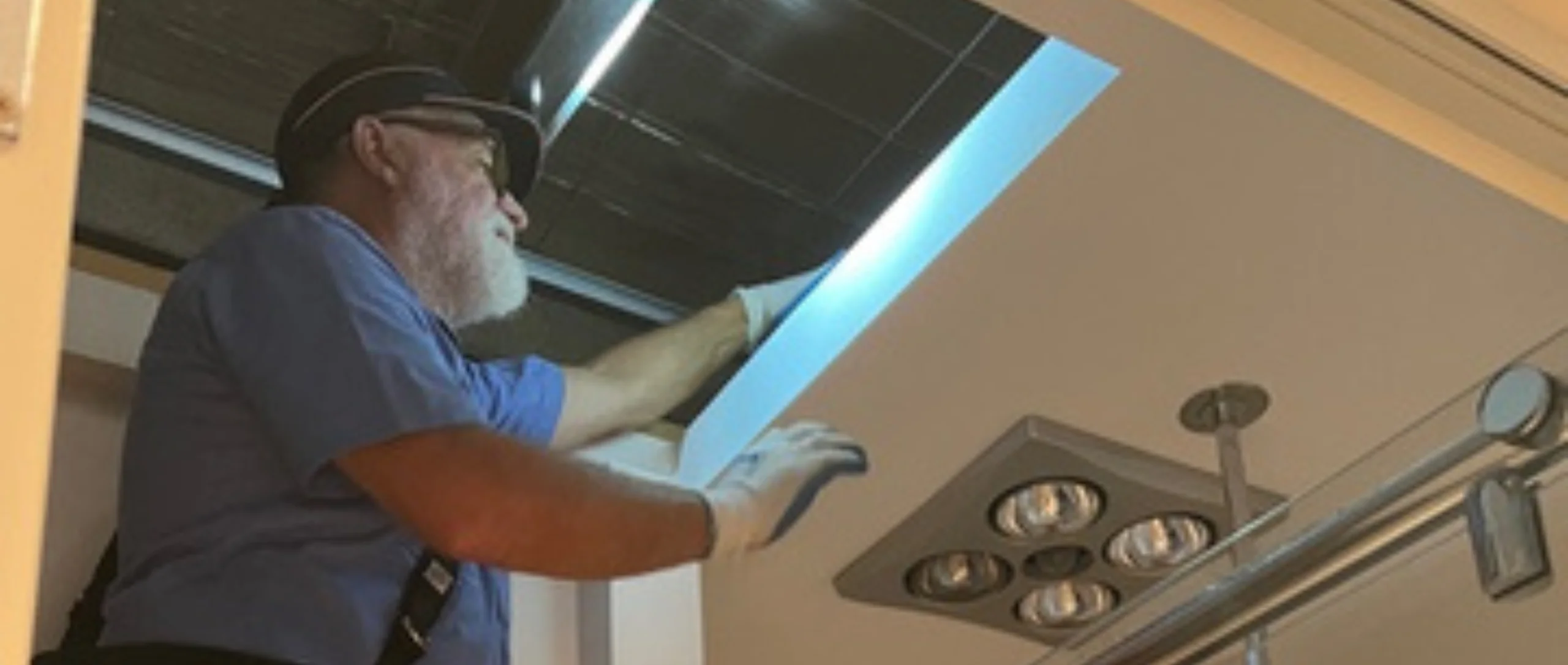
Experiencing defects in your apartment or strata unit, or planning remedial works? We provide independent inspections that document the condition of your unit and visible common property areas. Our reports give you clear evidence to help you engage with your owners corporation, understand potential issues, and protect your investment.