Contact Barrenjoey Inspections:
Cracks in plaster usually develop because the material has moved, dried, expanded, contracted or been affected by movement in the building behind it. Some causes are relatively minor, while others can warrant further investigation.
Buildings naturally experience movement over time. Changes in temperature and humidity, settlement, building materials expanding and contracting, minor movement around openings and ageing finishes can all contribute to cracking.
The challenge for a property buyer is that a photograph of a crack rarely tells you enough to determine its significance.
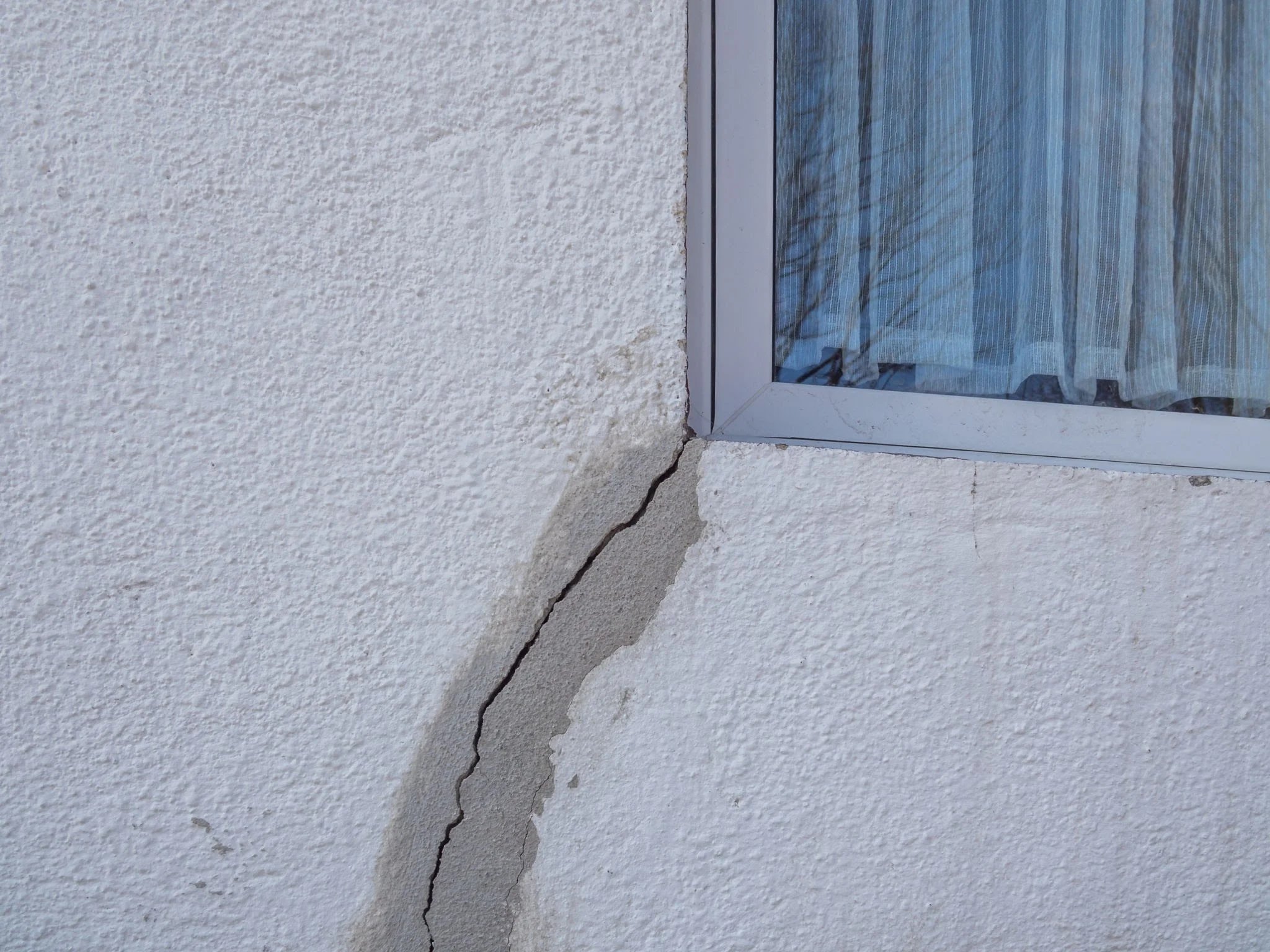
For example, a thin crack above a doorway may simply relate to movement where different materials meet. A diagonal crack extending from a window, however, may deserve closer examination, particularly if it is accompanied by other signs of movement.
Other possible contributing factors include:
This is why an experienced inspector looks beyond the crack itself. The building and pest inspection service assesses visible building elements and considers whether cracking appears alongside other defects or warning signs.
You should be more concerned about a crack when its size, direction, location, progression or surrounding symptoms suggest that it may be connected to movement, moisture or another building defect.
There is no single crack width that can determine whether a property is safe to buy. Context matters considerably.
A crack that is noticeably wide or appears to be increasing in size deserves investigation.
A very fine hairline crack may be associated with normal movement or the plaster finish itself. A more pronounced crack, particularly one that has been patched repeatedly, may indicate ongoing movement.
If the seller has recently repaired and repainted an area containing cracking, ask whether there is any history of the defect. Fresh paint does not establish that the underlying cause has been resolved.
Diagonal cracking around openings can warrant closer inspection because windows and doors create changes in the way loads are distributed through a wall.
This does not mean every diagonal crack is structural. However, its position, direction and relationship with other visible defects should be considered.
An experienced building inspector can assess the surrounding wall, openings, finishes and accessible structural elements to determine whether the crack appears isolated or forms part of a wider pattern.
Cracking becomes more significant when it appears alongside doors or windows that suddenly stick, jam or no longer close correctly.
These symptoms can sometimes indicate movement within the building.
Again, this is not proof of a structural defect. It is a reason to look at the property as a whole rather than treating the plaster crack as an isolated cosmetic issue.
Multiple cracks forming a similar pattern can be more concerning than one isolated hairline crack.
If you notice cracking:
it is worth having the property assessed before making an unconditional commitment.
Cracking combined with staining, bubbling paint, mould-like marks or dampness deserves attention because moisture can contribute to deterioration.
Moisture can enter buildings through a range of pathways, including roof leaks, plumbing problems, inadequate drainage, failed waterproofing and external water entry.
The pre-purchase inspection service includes assessment of visible moisture risks and accessible areas where signs of water entry or deterioration may be present.
Repeated patching can indicate that the underlying cause has not been resolved. A property may have perfectly reasonable historical repairs, but repeated cracking in the same location is worth asking about.
A buyer should be particularly cautious about assuming that a smooth painted surface means the underlying issue has disappeared.
Fine, isolated cracks can often be less concerning when there are no accompanying signs of movement, moisture or deterioration.
Common examples include:
| Crack or defect pattern | Possible explanation | What a buyer should do |
|---|---|---|
| Very fine hairline crack | Normal movement or plaster shrinkage | Monitor and ask the inspector to assess it |
| Crack along a plasterboard joint | Joint movement or finishing issue | Check whether it is isolated or recurring |
| Fine crack at an internal corner | Movement between adjoining surfaces | Look for associated movement |
| Small crack around a door frame | Localised movement or finishing issue | Have the surrounding area assessed |
| Larger diagonal crack | Possible building movement | Request professional assessment |
| Crack with damp or staining | Possible moisture-related defect | Investigate the source of moisture |
| Multiple recurring cracks | Possible ongoing movement | Have the overall pattern assessed |
| Crack with uneven floors or sticking doors | Possible broader movement | Arrange a building inspection before proceeding |
The table should be treated as a guide, not a diagnosis. A visual inspection can identify visible concerns and help determine whether further specialist investigation may be appropriate.
The Northern Beaches has a diverse housing stock and environmental conditions that make looking at the wider building condition particularly important.
Properties range from older coastal homes and renovated houses to modern townhouses and apartments. Older properties can present age-related defects, while coastal exposure can contribute to deterioration of certain building materials and moisture-related issues.
Some locations also sit close to bushland, where timber pest activity can be an important consideration.
For example, the local inspection service notes that properties across areas such as Mona Vale can present combinations of older construction, moisture risks, drainage issues and termite exposure. That means a plaster crack should not be considered in isolation.
A crack near a damp wall, deteriorating timber, drainage issue or other visible defect may tell a very different story from an isolated hairline crack in an otherwise well-maintained room.
If you are purchasing in Manly, Dee Why, Collaroy, Narrabeen, Mona Vale, Warriewood, Newport, Avalon, Palm Beach, Mosman or surrounding areas, using an inspector familiar with local property conditions can be particularly useful. The inspection business provides building and pest inspections throughout the Northern Beaches and North Shore.
Before you exchange contracts, it is worth speaking with an experienced local inspector if you have noticed cracking that concerns you.
A good inspection does not simply photograph a crack and label it as a defect. The inspector considers the surrounding building elements and looks for related visible evidence.
A thorough visual inspection may consider:
The inspection business conducts assessments in line with Australian Standard AS 4349, which establishes minimum requirements for pre-purchase inspections of residential buildings.
It is important to understand that this is a visual, non-invasive process. Areas that are locked, concealed, unsafe or otherwise inaccessible cannot be assessed in the same way as visible and accessible areas, and limitations should be documented in the report.
Construction experience matters because a crack needs to be interpreted within the context of how the building was constructed and how its different components interact. The inspection business is led by a licensed builder with more than 30 years of hands-on construction experience. That practical background allows the inspector to look beyond cosmetic presentation and assess visible defects in the context of the property’s construction and condition.
This is particularly useful when a property has been renovated, repainted or modified over its lifetime.
A buyer does not necessarily need someone to tell them that a wall has a crack. They need someone to explain what else should be checked because that crack exists.
The main difference is that a building-only inspection focuses on building condition, while the combined service also assesses timber pest risks.
| Inspection | What it focuses on | Suitable situation |
| Buyer building inspection | Structure, visible defects, moisture and safety concerns | Buyers who specifically need a building-focused assessment |
| Combined building and pest inspection | Building condition plus termites, timber decay and wood borers | Buyers wanting both assessments before purchase |
| Strata and apartment inspection | Visible building condition and relevant common property areas | Buyers purchasing apartments and strata properties |
| Vendor pre-sale inspection | Building condition before marketing the property | Sellers wanting to understand visible defects before sale |
The inspection business recommends considering a combined building and pest inspection for Northern Beaches properties because timber pest activity can occur without obvious visible damage.
You can review the available building and pest inspection options across Sydney and the Northern Beaches to determine which service is appropriate for your property.
The report should help you understand what was observed, where it was found, how significant it appears and whether further investigation may be appropriate.
A detailed photographic report from the inspection business includes information such as:
Reports are delivered within 24 hours, which can be particularly useful when a buyer is working towards an auction or exchange deadline. The report is not intended to replace an engineer’s assessment where a defect requires specialist structural investigation. Instead, the inspection helps identify visible concerns and provides practical information about whether further advice may be appropriate. If significant cracking is identified, the report can give you a much stronger starting point for deciding whether to investigate further before committing to the purchase.
Not necessarily. A crack should not automatically cause you to reject a property, but it should be understood before you commit. Many properties have some cracking, particularly older homes. The more important question is whether the cracking represents a manageable cosmetic issue, a maintenance concern, an ongoing moisture problem or evidence of movement that could require specialist attention.
Before deciding, consider:
A property with cracks may still be a perfectly reasonable purchase. Conversely, a property with apparently minor cracking can warrant further investigation when other warning signs are present.
The purpose of a pre-purchase inspection is not to tell you whether you should buy the property. It is to give you factual information that helps you make that decision.
Take photographs and note the location before arranging an inspection. If you are serious about the property, record:
Do not attempt to fill or repair the crack before the property has been inspected if you are the owner preparing for a sale. Covering the evidence can make it more difficult for an inspector to assess the original condition.
For buyers, do not rely solely on what the selling agent or owner says caused the crack. Their explanation may be accurate, but an independent inspection gives you another source of information.
The inspection business provides independent building inspections for Northern Beaches properties without representing either the buyer or seller in the transaction.
Sellers can benefit from identifying significant visible defects before putting a property on the market.
A pre-sale inspection can help a seller understand the property’s condition before buyers begin raising questions about visible cracking. This can be especially useful where:
The inspection business also provides pre-sale building inspections for Sydney property sellers, including building-only and combined building and pest options.
Knowing about a defect before a buyer’s inspection can give the seller more time to obtain appropriate advice rather than being surprised during negotiations.
The ideal time is before you are committed to the purchase, particularly before auction or exchange of contracts.
For auction properties, arrange the inspection early enough to receive and understand the report before bidding. For private treaty purchases, organise the inspection as soon as you are seriously considering the property and have enough information to arrange access.
The inspection business states that bookings can often be accommodated within one to two business days, although availability depends on the circumstances and property.
If the property has visible cracking and you are already considering making an offer, do not wait until after you have committed to the purchase to investigate it.
Not every crack indicates a serious building defect. The location, pattern, size, surrounding conditions and other signs of movement can help determine whether a crack needs closer attention.
Fine hairline cracks that are isolated and consistent in appearance.
Minor cracking around plasterboard joints or internal corners.
Small cracks with no obvious signs of movement, moisture or deterioration nearby.
Cracks that appear stable and have not been repeatedly repaired.
Diagonal cracks extending from window or door corners.
Cracks that are wide, uneven, changing or appear to be getting larger.
Cracking accompanied by sticking doors, windows, uneven floors or visible movement.
Cracks accompanied by moisture staining, bubbling paint or other deterioration.
Natural movement, settlement or movement between different building materials can cause cracking. The pattern and surrounding signs help determine whether further investigation is appropriate.
Roof leaks, drainage issues and water entry can contribute to deterioration around walls, ceilings and other building elements.
Termites, timber decay and wood borers can affect timber components and may contribute to movement or deterioration that becomes visible elsewhere.
Repeated patching or repainting can sometimes hide recurring cracking. An inspection can assess visible areas and identify signs that warrant further attention.
Doors or windows that suddenly become difficult to open, close or latch can be a reason to investigate possible building movement.
Noticeable floor movement or unevenness can provide additional context when assessing cracking elsewhere in the property.
Water staining, bubbling paint, damp areas or deterioration around a crack may indicate that moisture should be investigated.
Gaps between walls, ceilings, floors or adjoining materials can provide additional evidence of movement that should be assessed.
Cracks that have been repeatedly filled, patched or repainted may warrant closer attention to determine whether they are recurring.
Similar cracking across several rooms, walls or building levels may be more significant than one isolated hairline crack.
A crack in plaster does not automatically mean a property has a serious structural problem. The important question is what else is happening around it. A thorough visual inspection considers visible cracking alongside other building defects, moisture indicators, movement, accessible roof and subfloor areas, and timber pest risks where a combined inspection is arranged. This broader assessment can give buyers a clearer understanding of the property's visible condition before they exchange contracts or bid at auction.
Crack width alone cannot determine the seriousness of a defect. Location, direction, recurrence and accompanying signs all matter. If you are considering purchasing a Northern Beaches or North Shore property and have noticed concerning cracks, an independent building and pest inspection can help you understand the visible condition before making a major financial commitment.
barrenjoeyinspections.com.au | Northern Beaches and North Shore Building & Pest Inspections
A pre-purchase building and pest inspection assesses accessible building elements for visible defects, structural concerns, moisture risks and safety issues, alongside timber pest risks including termites, timber decay and wood borers. The inspection business conducts these assessments as thorough visual inspections in line with AS 4349 and provides photographic reporting within 24 hours. You can review the pre-purchase building and pest inspection service before booking.
Most standard building inspections take around one to two hours, although the required time depends on the property's size, age, design and accessible areas. Larger or older properties can require additional time, particularly where accessible roof voids and subfloor areas need closer assessment.
Yes, arranging the inspection before auction is strongly advisable because you may have limited opportunity to reconsider after winning the property.
A pre-auction inspection allows you to understand visible defects, moisture concerns and other relevant findings before deciding how much you are prepared to bid. The inspection business provides pre-purchase inspections for buyers preparing for auction and delivers reports within 24 hours.
A building inspection focuses on the visible condition of the building, while a timber pest assessment specifically considers termites, timber decay and wood borers.
A combined building and pest inspection brings both assessments together, which can be particularly useful for Northern Beaches properties where timber pest risks should be considered alongside building condition.
The inspection business delivers detailed photographic reports within 24 hours of the inspection. A follow-up phone consultation is also available so buyers can discuss key findings and ask questions about what the report means for their property decision.

EXCELLENTTrustindex verifies that the original source of the review is Google. Marc was efficient and extremely thorough at a time we really needed his professional advice. His communication is outstanding and we highly recommend him.Posted on GoogleTrustindex verifies that the original source of the review is Google. Marc provided a very comprehensive building report, and was a pleasure to work with. He was responded to our enquiry immediately and was available at short notice.Posted on GoogleTrustindex verifies that the original source of the review is Google. I highly recommend Marc for anyone looking for a building and pest report. He was responsive, thorough in his review of the property, helpful with my queries and easy to do business with.Posted on GoogleTrustindex verifies that the original source of the review is Google. Marc is extremely thorough and meticulous. I have used many other Property inspectors in the past and none of them have come anywhere close to the level of detailed reports that Mark provide. He is the gold standard for property inspectors. So pleased I engaged his services on several occasions. I will recommend him to everyone. Dave.Posted on GoogleTrustindex verifies that the original source of the review is Google. Marc performed a building and pest inspection for an apartment ahead of a purchase. Quick turnaround for a thorough report that was clear to understandPosted on GoogleTrustindex verifies that the original source of the review is Google. Marc was able to accomodate me quickly and was very thorough and knowledgeable. I highly recommend Marc for your next house/pest inspection.Posted on GoogleTrustindex verifies that the original source of the review is Google. I was very impressed by the professional and friendly service from Barrenjoey Inspections. Marc is knowledgeable and has great attention to detail. The report is thorough and easy to follow, providing confidence for the most significant purchase, our new home.Verified by TrustindexTrustindex verified badge is the Universal Symbol of Trust. Only the greatest companies can get the verified badge who has a review score above 4.5, based on customer reviews over the past 12 months. Read more
Professional Building Inspection Services Across All Sydney Regions
Subscribe to our newsletter and never miss the let latest articles, expert blogs, business effectively.
Buying a property is one of the biggest financial commitments you will make. Our pre-purchase building and pest inspections provide a detailed assessment of the visible condition of the property, helping you make informed decisions before you sign.
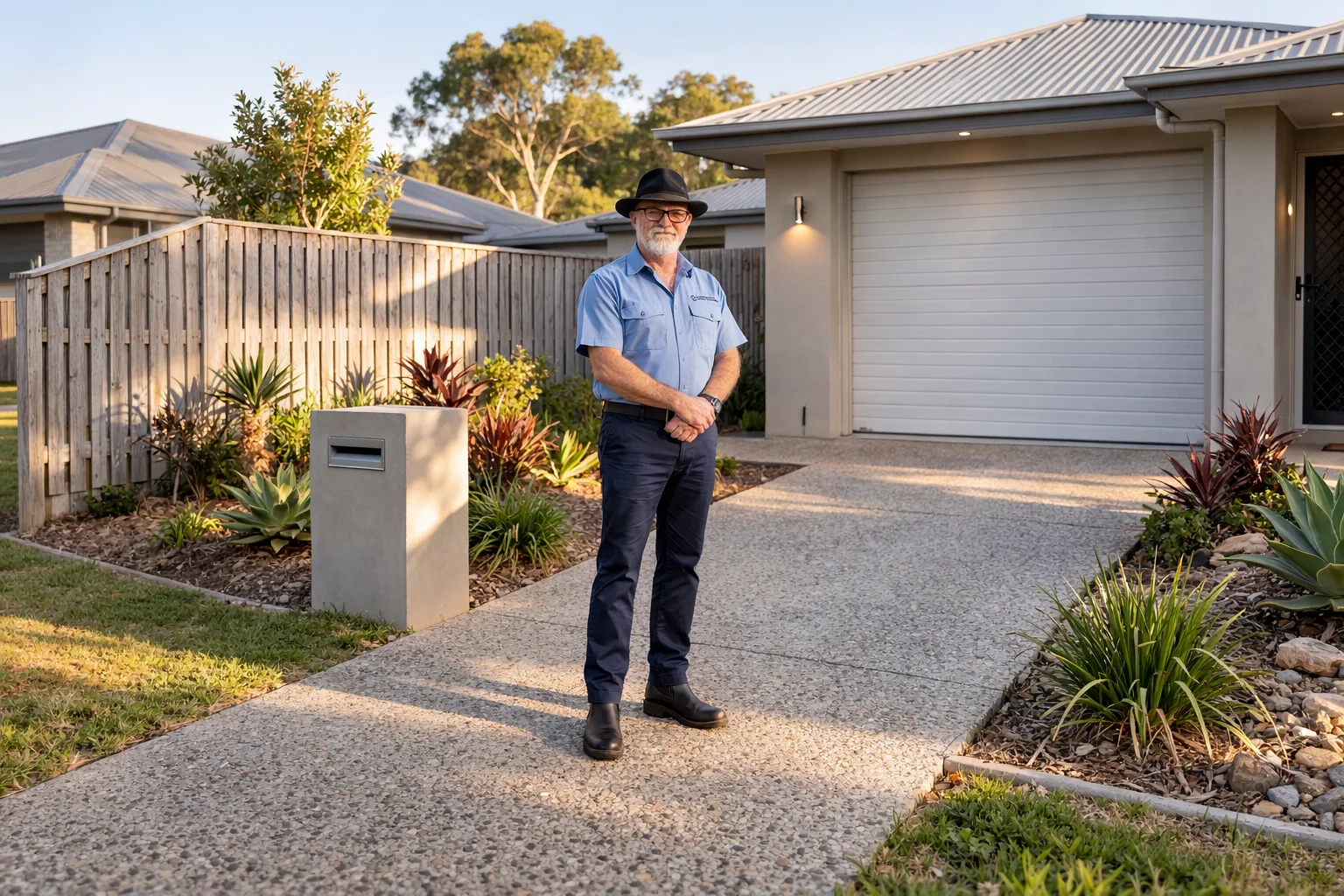
Need a building-only assessment before purchase? Our buyer building inspection covers structure, safety, moisture, and visible defects without the timber pest component.

Our most requested service is the complete building and pest inspection Sydney buyers book before auctions and cooling-off deadlines. You receive a comprehensive structural and timber pest assessment in one detailed report — delivered within 24 hours. This is the most efficient way to protect your purchase.
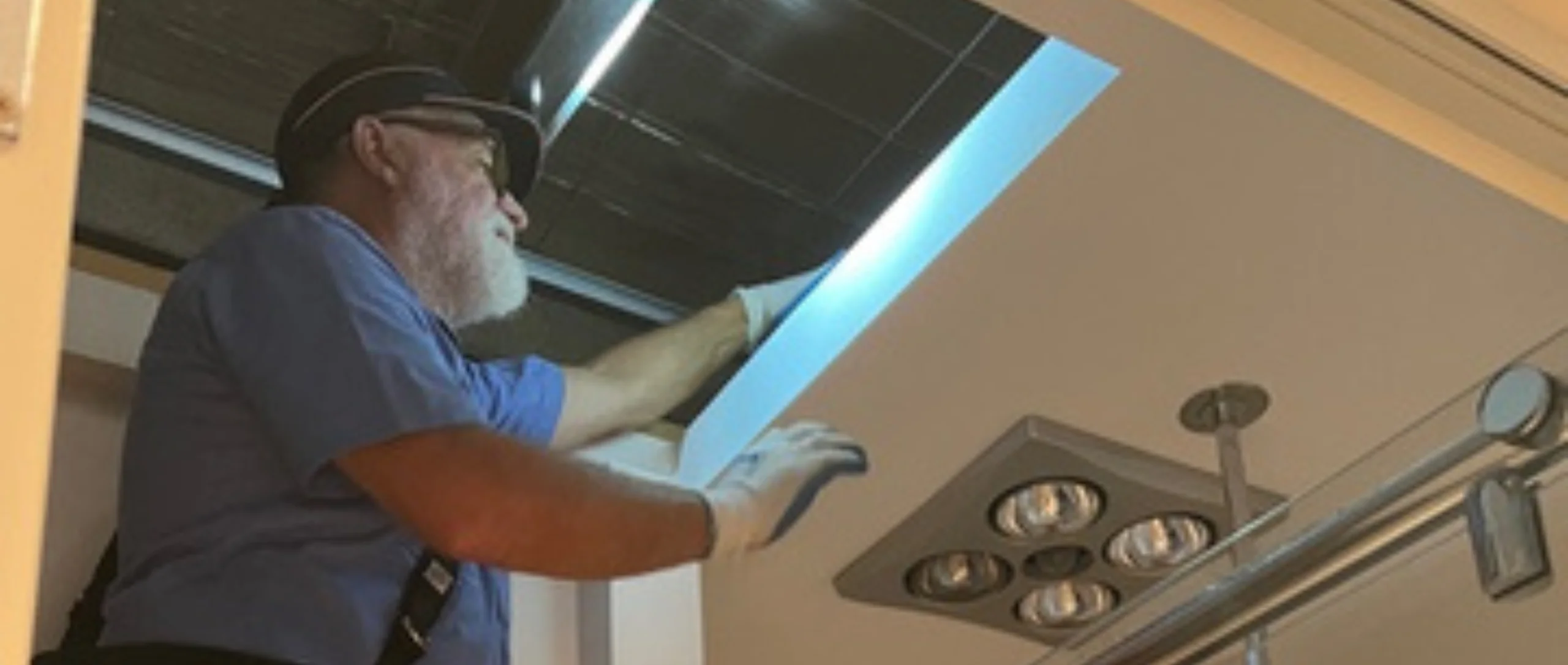
Experiencing defects in your apartment or strata unit, or planning remedial works? We provide independent inspections that document the condition of your unit and visible common property areas. Our reports give you clear evidence to help you engage with your owners corporation, understand potential issues, and protect your investment.