
Contact Barrenjoey Inspections:
EXCELLENTTrustindex verifies that the original source of the review is Google. Marc was efficient and extremely thorough at a time we really needed his professional advice. His communication is outstanding and we highly recommend him.Posted onTrustindex verifies that the original source of the review is Google. Marc provided a very comprehensive building report, and was a pleasure to work with. He was responded to our enquiry immediately and was available at short notice.Posted onTrustindex verifies that the original source of the review is Google. I highly recommend Marc for anyone looking for a building and pest report. He was responsive, thorough in his review of the property, helpful with my queries and easy to do business with.Posted onTrustindex verifies that the original source of the review is Google. Marc is extremely thorough and meticulous. I have used many other Property inspectors in the past and none of them have come anywhere close to the level of detailed reports that Mark provide. He is the gold standard for property inspectors. So pleased I engaged his services on several occasions. I will recommend him to everyone. Dave.Posted onTrustindex verifies that the original source of the review is Google. Marc performed a building and pest inspection for an apartment ahead of a purchase. Quick turnaround for a thorough report that was clear to understandPosted onTrustindex verifies that the original source of the review is Google. Marc was able to accomodate me quickly and was very thorough and knowledgeable. I highly recommend Marc for your next house/pest inspection.Posted onTrustindex verifies that the original source of the review is Google. I was very impressed by the professional and friendly service from Barrenjoey Inspections. Marc is knowledgeable and has great attention to detail. The report is thorough and easy to follow, providing confidence for the most significant purchase, our new home.Verified by TrustindexTrustindex verified badge is the Universal Symbol of Trust. Only the greatest companies can get the verified badge who has a review score above 4.5, based on customer reviews over the past 12 months. Read more
Professional Building Inspection Services Across All Sydney Regions
Selling a property in Sydney is a significant financial event. The last thing you want is a buyer’s building inspection turning up unexpected issues that stall the sale, trigger price renegotiations, or create legal complications after settlement.
A pre-sale building inspection puts you in control of that information before your property goes to market.
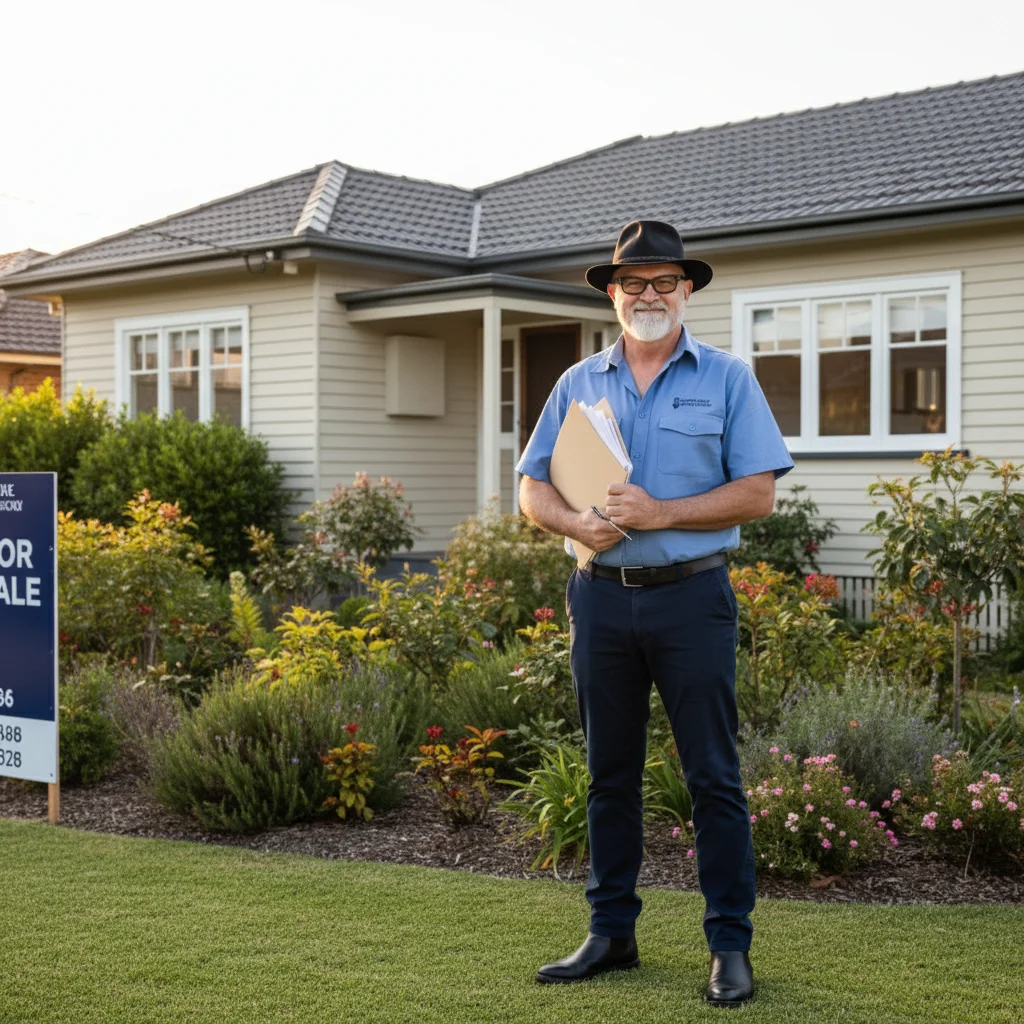
At Barrenjoey Inspections, every pre-sale inspection is conducted personally by Marc Hanley, a licensed builder with over 30 years of hands-on construction experience across Sydney and the Northern Beaches.
Marc understands construction, how defects develop over time, and what buyers and their inspectors look for. Getting that assessment independently, before you list, means you make informed decisions about your property rather than reactive ones under pressure.
✔Licensed builder with 30+ years of construction experience
✔Thorough visual inspections conducted to Australian Standard AS4349
✔Detailed photographic reports delivered within 24 hours
✔100% independent with no conflicts of interest
A pre-sale building inspection is a thorough visual assessment of your property’s condition carried out before you list it for sale.
Rather than waiting for a buyer to commission their own inspection and present you with findings at a critical point in the sale process, you commission the inspection yourself at a time that suits you.
The inspection is conducted to the same Australian Standard AS4349 that governs pre-purchase inspections.
The difference is the timing and the purpose. Instead of a buyer using the findings to decide whether to proceed, you use the findings to make informed decisions about your property before negotiations begin.
On the Northern Beaches and North Shore, where properties regularly transact in the millions, the findings from a buyer’s building inspection can have a significant impact on the final sale price and the smoothness of the settlement process.
A pre-sale inspection reduces that uncertainty on your side of the transaction.
Most sellers assume an inspection is something buyers organise. Increasingly, proactive sellers are using pre-sale inspections as a tool to reduce risk, build buyer confidence, and support a smoother transaction. Here is why it makes practical sense.
Avoid Surprises at the Worst Possible Moment
The worst time to find out about a significant defect is during a buyer’s cooling-off period or after exchange. At that point you have limited options and maximum pressure. A pre-sale inspection gives you that information before you list so you can respond on your own terms.
Address Issues Before They Cost You More
Some defects are straightforward to address before listing and relatively inexpensive to fix. Left undisclosed and discovered by a buyer’s inspector, the same issue can be used to justify a price reduction that far exceeds the cost of rectification. Early knowledge gives you options.
Reduce Buyer Hesitation and Build Confidence
A buyer who has access to an independent pre-sale inspection report from a licensed builder can make a more confident decision. Confident buyers are more likely to proceed, less likely to use findings as leverage, and more likely to meet settlement without complications.
Support a Faster Sale
Properties that present transparently tend to move more efficiently through the sale process. Buyers who know the condition of a property upfront spend less time in due diligence limbo and are more likely to commit within their cooling-off period.
Our Innovative Shared-Cost Model
Barrenjoey Inspections offers an innovative shared-cost approach to pre-sale inspections. Rather than the seller bearing the full cost of the inspection report, the cost can be shared between the vendor and the buyer who ultimately uses the report.
This makes the pre-sale inspection model practical and commercially sensible for sellers who want transparency without carrying the full cost alone. Ask Marc about how this works for your specific situation.
Our pre-sale building inspection is a thorough visual assessment of all safely accessible areas of your property.
All inspections are conducted in line with Australian Standard AS4349. Areas that cannot be safely or reasonably accessed at the time of inspection are clearly noted in the report.
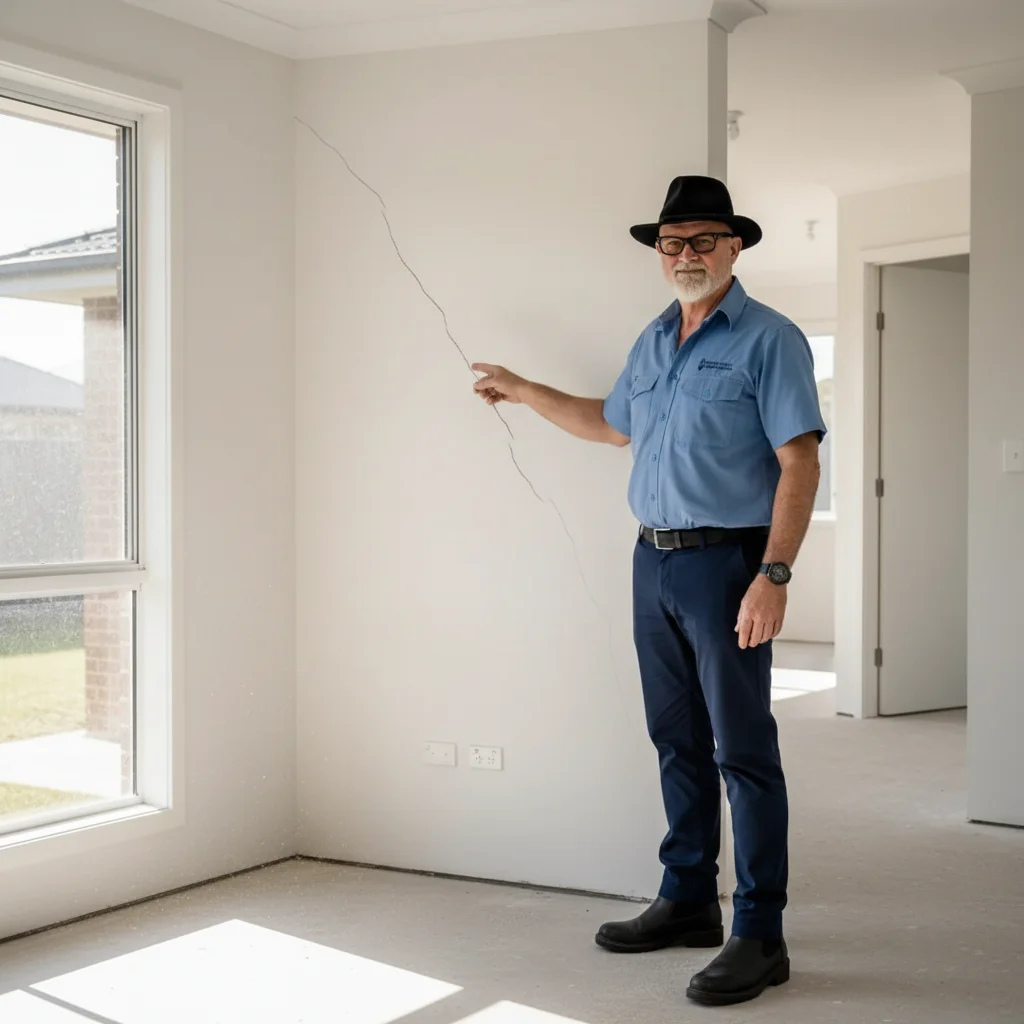
We keep the process simple and straightforward from first contact to report delivery. Here is what to expect.
Step 1 — Book Your Inspection Contact us by phone or through the online quote form. We will confirm the property address, inspection type, and your preferred date. We liaise directly with the real estate agent to arrange access so you do not have to.
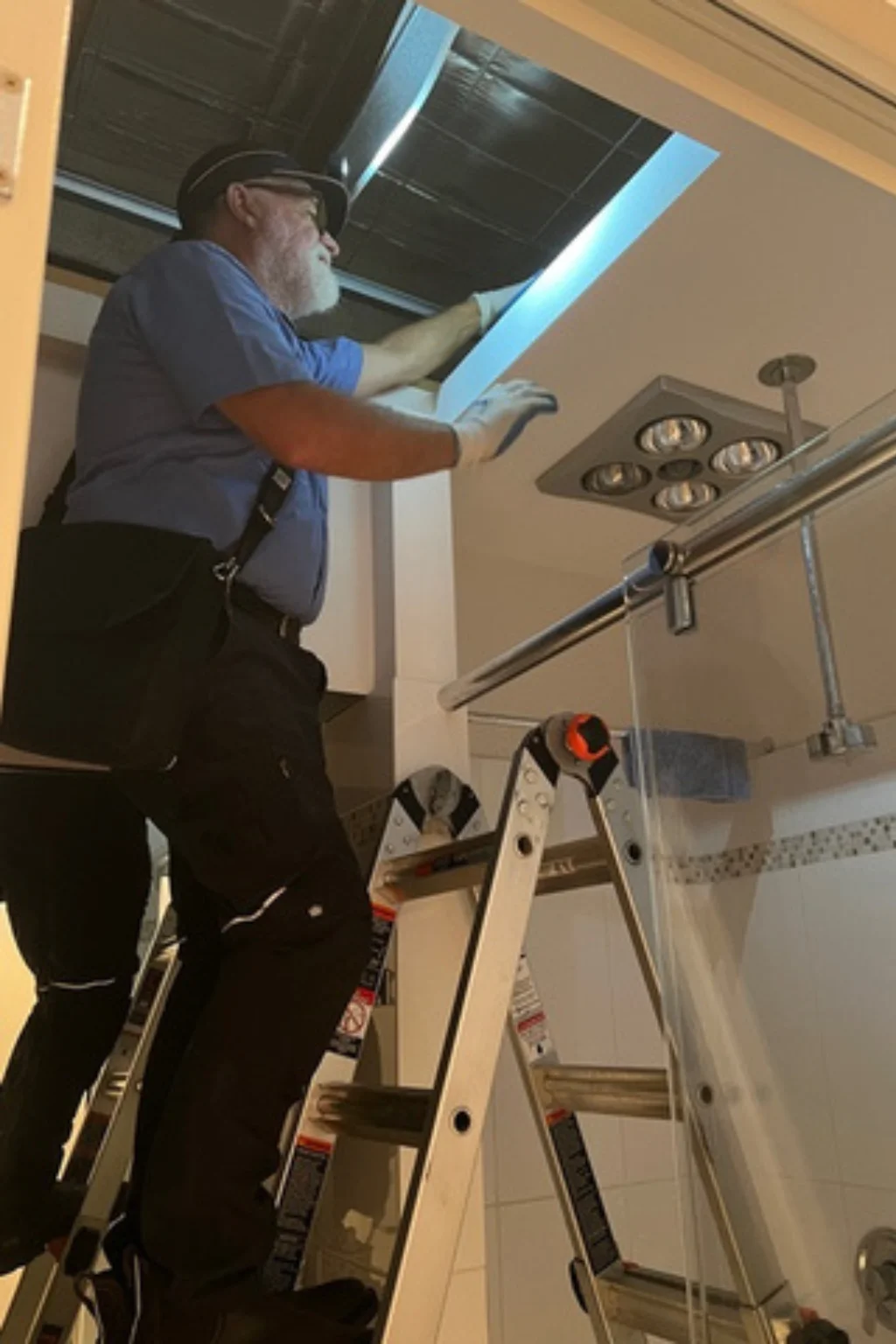
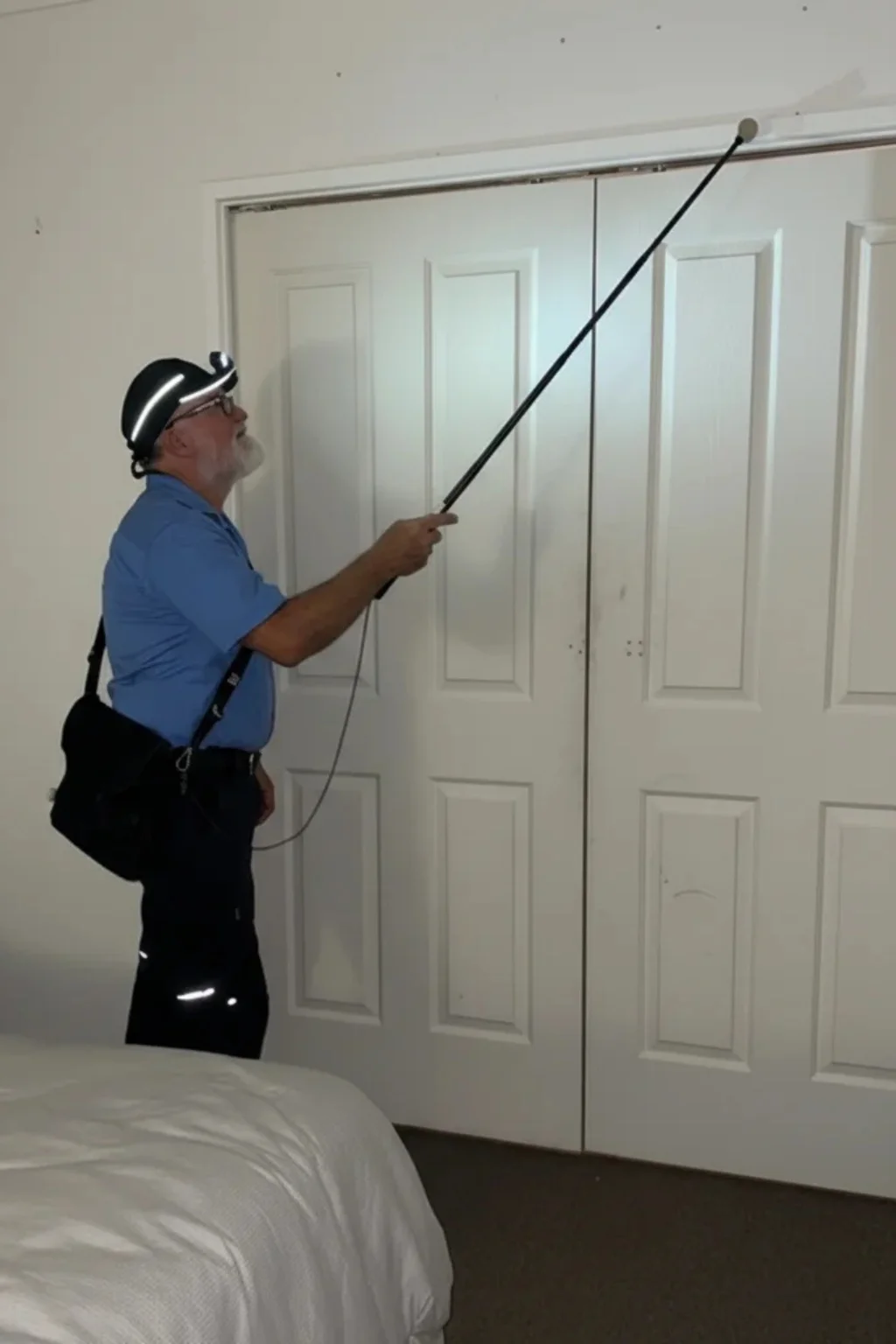
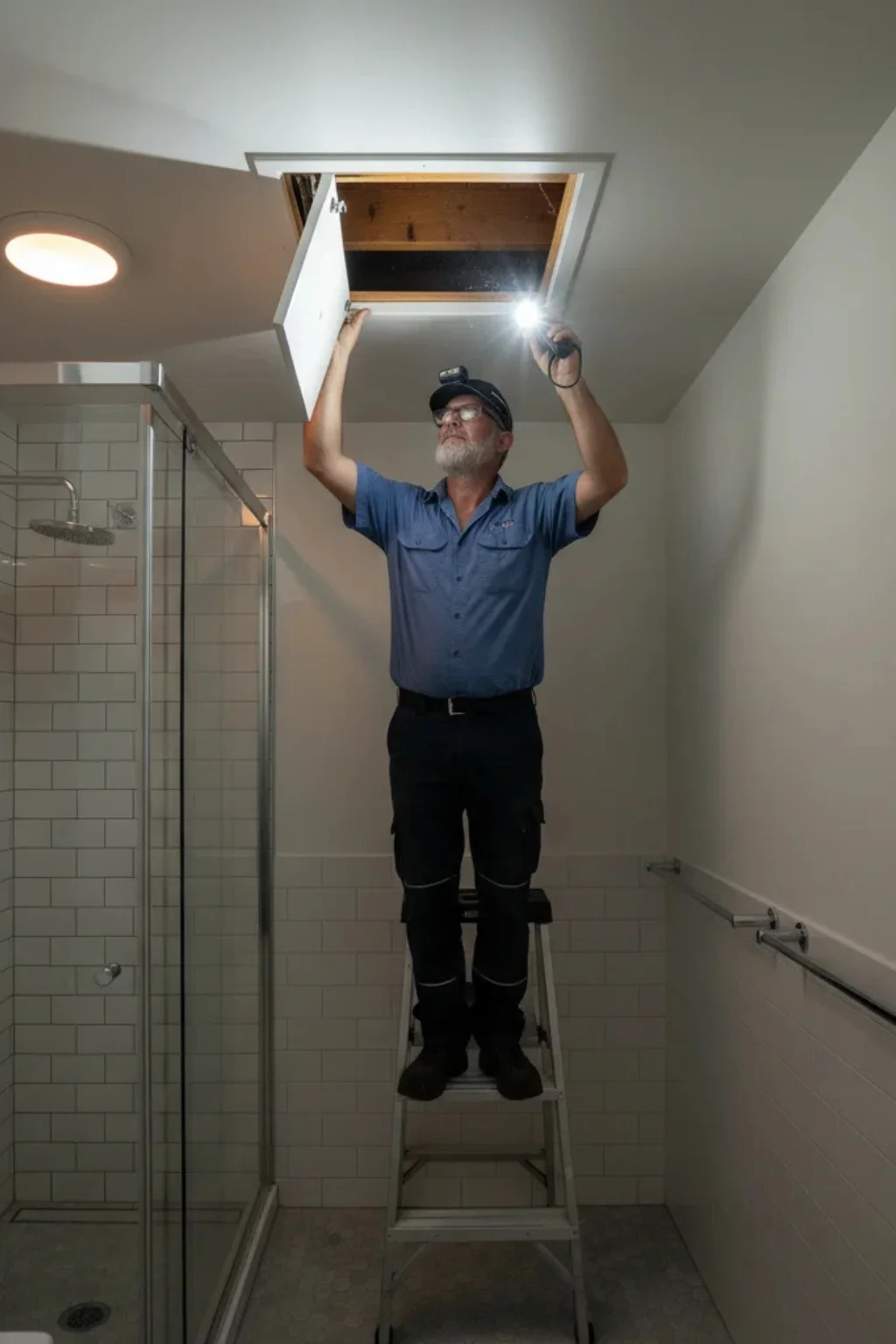
Step 2 — On-Site Inspection Marc arrives at the property and carries out a thorough visual inspection of all safely accessible areas. Most inspections take between one and three hours depending on the property size and age.
Step 3 — Report Delivered Within 24 Hours Your detailed photographic report is delivered to your inbox within 24 hours of the inspection. The report documents all findings clearly with photographs, plain English descriptions, and a clear indication of the severity of each issue.
Step 4 — Follow-Up Phone Call Marc is available for a follow-up call to walk you through the key findings, answer your questions, and help you understand what the report means for your decision.
Understanding the scope of the inspection helps you plan any additional assessments you may want to include before listing.
A pre-sale building inspection does not cover:
If you want the most complete picture before listing, we recommend a combined building and timber pest inspection.
This mirrors exactly what a thorough buyer’s inspector would assess and gives you the fullest possible understanding of your property’s condition going into the market.
Your report is clear, detailed, and written in plain English. It is designed to be useful to you as the vendor and readable by potential buyers if you choose to make it available as part of your sale process.
Each report includes:
The report is delivered as a digital document. It is compliant with Australian Standard AS4349 and can be shared with your real estate agent, solicitor, or provided to prospective buyers as part of your property disclosure.
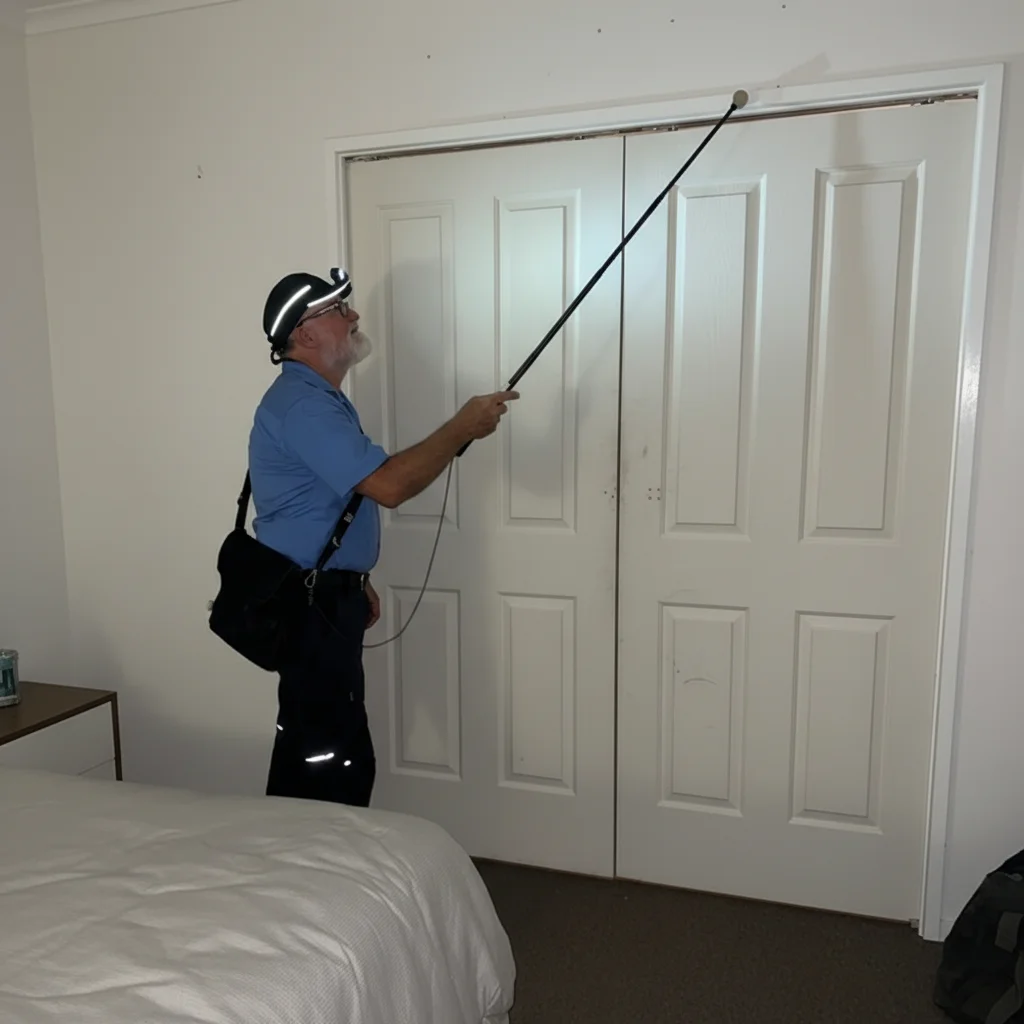
The value of a pre-sale inspection depends entirely on the quality of the inspector conducting it.
You need someone who will find what a buyer’s inspector will find, explain it accurately, and help you understand the practical implications. That requires genuine construction knowledge.
Marc Hanley is a licensed builder, not just a registered inspector. Here is what that means for your pre-sale inspection:
When you book a pre-sale inspection with Barrenjoey Inspections, you get an honest assessment from someone with over 30 years of construction experience across Sydney.
That is the same standard a well-qualified buyer’s inspector will bring. Getting there first puts you in a stronger position.
After conducting inspections across the Northern Beaches and North Shore, these are the issues we most frequently identify in pre-sale inspections.
Knowing about them before a buyer’s inspector does gives sellers options.
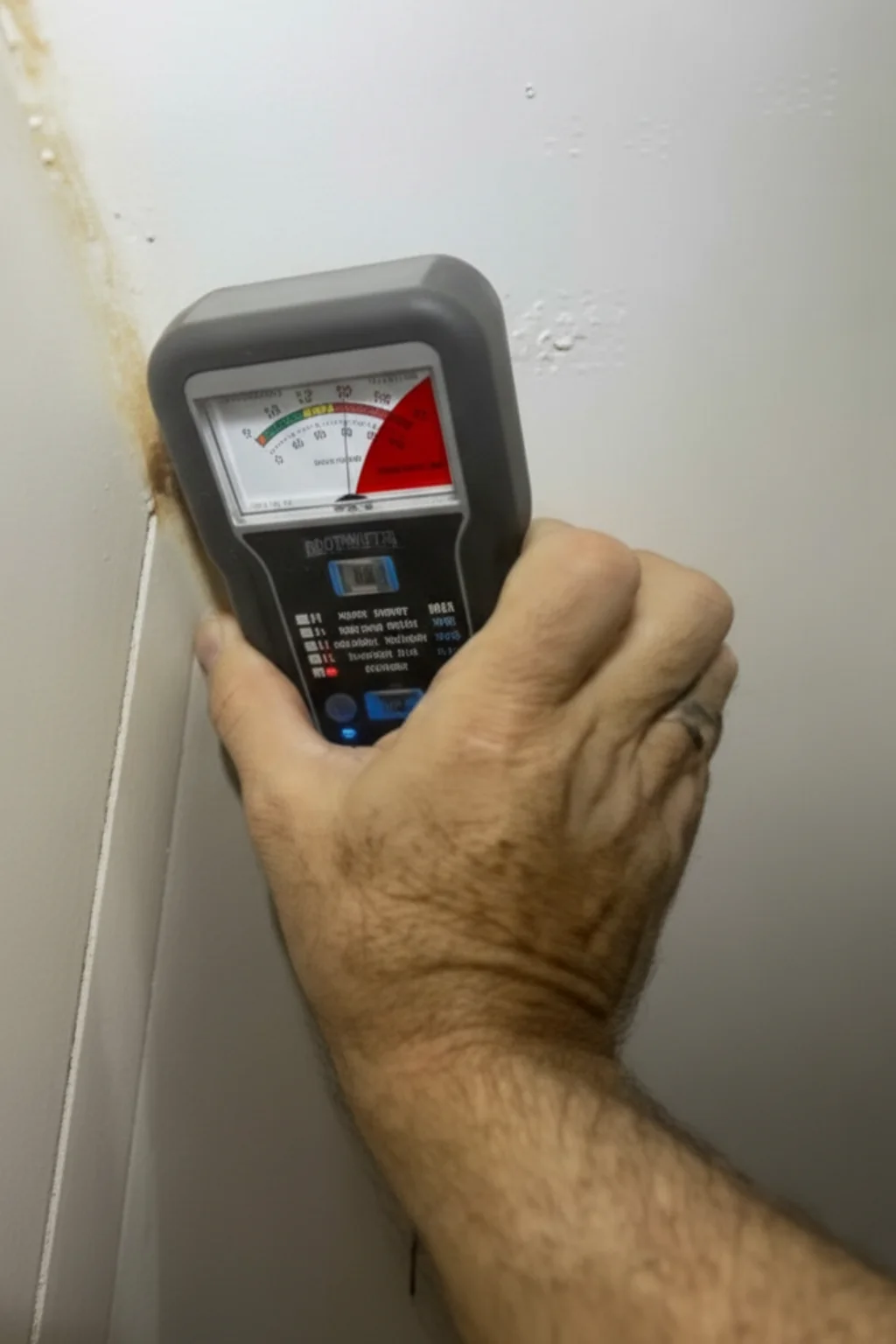
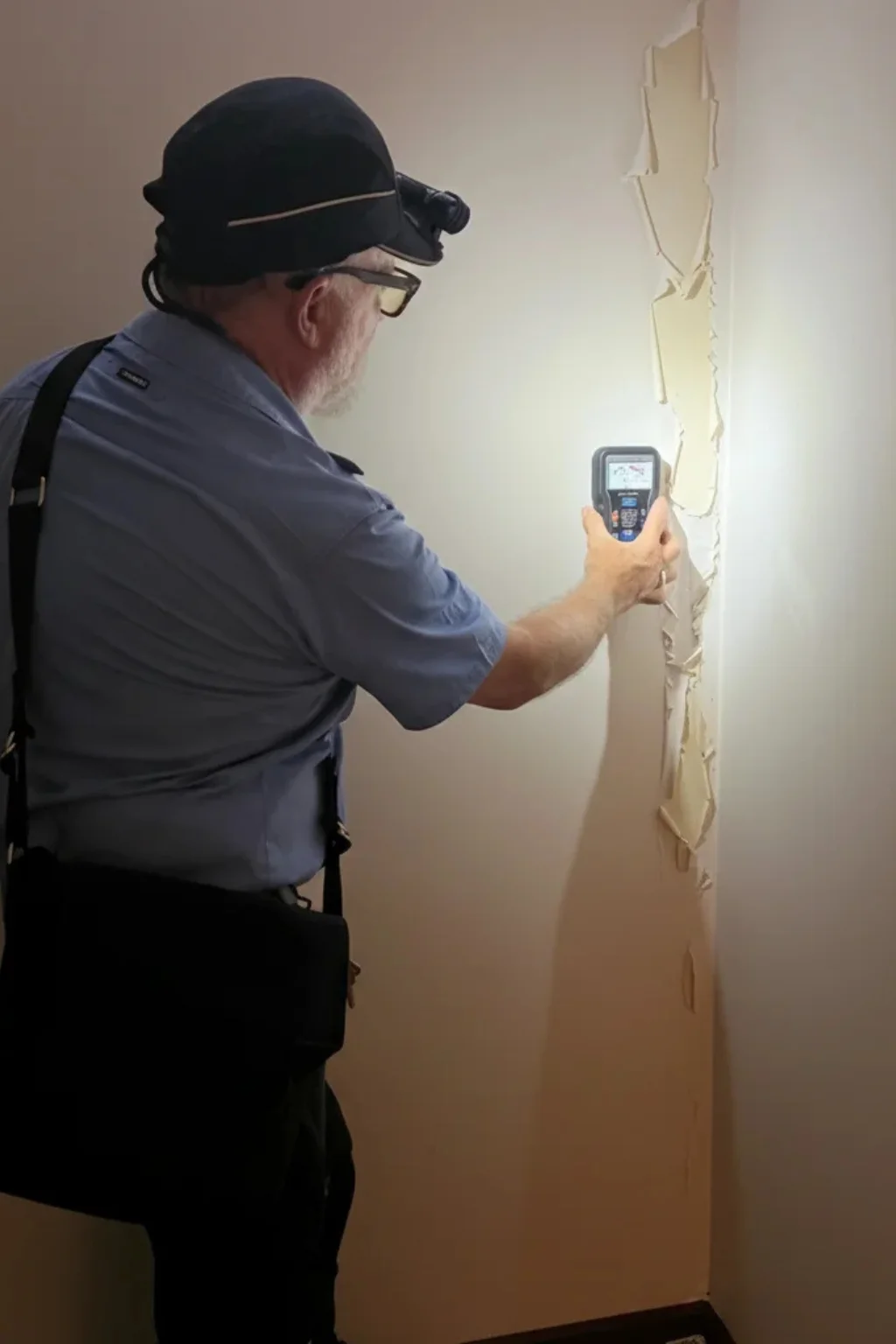
Shower and Wet Area Waterproofing Failed shower waterproofing is one of the most commonly identified defects in Sydney properties.
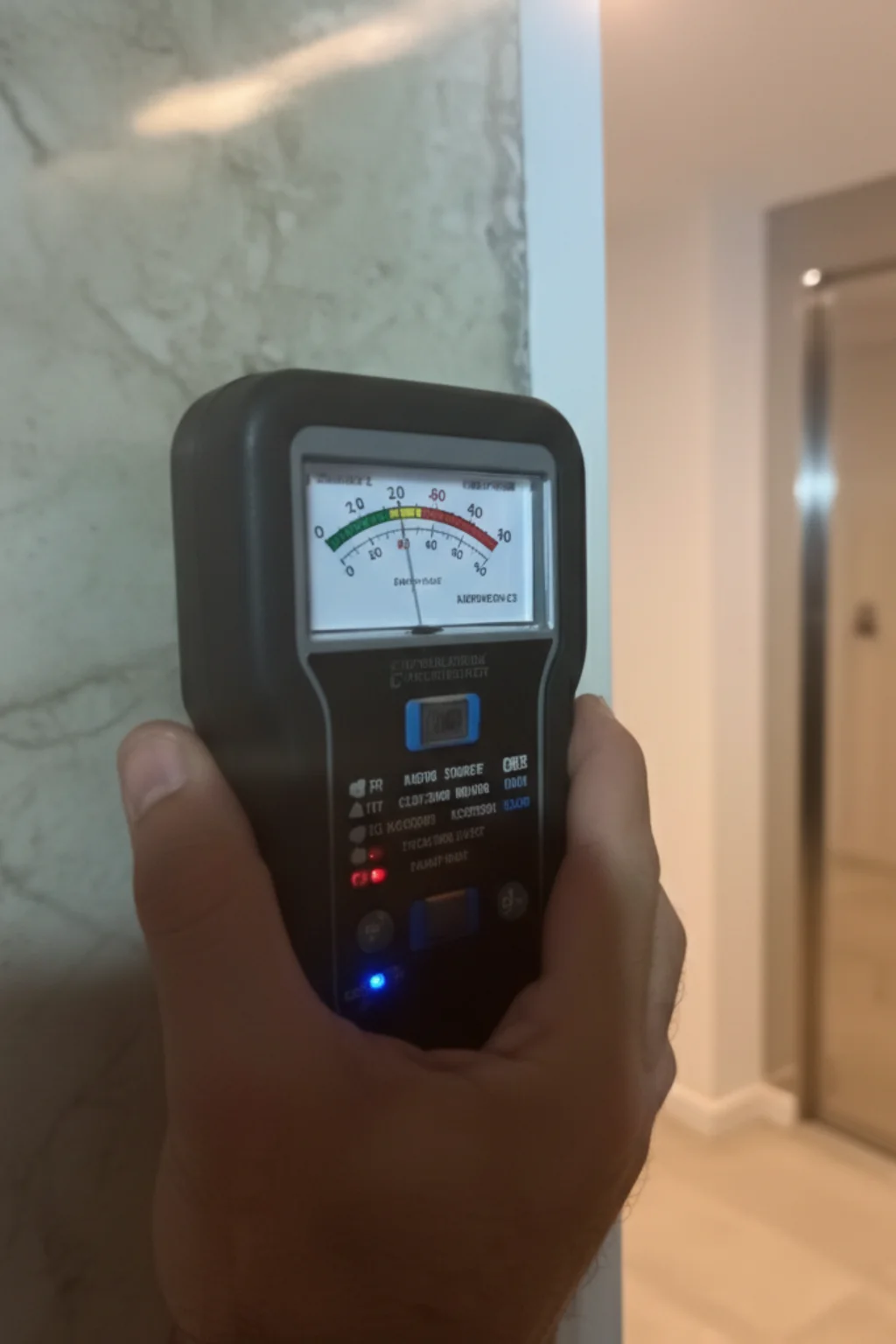
It frequently shows no visible sign on the tile surface but is detected with moisture meters. Buyers inspectors identify this routinely.
Addressing it before listing or pricing with it in mind avoids a reactive negotiation during cooling-off.
Roof Condition and Guttering Older terracotta and fibrous cement roofing on Northern Beaches properties shows wear accelerated by coastal conditions.
Cracked tiles, failed pointing, and corroded ridging are regularly identified.
Guttering corrosion and disconnected downpipes are also common findings that appear in buyer inspection reports.
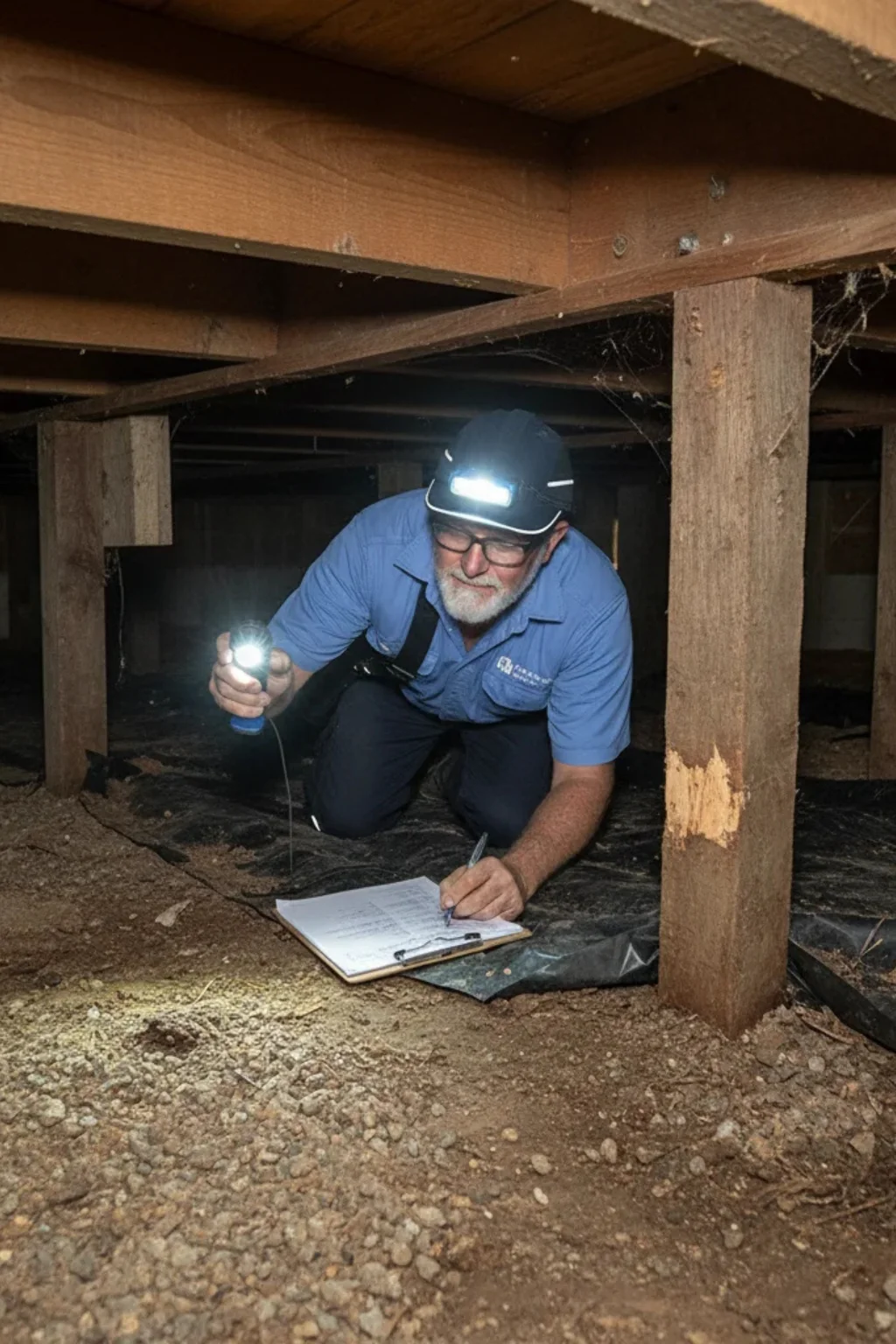
Rising Damp and Subfloor Moisture Moisture in subfloor areas and lower walls is common in older Sydney properties, particularly in coastal areas.
Left unaddressed it is a consistent point of negotiation in buyer inspections.
Identifying and addressing ventilation or drainage issues before listing reduces its impact on the sale.
Structural Cracking Diagonal cracking in walls and ceilings is common in Sydney properties built on sandy soils.
The distinction between cosmetic movement cracking and active structural cracking matters significantly in how a buyer’s inspector will present findings.
Understanding which category your property’s cracking falls into before listing allows you to manage the narrative accurately.
Timber Decay in External Elements Timber decay in fascia boards, window frames, external cladding, and pergola structures is frequently identified in coastal properties due to ongoing moisture exposure.
These are visible defects that buyers notice and inspectors document. Addressing them before listing is often straightforward and cost-effective.
Subfloor Structural Elements Deteriorating subfloor stumps, inadequate cross-ventilation, and moisture accumulation in subfloor areas are common in older Northern Beaches properties.
These are consistently raised in buyer inspection reports and frequently used as negotiation points.
Safety Hazards Inadequate balustrade heights, unsafe stair construction, and other visible safety concerns are documented in buyer inspection reports and can create liability concerns for sellers.
Identifying and addressing these before listing is straightforward and important.
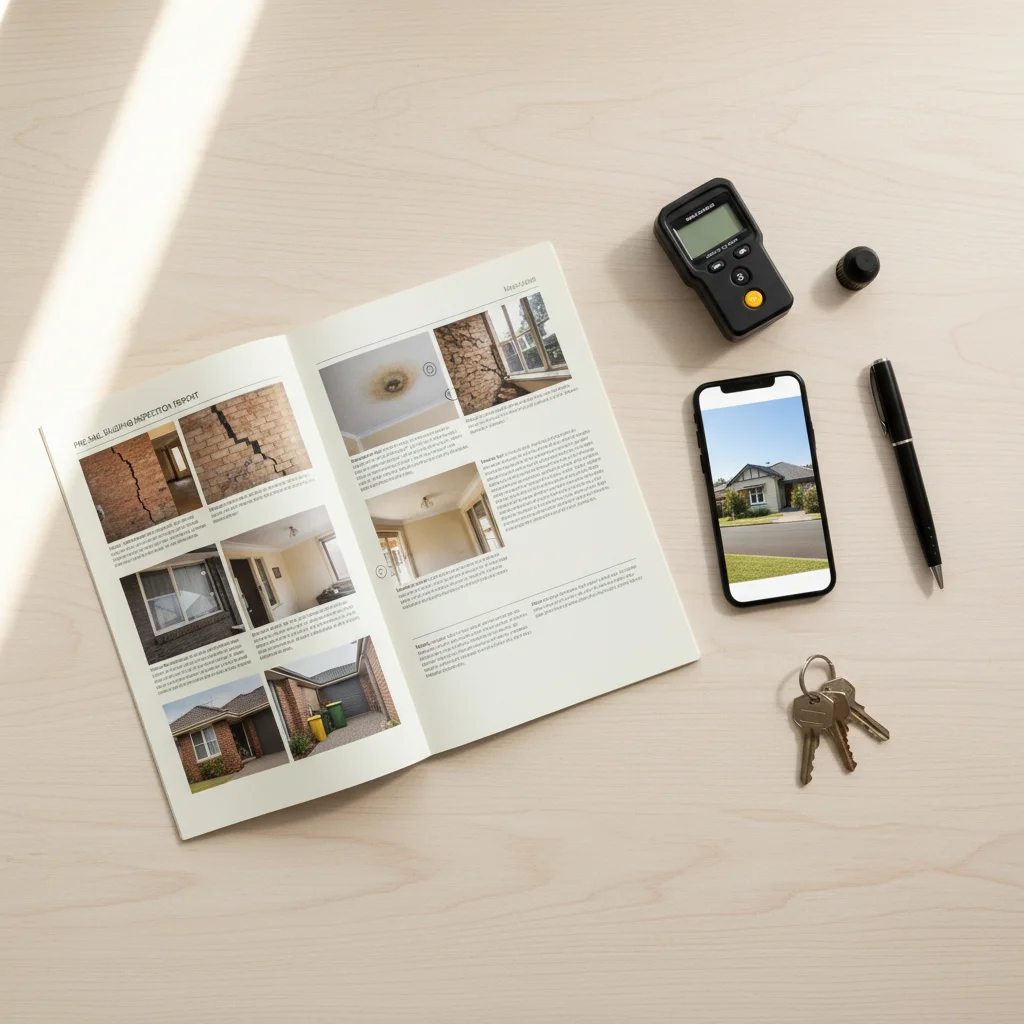
We carry out pre-sale building inspections across Sydney with a primary focus on the Northern Beaches and North Shore.
Our local knowledge of the property market, building stock, and common defect patterns in this area is a genuine advantage for sellers preparing to list.
Northern Beaches
North Shore
Not sure if we cover your suburb? Call Marc directly for a quick answer.

EXCELLENTTrustindex verifies that the original source of the review is Google. Marc was efficient and extremely thorough at a time we really needed his professional advice. His communication is outstanding and we highly recommend him.Posted onTrustindex verifies that the original source of the review is Google. Marc provided a very comprehensive building report, and was a pleasure to work with. He was responded to our enquiry immediately and was available at short notice.Posted onTrustindex verifies that the original source of the review is Google. I highly recommend Marc for anyone looking for a building and pest report. He was responsive, thorough in his review of the property, helpful with my queries and easy to do business with.Posted onTrustindex verifies that the original source of the review is Google. Marc is extremely thorough and meticulous. I have used many other Property inspectors in the past and none of them have come anywhere close to the level of detailed reports that Mark provide. He is the gold standard for property inspectors. So pleased I engaged his services on several occasions. I will recommend him to everyone. Dave.Posted onTrustindex verifies that the original source of the review is Google. Marc performed a building and pest inspection for an apartment ahead of a purchase. Quick turnaround for a thorough report that was clear to understandPosted onTrustindex verifies that the original source of the review is Google. Marc was able to accomodate me quickly and was very thorough and knowledgeable. I highly recommend Marc for your next house/pest inspection.Posted onTrustindex verifies that the original source of the review is Google. I was very impressed by the professional and friendly service from Barrenjoey Inspections. Marc is knowledgeable and has great attention to detail. The report is thorough and easy to follow, providing confidence for the most significant purchase, our new home.Verified by TrustindexTrustindex verified badge is the Universal Symbol of Trust. Only the greatest companies can get the verified badge who has a review score above 4.5, based on customer reviews over the past 12 months. Read more
A pre-sale inspection gives you accurate information about your property’s condition before buyers do.
This allows you to address issues before they become negotiation points, price your property with full knowledge of its condition, and provide prospective buyers with transparent findings that build confidence and support a smoother sale process.
Our pre-sale inspection covers all safely accessible areas of the property including structural elements, roof void and subfloor where accessible, internal and external walls, ceilings, floors, wet areas, windows, doors, outbuildings, and visible safety hazards.
All findings are documented with photographs in a clear written report compliant with Australian Standard AS4349.
Most inspections take between one and two hours for a standard house. Larger properties, older buildings, and properties with more accessible subfloor and roof void areas generally take longer to inspect thoroughly.
Your detailed photographic report is delivered within 24 hours of the inspection. A follow-up call with Marc is available to discuss the findings and their practical implications for your listing preparation.
Yes. Many vendors choose to make the pre-sale inspection report available to prospective buyers as part of their property disclosure.
This demonstrates transparency, reduces buyer uncertainty, and can support more confident bidding at auction or faster decision-making during the cooling-off period. Discuss this approach with your real estate agent and solicitor.
Barrenjoey Inspections offers an innovative shared-cost model for pre-sale inspections where the cost of the inspection report is shared between the vendor and the buyer who ultimately uses the report.
This makes commissioning a pre-sale inspection more commercially practical for sellers. Contact Marc directly to discuss how this works for your property and situation.
That depends on the nature and severity of the defects identified. Some issues are straightforward and cost-effective to address before listing and may have a meaningful impact on buyer confidence and final sale price.
Others may be better disclosed and priced accordingly. Marc can advise on which findings are worth addressing and which are standard for a property of that age and type.
A standalone pre-sale building inspection covers structural defects and visible building condition. It does not include a timber pest inspection.
For Northern Beaches properties we recommend a combined building and timber pest inspection before listing. This mirrors exactly what a thorough buyer’s inspector would assess and gives you the fullest picture before going to market.
Most buyers will commission their own independent building inspection regardless of whether a vendor inspection report is available.
However, a vendor report that is prepared by a licensed builder to AS4349 standard provides a credible independent reference that buyers and their inspectors can work from.
It does not replace the buyer’s right to inspect but it does establish a transparent baseline.
We recommend booking your pre-sale inspection four to six weeks before your planned listing date.
This gives you time to review the findings, address any issues you choose to rectify, and incorporate the inspection outcome into your listing preparation and pricing strategy
