
Contact Barrenjoey Inspections:
EXCELLENTTrustindex verifies that the original source of the review is Google. Marc was efficient and extremely thorough at a time we really needed his professional advice. His communication is outstanding and we highly recommend him.Posted onTrustindex verifies that the original source of the review is Google. Marc provided a very comprehensive building report, and was a pleasure to work with. He was responded to our enquiry immediately and was available at short notice.Posted onTrustindex verifies that the original source of the review is Google. I highly recommend Marc for anyone looking for a building and pest report. He was responsive, thorough in his review of the property, helpful with my queries and easy to do business with.Posted onTrustindex verifies that the original source of the review is Google. Marc is extremely thorough and meticulous. I have used many other Property inspectors in the past and none of them have come anywhere close to the level of detailed reports that Mark provide. He is the gold standard for property inspectors. So pleased I engaged his services on several occasions. I will recommend him to everyone. Dave.Posted onTrustindex verifies that the original source of the review is Google. Marc performed a building and pest inspection for an apartment ahead of a purchase. Quick turnaround for a thorough report that was clear to understandPosted onTrustindex verifies that the original source of the review is Google. Marc was able to accomodate me quickly and was very thorough and knowledgeable. I highly recommend Marc for your next house/pest inspection.Posted onTrustindex verifies that the original source of the review is Google. I was very impressed by the professional and friendly service from Barrenjoey Inspections. Marc is knowledgeable and has great attention to detail. The report is thorough and easy to follow, providing confidence for the most significant purchase, our new home.Verified by TrustindexTrustindex verified badge is the Universal Symbol of Trust. Only the greatest companies can get the verified badge who has a review score above 4.5, based on customer reviews over the past 12 months. Read more
Professional Building Inspection Services Across All Sydney Regions
Construction and development activity near your property can cause damage you did not create and may struggle to prove without the right documentation.
A pre-construction dilapidation inspection gives you a detailed, timestamped photographic and written record of your property’s condition before any work begins. If damage occurs during construction, you have clear evidence of what existed before and what did not.
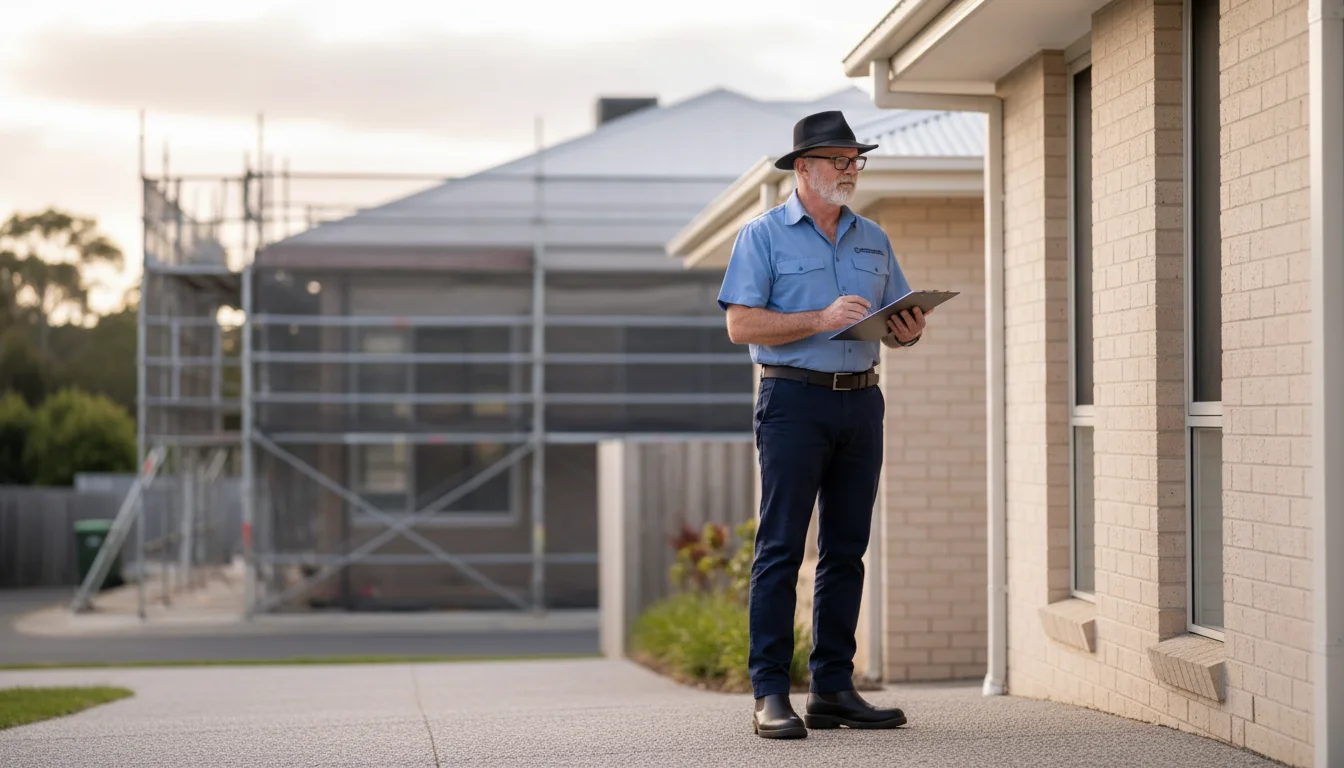
At Barrenjoey Inspections, every pre-construction and dilapidation inspection is conducted personally by Marc Hanley, a licensed builder with over 30 years of hands-on construction experience across Sydney and the Northern Beaches.
Marc understands construction processes, how neighbouring works cause damage, and what to document to give property owners the strongest possible position if a dispute arises.
That knowledge comes from decades working in construction, not a short inspection course.
✔Licensed builder with 30+ years of construction experience
✔Thorough visual inspections conducted to Australian Standard AS4349
✔Detailed photographic reports delivered within 24 hours
✔100% independent with no conflicts of interest
A dilapidation inspection is a thorough visual assessment of a property’s condition that is carried out before construction or development activity begins nearby.
The inspection documents the existing state of the property in detail, creating a clear photographic and written record that can be referred to if damage or deterioration is identified after construction commences.
On the Northern Beaches and across Sydney, construction activity is constant. Knockdown rebuilds, dual occupancy developments, infrastructure works, and large-scale renovations on neighbouring properties are all common.
Excavation, vibration, altered drainage, and heavy vehicle access can all affect surrounding properties in ways that are difficult to prove without pre-existing documentation.
A dilapidation report is that documentation. It protects property owners by establishing a clear baseline. It also protects builders and developers by demonstrating the pre-existing condition of neighbouring properties, reducing exposure to disputed claims.
A pre-construction dilapidation inspection is relevant for a range of situations. If any of the following apply to your property or project, a dilapidation report is worth considering.
If construction, excavation, or significant development is planned on a neighbouring property, a dilapidation inspection of your own property gives you an independent record of its condition before work begins.
This is the most effective protection available if you need to make a claim for damage caused by neighbouring construction.
If you are a builder or developer commencing work that may affect neighbouring properties, commissioning a dilapidation inspection of surrounding properties before you begin protects you from unsubstantiated damage claims after the fact.
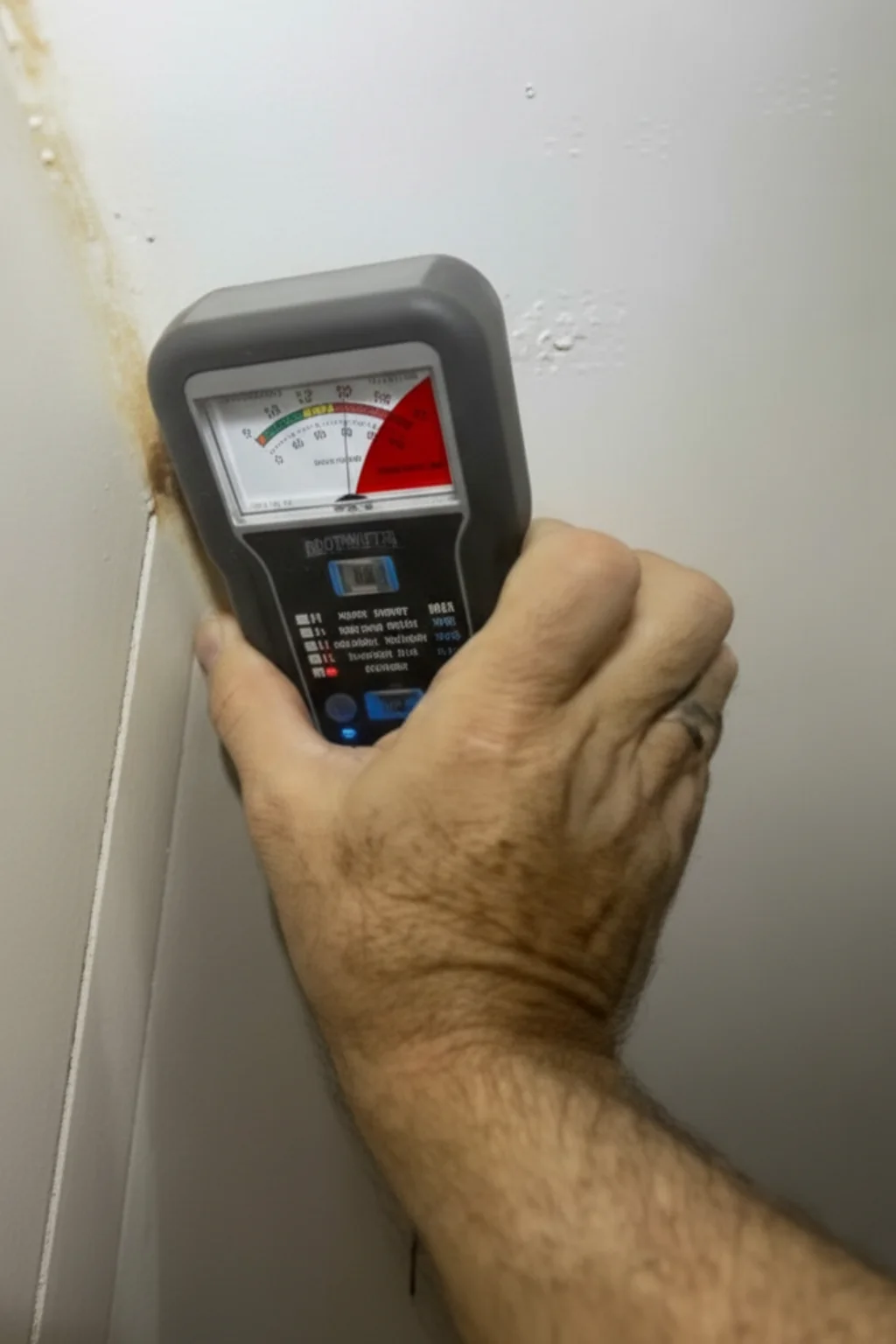
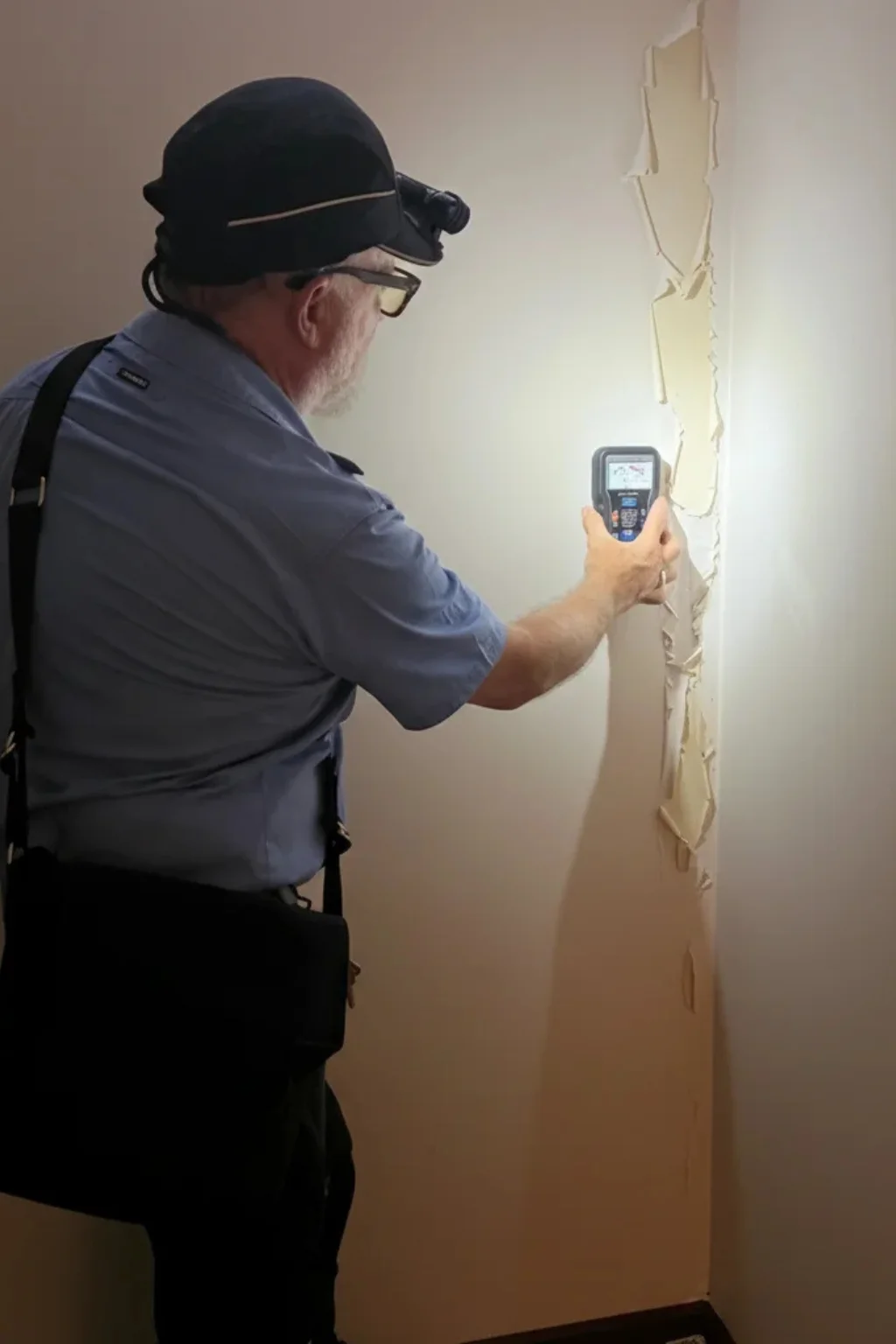
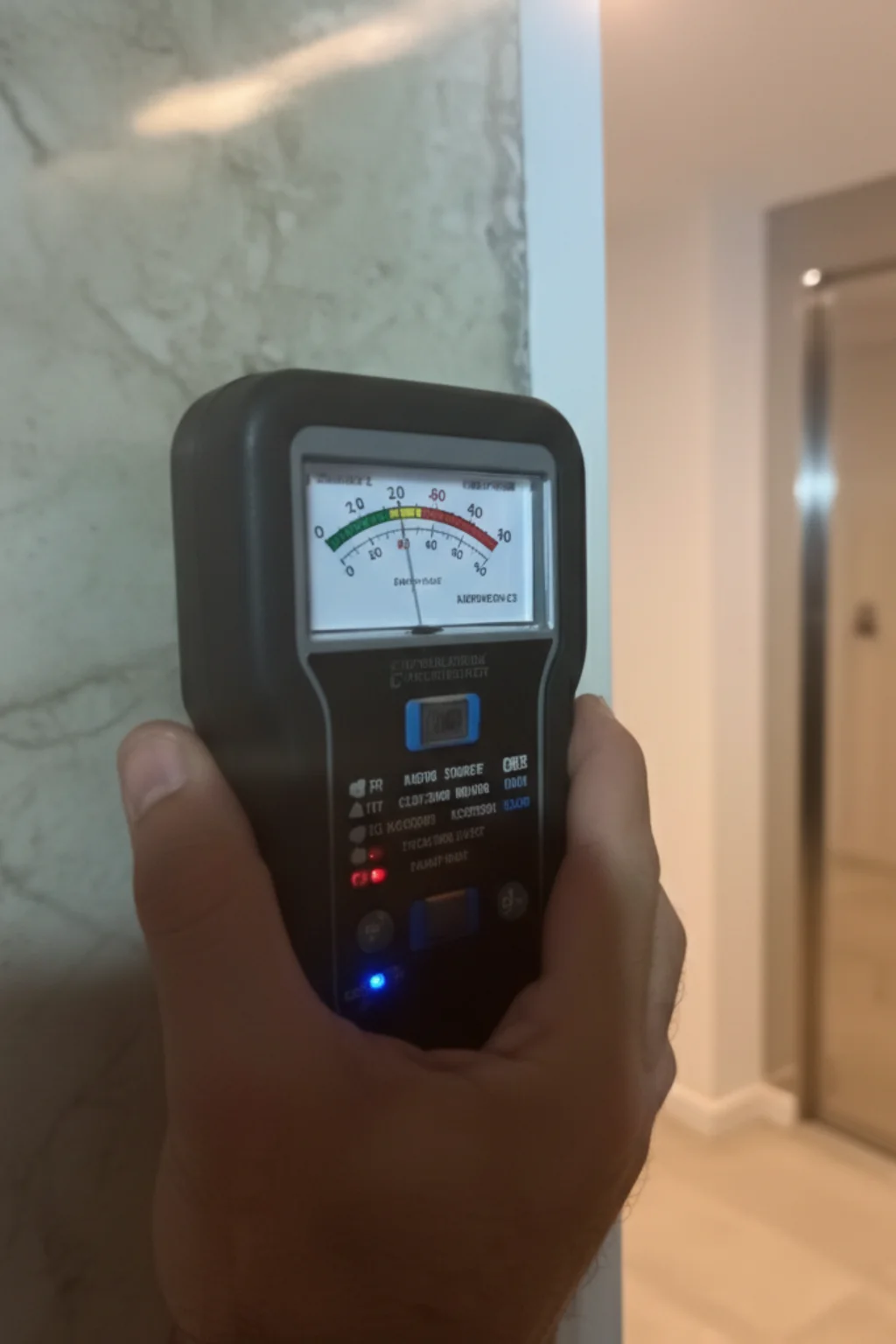
Our pre-construction dilapidation inspection is a thorough visual assessment of all accessible areas of the property. We document the existing condition of every significant element so the record is as complete and useful as possible.
We assess and document the visible condition of:
Inside the property we document the condition of:
We pay particular attention to elements that are most commonly affected by construction activity:
All areas are photographed extensively. Existing cracks, defects, and conditions are documented in detail so there is no ambiguity about what existed before construction commenced. The report is compliant with Australian Standard AS4349.
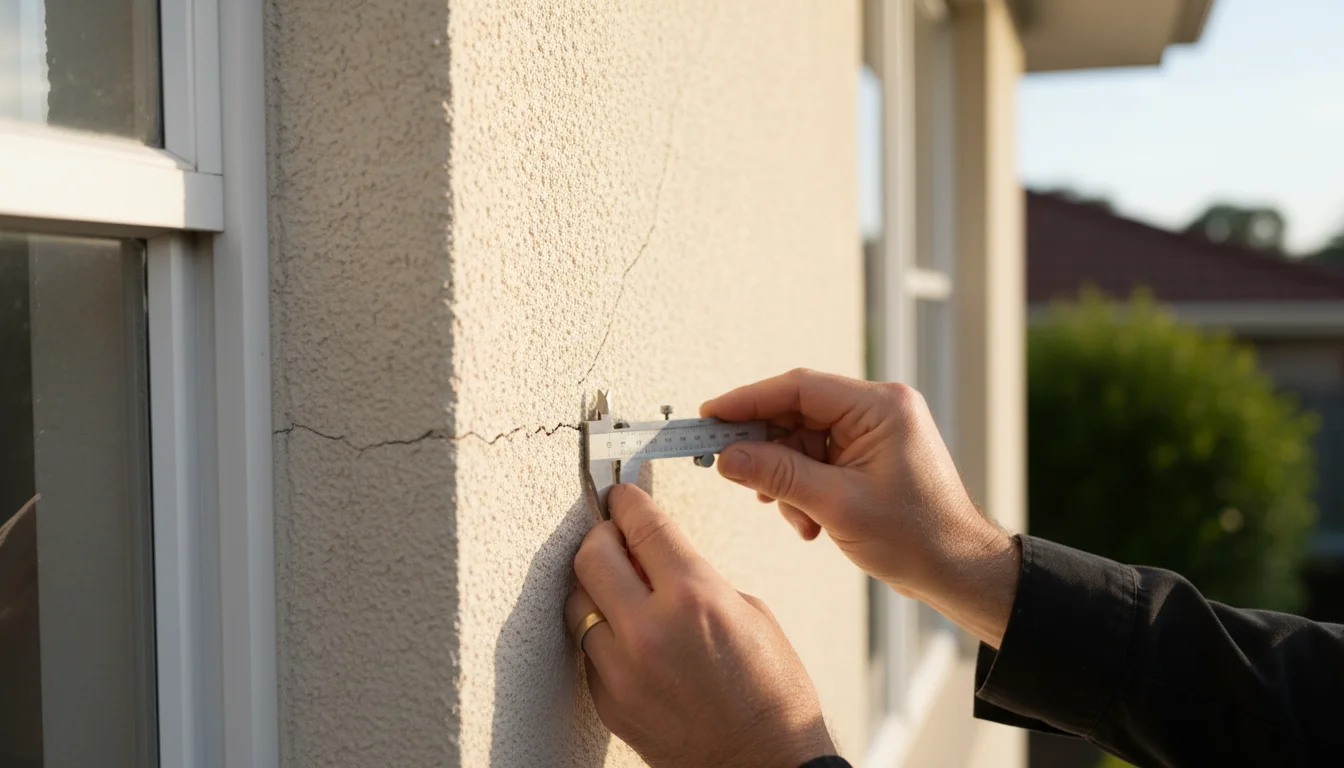
We keep the process simple and straightforward from first contact to report delivery. Here is what to expect.
Step 1 — Book Your Inspection Contact us by phone or through the online quote form. We will confirm the property address, inspection type, and your preferred date. We liaise directly with the real estate agent to arrange access so you do not have to.
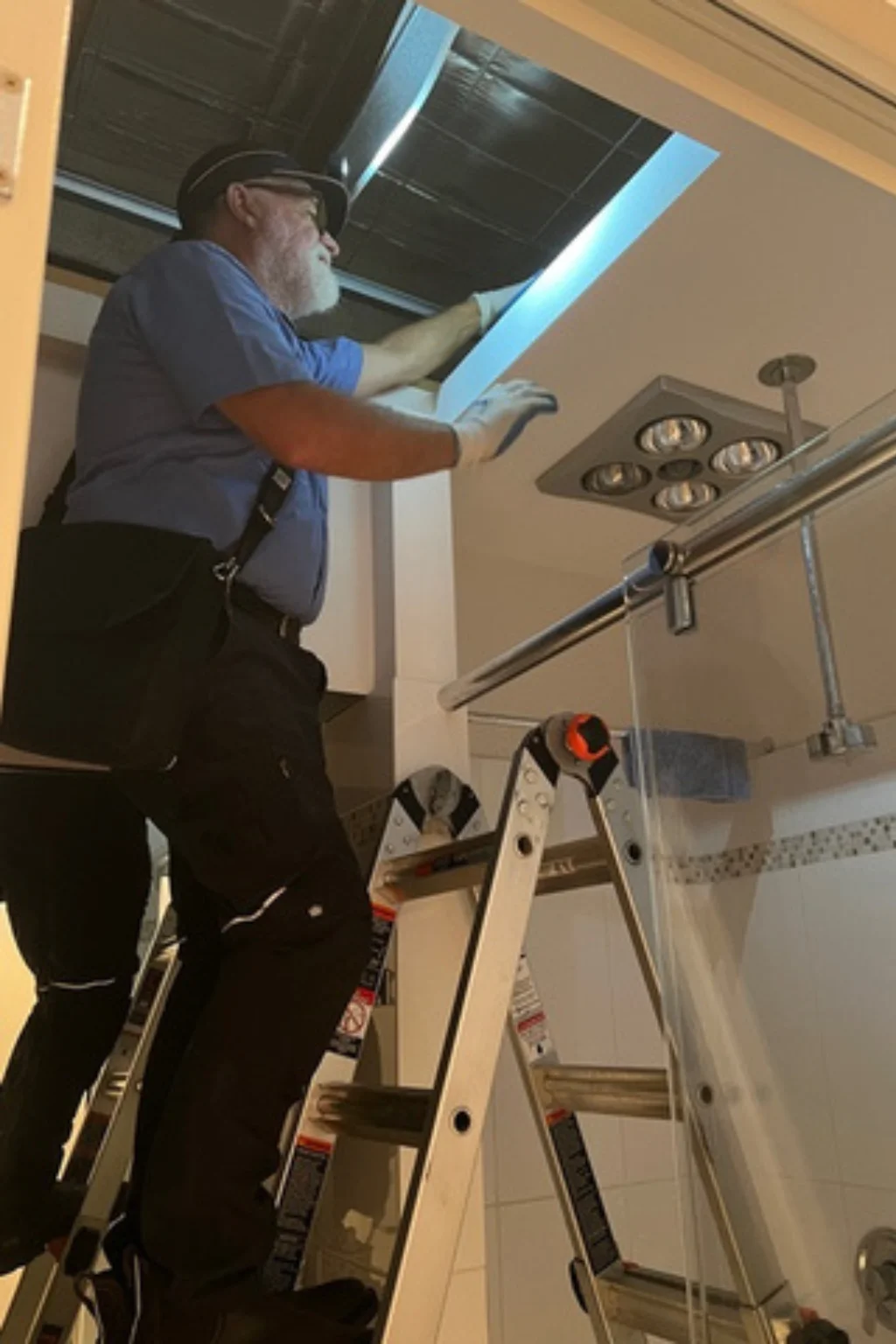
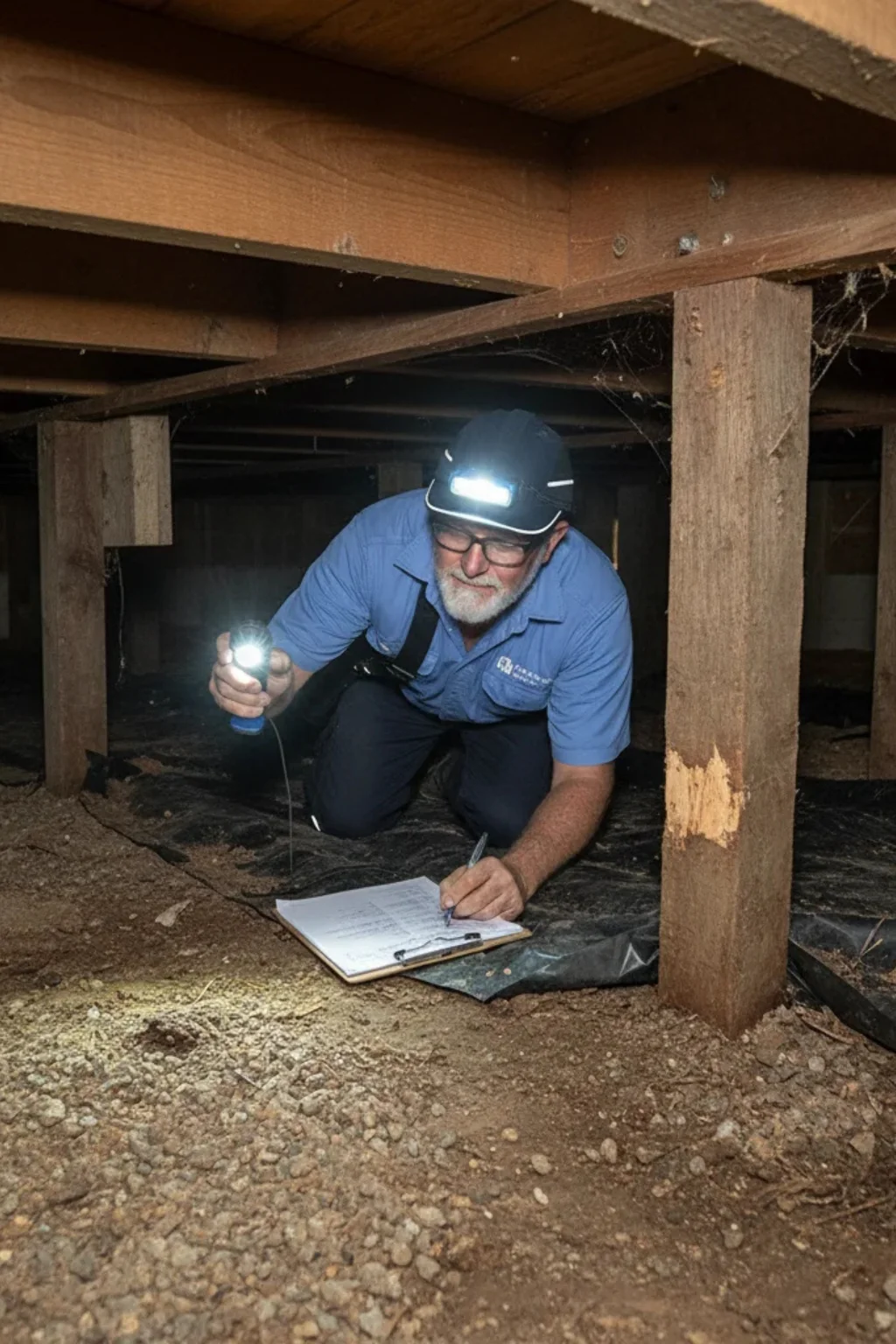
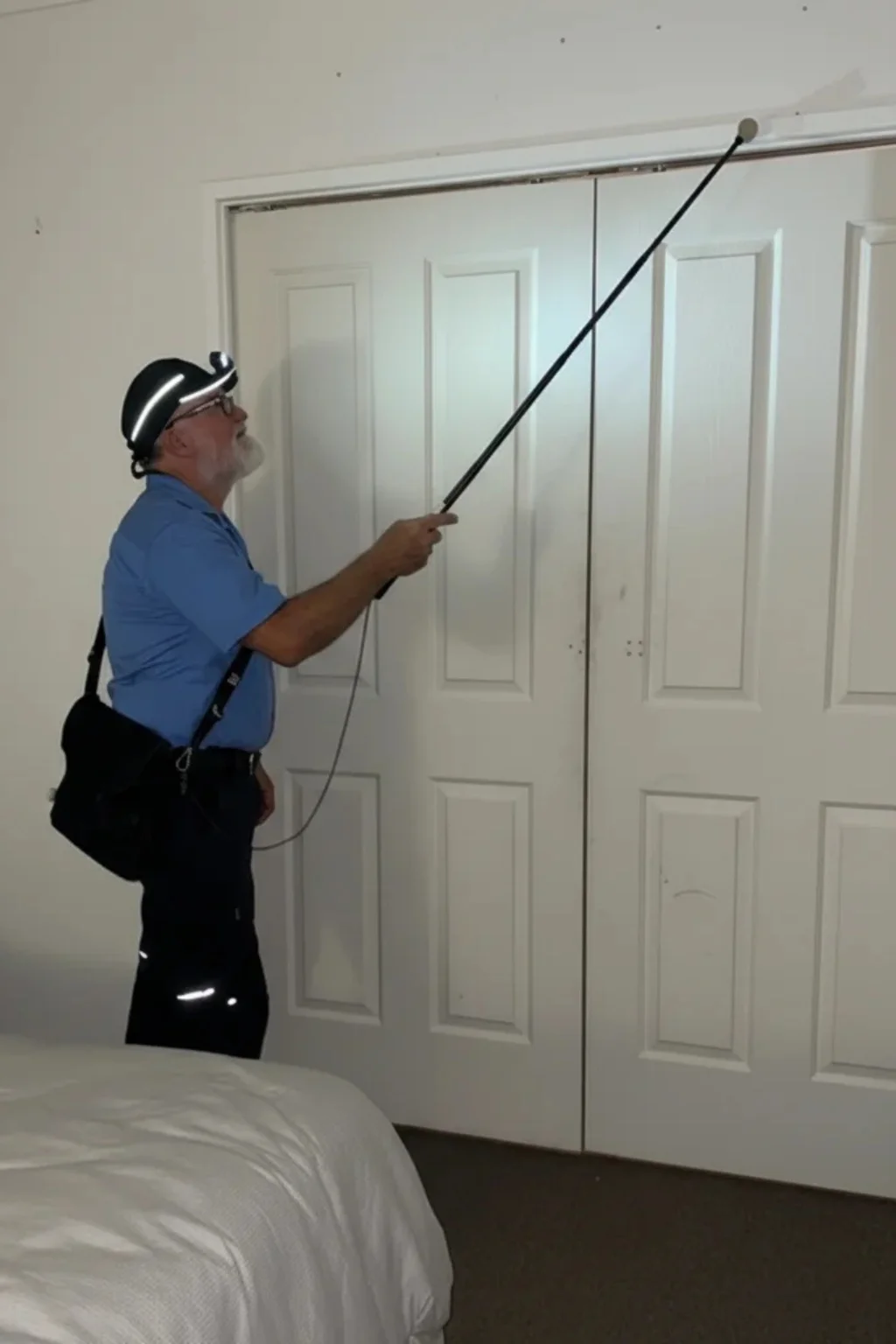
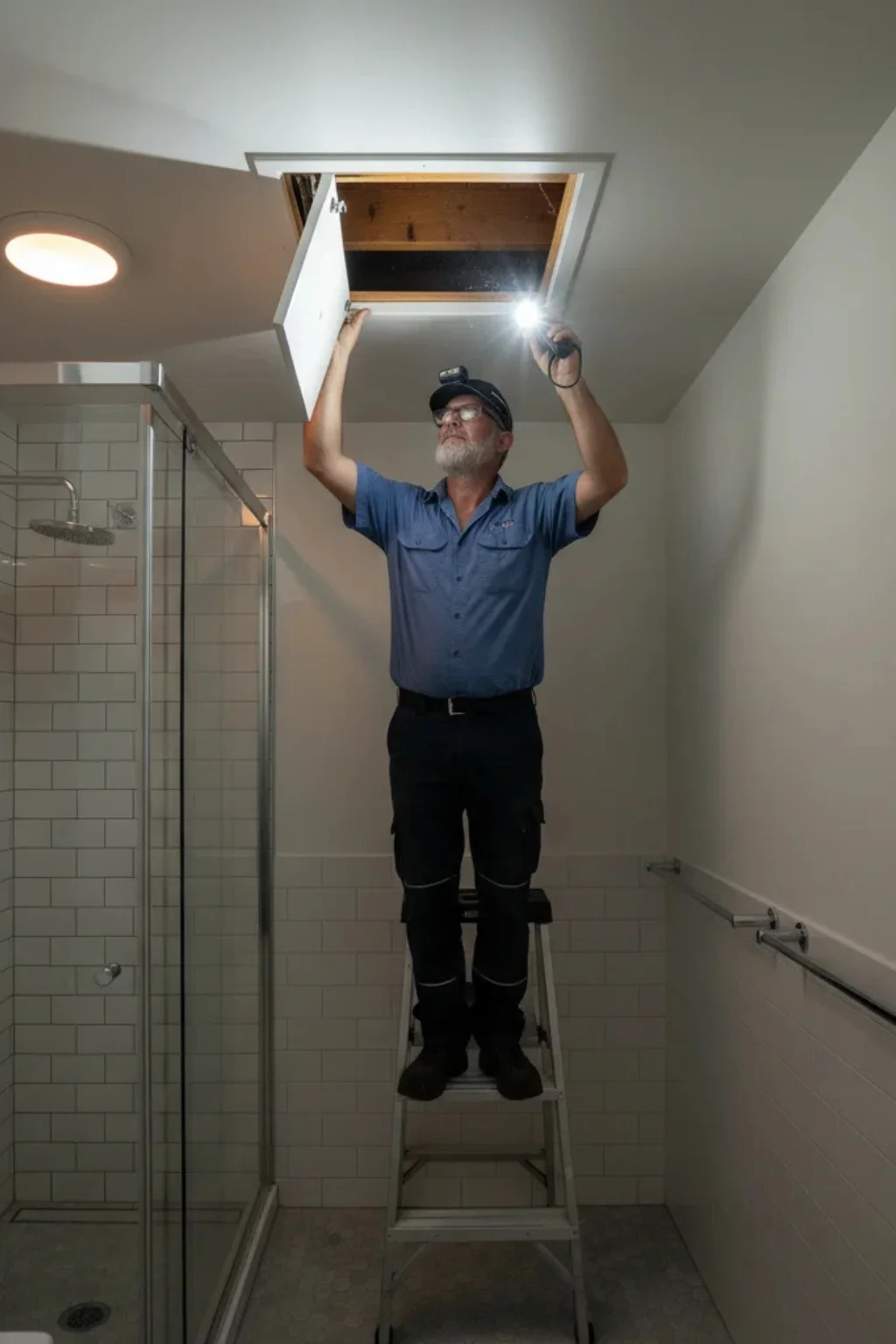
Step 2 — On-Site Inspection Marc arrives at the property and carries out a thorough visual inspection of all safely accessible areas. Most inspections take between one and three hours depending on the property size and age.
Step 3 — Report Delivered Within 24 Hours Your detailed photographic report is delivered to your inbox within 24 hours of the inspection. The report documents all findings clearly with photographs, plain English descriptions, and a clear indication of the severity of each issue.
Step 4 — Follow-Up Phone Call Marc is available for a follow-up call to walk you through the key findings, answer your questions, and help you understand what the report means for your decision.
Understanding the scope of a dilapidation inspection helps you plan appropriately.
A pre-construction dilapidation inspection does not cover:
If construction activity subsequently causes damage and a dispute arises, your solicitor will advise on the appropriate course of action. The dilapidation report provides the factual documented evidence to support that process.
We keep the process simple and straightforward. Here is what to expect from first contact to report delivery.
1.Book Your Inspection — Contact us by phone or through the online quote form. We confirm the property address and your preferred date. We recommend booking as early as possible before construction commences so the pre-construction baseline is clearly established.
2. On-Site Inspection — Marc arrives at the property and conducts a thorough visual assessment of all accessible areas. The inspection is systematic and extensive, with particular focus on existing cracks, movement, drainage, and any elements likely to be affected by the planned construction activity. Most inspections take between one and two hours depending on the property size.
3. Report Delivered Within 24 Hours — Your detailed photographic dilapidation report is delivered within 24 hours of the inspection. The report documents the existing condition of all assessed elements with photographs, written descriptions, and clear notation of any pre-existing cracks or defects.
4. Follow-Up Phone Call — Marc is available for a follow-up call to discuss the findings, answer questions, and advise on any areas of particular concern relative to the planned construction activity.
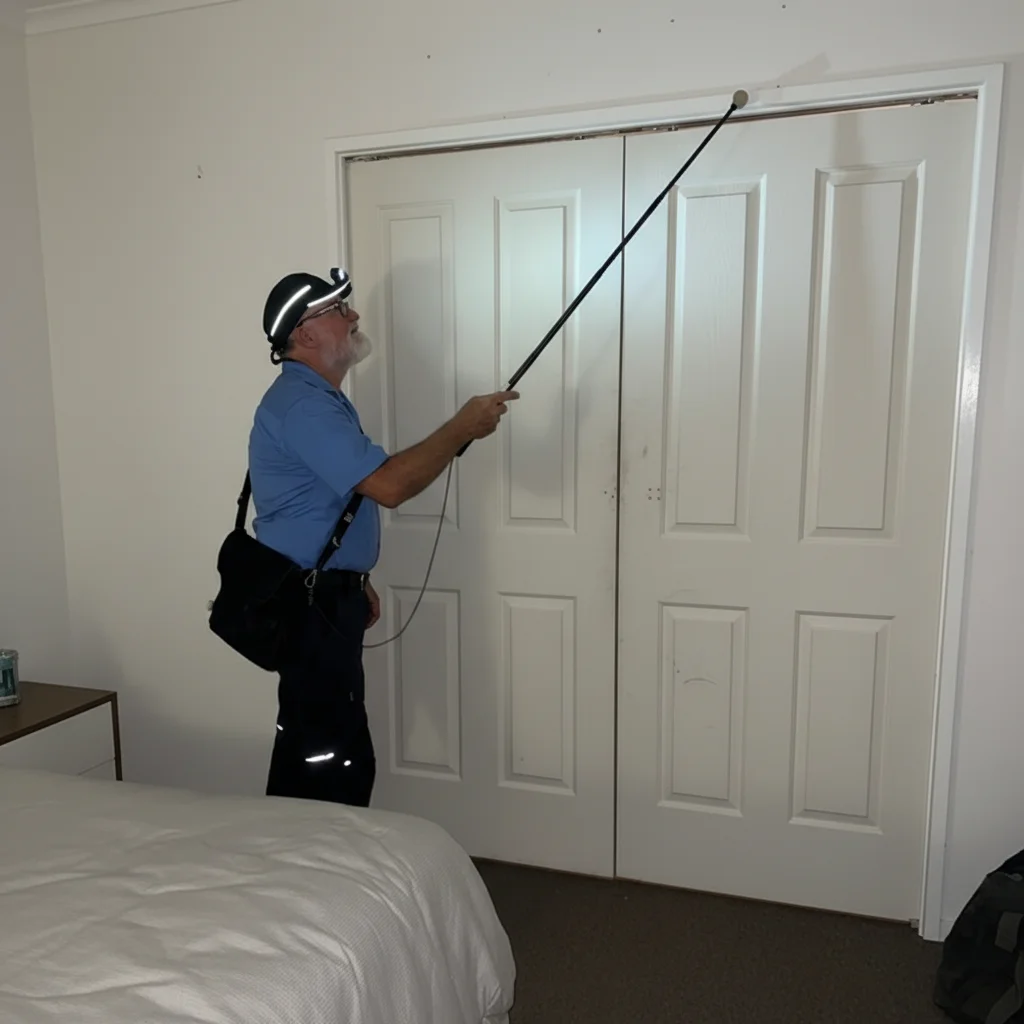
Your dilapidation report is designed to be a clear, legally useful document that stands up as evidence if a dispute arises. Every element is documented thoroughly with photographic evidence and written description.
Each report includes:
The report is delivered as a digital document and can be shared directly with your solicitor, builder, council, or any other relevant party. It is compliant with Australian Standard AS4349.
A dilapidation inspection is only as useful as the experience of the person conducting it. Understanding which elements to document, how to record existing cracks accurately, and what construction activity is likely to affect requires genuine construction knowledge, not just inspection training.
Marc Hanley is a licensed builder, not just a registered inspector. Here is what that means for your dilapidation report:
When you book a dilapidation inspection with Barrenjoey Inspections, you get the assessment of someone who has spent over 30 years working in construction across Sydney.
That depth of knowledge is what makes the difference between a useful report and an inadequate one.
We carry out pre-construction and dilapidation inspections across Sydney with a primary focus on the Northern Beaches and North Shore.
Our understanding of the local building stock, soil conditions, and construction activity in this area is a genuine advantage for property owners and builders operating here.
Northern Beaches
North Shore
Not sure if we cover your suburb? Call Marc directly for a quick answer.

EXCELLENTTrustindex verifies that the original source of the review is Google. Marc was efficient and extremely thorough at a time we really needed his professional advice. His communication is outstanding and we highly recommend him.Posted onTrustindex verifies that the original source of the review is Google. Marc provided a very comprehensive building report, and was a pleasure to work with. He was responded to our enquiry immediately and was available at short notice.Posted onTrustindex verifies that the original source of the review is Google. I highly recommend Marc for anyone looking for a building and pest report. He was responsive, thorough in his review of the property, helpful with my queries and easy to do business with.Posted onTrustindex verifies that the original source of the review is Google. Marc is extremely thorough and meticulous. I have used many other Property inspectors in the past and none of them have come anywhere close to the level of detailed reports that Mark provide. He is the gold standard for property inspectors. So pleased I engaged his services on several occasions. I will recommend him to everyone. Dave.Posted onTrustindex verifies that the original source of the review is Google. Marc performed a building and pest inspection for an apartment ahead of a purchase. Quick turnaround for a thorough report that was clear to understandPosted onTrustindex verifies that the original source of the review is Google. Marc was able to accomodate me quickly and was very thorough and knowledgeable. I highly recommend Marc for your next house/pest inspection.Posted onTrustindex verifies that the original source of the review is Google. I was very impressed by the professional and friendly service from Barrenjoey Inspections. Marc is knowledgeable and has great attention to detail. The report is thorough and easy to follow, providing confidence for the most significant purchase, our new home.Verified by TrustindexTrustindex verified badge is the Universal Symbol of Trust. Only the greatest companies can get the verified badge who has a review score above 4.5, based on customer reviews over the past 12 months. Read more
A dilapidation report is a detailed photographic and written record of a property’s condition taken before construction or development activity begins nearby.
You need one if construction is planned on a neighbouring property, if you are a builder commencing works that may affect surrounding properties, or if council has requested one as a condition of development approval.
It provides documented evidence of pre-existing conditions that is essential if a damage dispute arises.
Book as early as possible — ideally before any site preparation or demolition begins on the neighbouring property.
Once construction commences, any damage that occurs cannot be distinguished from pre-existing conditions without a prior report. The earlier the inspection is completed, the stronger the baseline documentation.
Most inspections take between one and two hours depending on the size of the property and the extent of accessible areas. Properties with larger external areas, multiple structures, or extensive internal areas to document may take longer.
Your detailed photographic report is delivered within 24 hours of the inspection.
A follow-up call with Marc is available to discuss the findings and any areas of particular concern relative to the planned construction activity.
You do not need permission from your neighbour or their builder to arrange a dilapidation inspection of your own property.
The inspection is conducted on your property and documents its condition. You may wish to inform the developer or builder as a matter of courtesy but it is not a requirement.
Yes. A dilapidation report is specifically designed to support this situation.
It provides a clear, documented, timestamped record of your property’s condition before construction that can be presented to the builder, their insurer, or your solicitor as evidence of pre-existing conditions versus post-construction damage.
Yes. Builders and developers often commission dilapidation inspections of neighbouring properties before commencing work.
This protects them from unsubstantiated claims by establishing a clear record of the pre-existing condition of surrounding properties. Some councils require dilapidation reports as a condition of development approval.
We inspect and document all safely accessible areas of the property including external walls, roof covering and guttering, fencing, driveways, paths, retaining walls, and all internal areas including walls, ceilings, floors, and wet areas.
Particular attention is paid to existing cracking, settlement, drainage conditions, and any elements likely to be affected by the planned construction.
No. A dilapidation inspection is a thorough visual assessment that documents the visible condition of the property.
It is not a structural engineering report. If structural assessment is required, a licensed structural engineer should be engaged separately.
The dilapidation report provides the factual visual record. A structural engineer provides technical analysis of structural elements.
You can, but the value is significantly reduced once construction has commenced. An inspection after works have begun cannot establish a clear pre-construction baseline and may not be useful in a dispute situation.
If works have already started and you have concerns about your property, contact Marc directly to discuss your situation and the best course of action.
