Contact Barrenjoey Inspections:
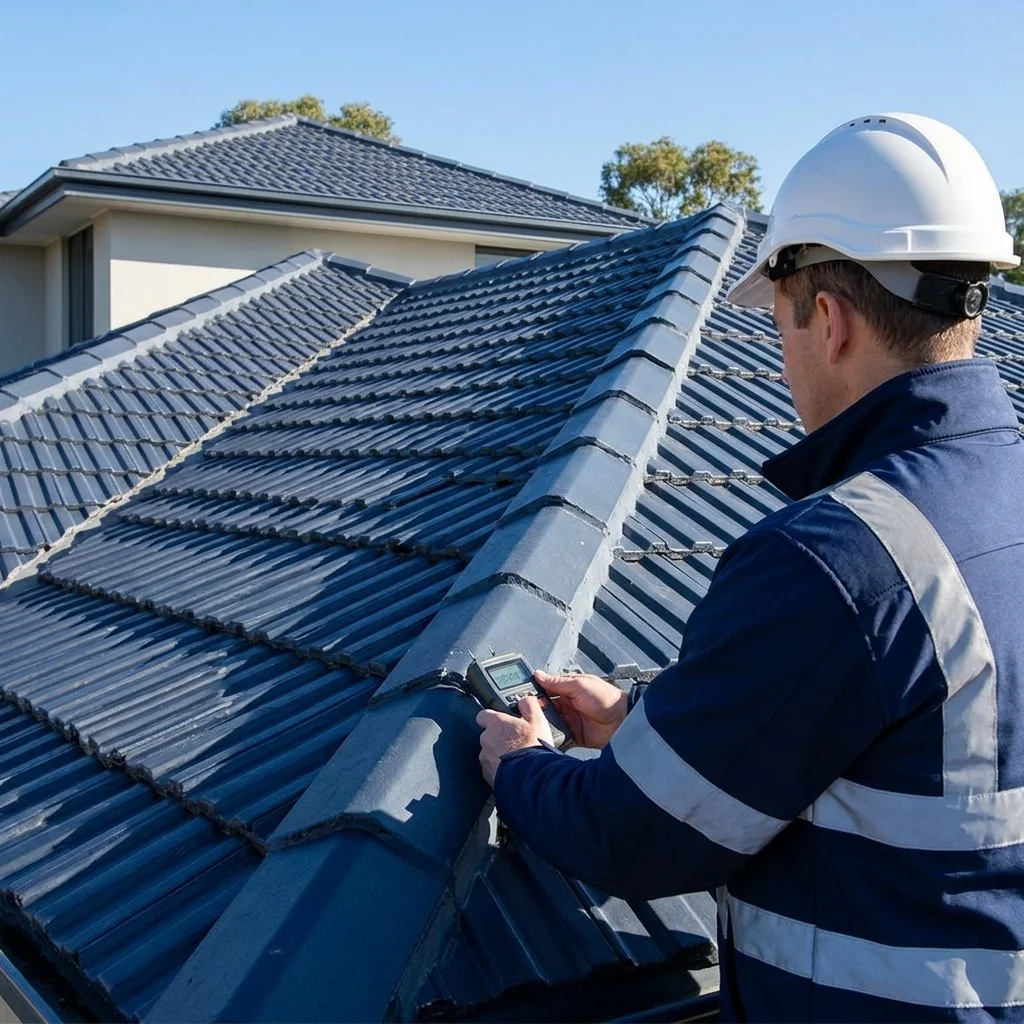
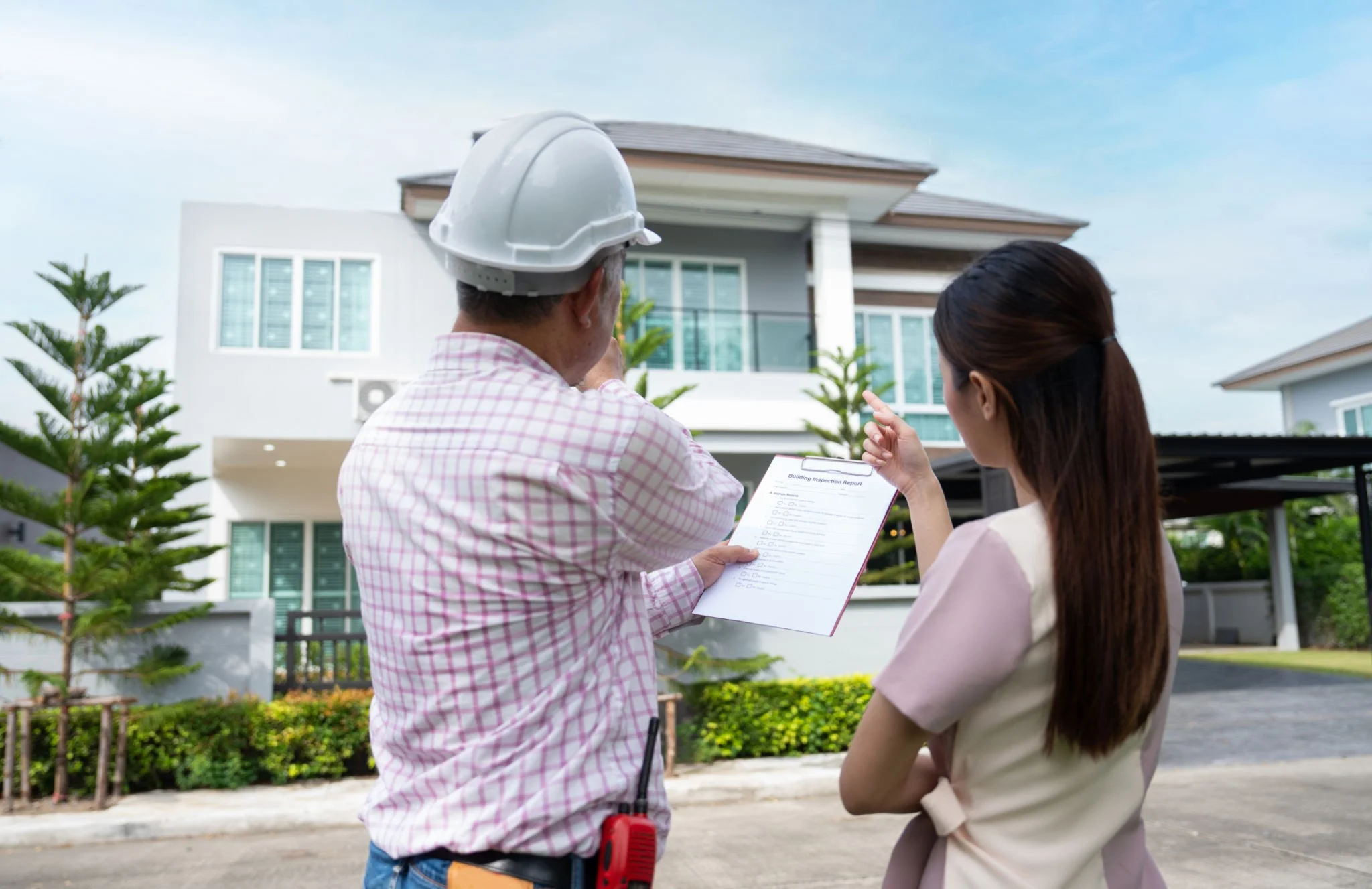
Most Sydney buyers have never sat through a building inspection before, so it makes sense to want clarity before booking one. Knowing what does a building inspector look for helps you understand the value of the report you are paying for, and it also helps you use the inspector’s time on the day more effectively, since you can point out specific areas of concern.
It also sets realistic expectations. A pre-purchase building and pest inspection is a thorough visual assessment of accessible areas, not an invasive investigation involving removing wall linings or lifting flooring. Understanding this distinction upfront means you are not disappointed by what the report does and does not cover.
A pre-purchase building and pest inspection conducted in line with Australian Standard AS4349 generally covers the following areas.
Structural condition sits at the core of any building inspection. This includes roof framing, walls, floors, and foundations, along with any visible signs of movement, cracking, or settlement. A licensed builder with hands-on construction experience can often identify whether a crack is cosmetic or indicates a more significant structural issue.
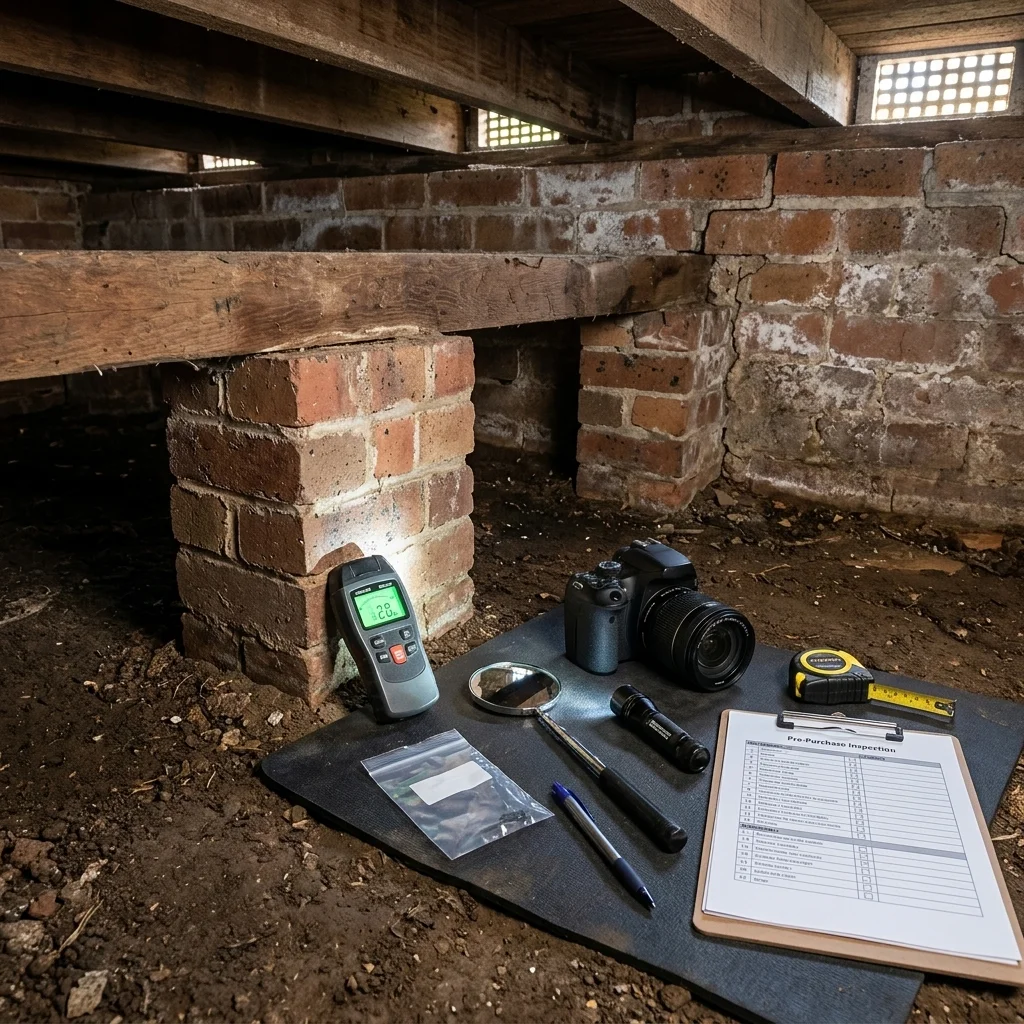
Where safely accessible, an inspector examines the roof void and subfloor for signs of moisture, timber decay, pest activity, and general condition. These areas are frequently where the most useful evidence sits, since they are rarely seen or maintained by homeowners and can reveal issues not visible from inside the living areas.
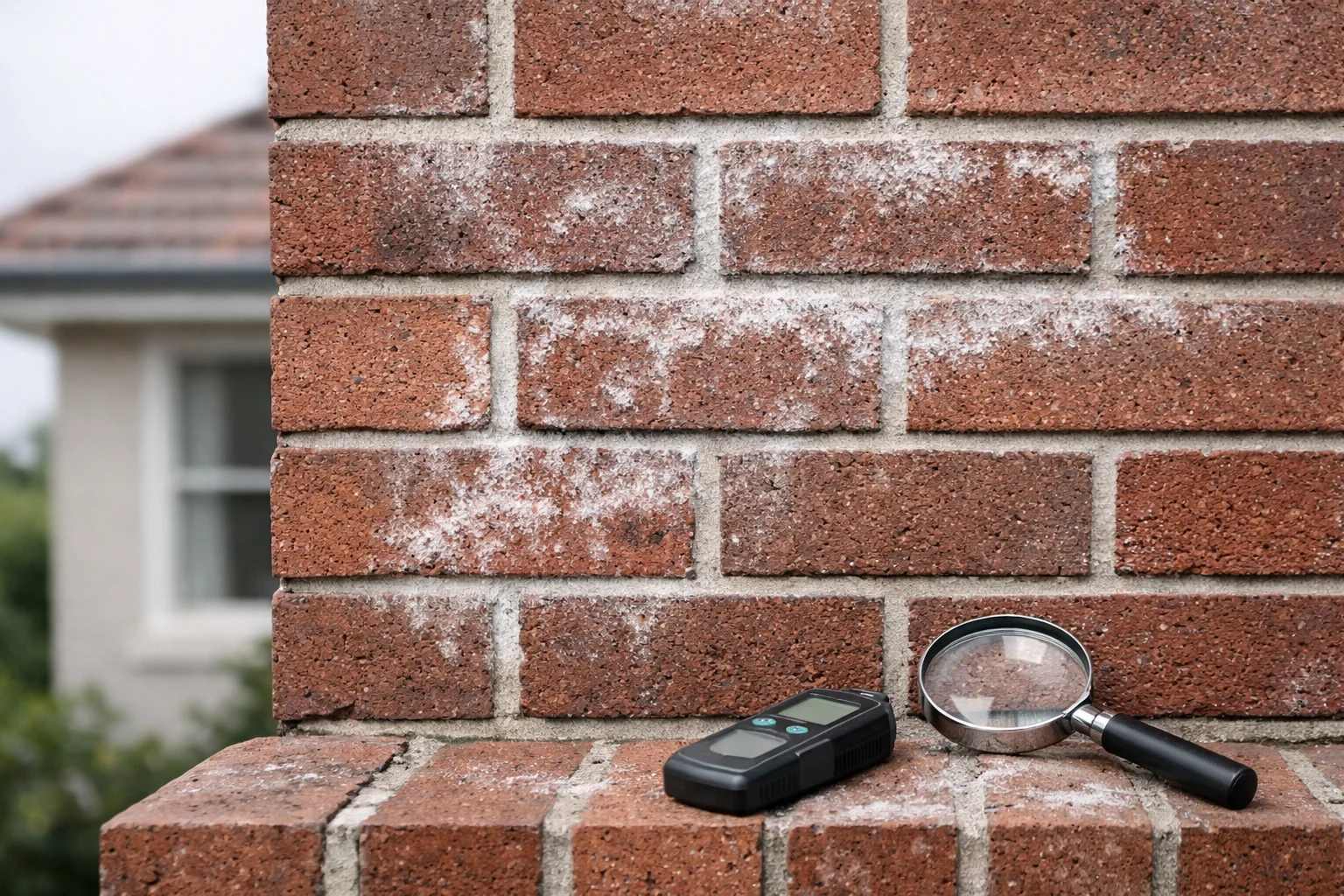
Walls, ceilings, floors, windows, and doors are all checked for visible defects, water staining, and general wear. Externally, this extends to cladding, render, brickwork, guttering, and drainage around the property.
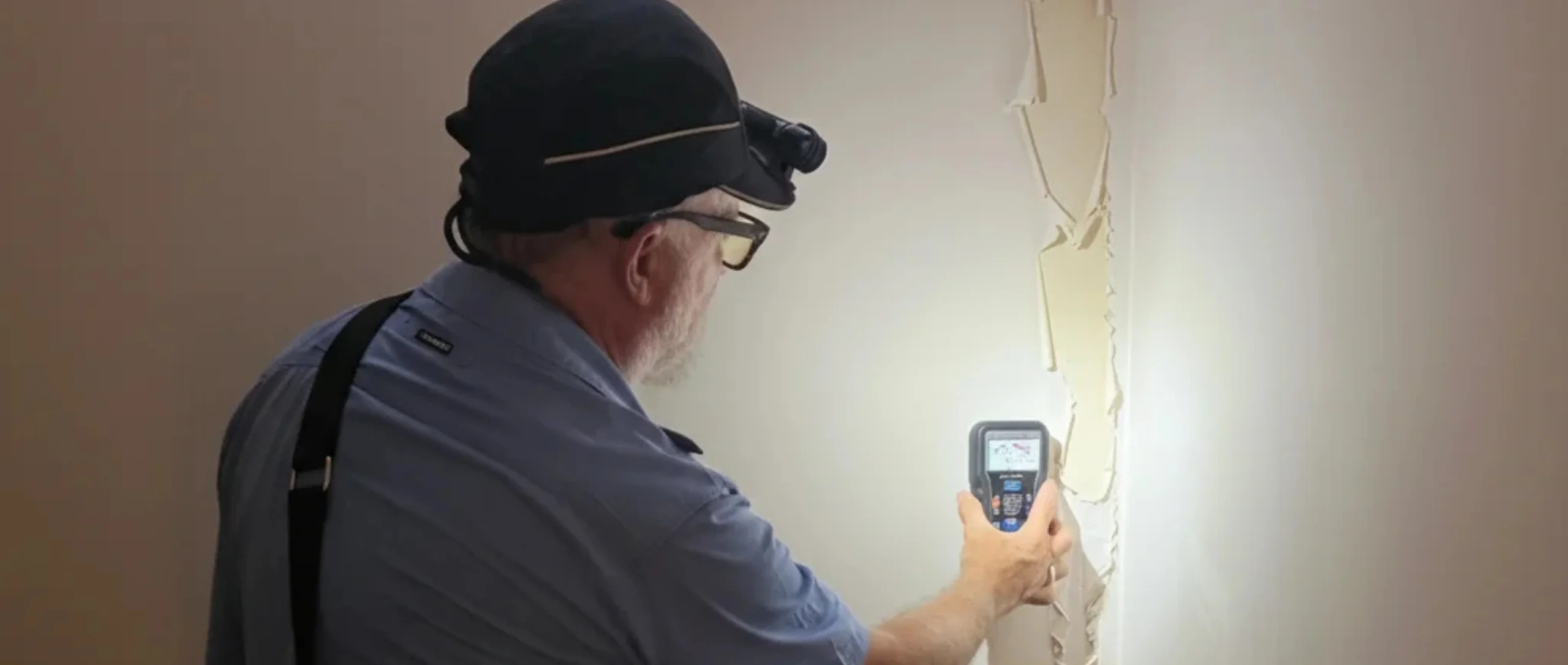
Rising damp, leaks, and poor drainage are among the most common issues found during inspections. Many inspectors, including Barrenjoey Inspections, use thermal imaging and moisture meters to identify dampness that is not yet visible to the eye, giving buyers an earlier warning than a purely visual check alone.
Balustrades, stair handrails, smoke alarms, and electrical or trip hazards are all checked against general safety expectations. These findings matter not only for your own household but also for future resale, since safety defects are commonly flagged by buyers further down the line.
As part of a combined building and pest inspection, the inspector also checks for visible evidence of termite activity, timber decay, and wood borer damage. This is a separate but complementary assessment to the structural check, and the two together give buyers a genuinely useful picture of the property’s condition. If you want to understand what this part of the process looks for specifically, our guide on signs of termites in your home walks through the common indicators.
| Area | What Is Assessed |
|---|---|
| Structural elements | Roof framing, walls, floors, foundations, signs of movement or cracking |
| Roof void and subfloor | Moisture, timber decay, pest activity, general condition, where safely accessible |
| Internal and external surfaces | Visible defects, water staining, general wear and condition |
| Moisture | Rising damp, leaks, drainage issues, often checked with thermal imaging |
| Safety | Balustrades, handrails, smoke alarms, trip and electrical hazards |
| Timber pest activity | Evidence of termites, timber decay, and wood borer damage |
A thorough visual inspection has clear limits, and a reputable inspector will always explain them rather than let you assume otherwise. Areas that are not safely accessible, such as fully enclosed wall cavities, areas beneath fixed flooring, or roof sections without safe access, cannot be inspected without invasive work.
This is why the report reflects what was visible and accessible on the day, not an exhaustive guarantee of every condition within the property. If a specific concern exists, such as a known past leak or an area flagged by the vendor, it is worth mentioning this to your inspector before the appointment so they can pay closer attention to that area within the accessible scope.
“I didn’t realise how much detail would go into the roof void and subfloor until I saw the photos in the report. It genuinely felt like the inspector had checked everything he could physically reach,” said a Northern Beaches property buyer, describing a typical pre-purchase inspection experience.
Understanding what does a building inspector look for is easier once you see the full process from booking through to the final report.
Not every inspector brings the same background to the property. Marc Hanley, founder of Barrenjoey Inspections, is a licensed builder with over 30 years of hands-on construction experience, which shapes how a property is assessed. Understanding how a building is actually put together, where builders typically cut corners, and how different construction eras behave over time all inform what an inspector notices and how they interpret it.
Every inspection at Barrenjoey Inspections is conducted independently, with findings reported factually and without influence from agents or any other third party. Before you exchange contracts, it is worth speaking to an experienced local inspector who understands Northern Beaches and North Shore construction specifically, rather than a generic checklist approach.
For buyers considering an apartment or strata property, the scope shifts slightly to focus on the unit and visible common property; our strata and apartment buyer inspections page explains what is covered in that context. If you are planning renovations or new construction nearby, a pre-construction and dilapidation inspection documents existing property condition before work begins.
Some of the most useful findings in a building inspection report are not the ones buyers expect. Cosmetic issues like a chip in the paintwork or a marked benchtop are easy to spot without help, but the findings that genuinely change a buying decision usually sit somewhere less obvious.
Rising damp along skirting boards. This often shows up as discolouration or a musty smell rather than an obvious wet patch, and it can point to drainage or waterproofing issues that are expensive to resolve.
Minor roof movement that has gone unnoticed. Small amounts of sagging in older roof frames are common and not always urgent, but they are worth understanding before you buy, particularly if further renovation work is planned.
Evidence of a past repair that was not finished properly. Inspectors regularly find patched areas where previous work addressed the surface issue without resolving the underlying cause, which means the same problem can resurface later.
Subfloor ventilation that is inadequate for the property. Poor airflow beneath the home increases moisture retention, which in turn raises the risk of timber decay and creates more favourable conditions for termite activity.
None of these findings are necessarily deal breakers. What matters is that you know about them before you exchange contracts, not after, so you can factor them into your decision, your negotiation, or your maintenance planning for the property.
A building inspection is more useful when you treat it as a two-way conversation rather than a box-ticking exercise. A few simple steps can help you get more out of the appointment.
Share any known history you have about the property, including past renovations, previous leaks, or anything mentioned by the agent or vendor. Ask your inspector to walk you through the report rather than only reading the summary, since context often matters as much as the individual findings. If a finding is unclear, ask directly what it means for the property’s condition and what, if anything, should happen next.
Buyers who engage with the process this way tend to walk away with a much clearer picture of what they are purchasing, rather than a report full of technical terms they only partially understand.
A thorough visual inspection conducted in line with Australian Standard AS4349
Roof framing, walls, floors and foundations, checked for movement or cracking.
Moisture, timber decay and pest activity, where safely accessible.
Internal and external walls, ceilings, cladding and drainage.
Rising damp and leaks, often checked with thermal imaging.
Balustrades, handrails, smoke alarms and trip hazards.
Evidence of termites, timber decay and wood borer damage.
Confirm the property address and preferred date.
Structure, moisture, safety and timber pest indicators reviewed.
Every finding documented with clear photographs.
AS4349 compliant report delivered in plain English.
Key findings explained before your contract deadline.
A building inspector examines accessible structural elements, roof void and subfloor areas, internal and external surfaces, moisture issues, safety hazards, and, as part of a combined inspection, evidence of termite activity, timber decay, and wood borer damage. Everything is documented with photographs in a report compliant with Australian Standard AS4349.
No. A thorough visual inspection covers accessible areas only. Fully enclosed wall cavities and areas beneath fixed flooring cannot be assessed without invasive work, which falls outside the scope of a standard pre-purchase inspection.
Timber pest activity is assessed as part of a combined building and pest inspection, not as a separate building-only service. This gives buyers both structural and timber pest findings in a single visit and report.
Most inspections take between one and three hours, depending on the size, age, and accessibility of the property. Larger homes or properties with more accessible subfloor and roof void areas generally take longer to inspect thoroughly.
A detailed, photographic inspection report is typically delivered within 24 hours of the inspection, giving you time to review the findings and speak with the inspector before any contract deadlines.

EXCELLENTTrustindex verifies that the original source of the review is Google. Marc was efficient and extremely thorough at a time we really needed his professional advice. His communication is outstanding and we highly recommend him.Posted on GoogleTrustindex verifies that the original source of the review is Google. Marc provided a very comprehensive building report, and was a pleasure to work with. He was responded to our enquiry immediately and was available at short notice.Posted on GoogleTrustindex verifies that the original source of the review is Google. I highly recommend Marc for anyone looking for a building and pest report. He was responsive, thorough in his review of the property, helpful with my queries and easy to do business with.Posted on GoogleTrustindex verifies that the original source of the review is Google. Marc is extremely thorough and meticulous. I have used many other Property inspectors in the past and none of them have come anywhere close to the level of detailed reports that Mark provide. He is the gold standard for property inspectors. So pleased I engaged his services on several occasions. I will recommend him to everyone. Dave.Posted on GoogleTrustindex verifies that the original source of the review is Google. Marc performed a building and pest inspection for an apartment ahead of a purchase. Quick turnaround for a thorough report that was clear to understandPosted on GoogleTrustindex verifies that the original source of the review is Google. Marc was able to accomodate me quickly and was very thorough and knowledgeable. I highly recommend Marc for your next house/pest inspection.Posted on GoogleTrustindex verifies that the original source of the review is Google. I was very impressed by the professional and friendly service from Barrenjoey Inspections. Marc is knowledgeable and has great attention to detail. The report is thorough and easy to follow, providing confidence for the most significant purchase, our new home.Verified by TrustindexTrustindex verified badge is the Universal Symbol of Trust. Only the greatest companies can get the verified badge who has a review score above 4.5, based on customer reviews over the past 12 months. Read more
Professional Building Inspection Services Across All Sydney Regions
Subscribe to our newsletter and never miss the let latest articles, expert blogs, business effectively.
Buying a property is one of the biggest financial commitments you will make. Our pre-purchase building and pest inspections provide a detailed assessment of the visible condition of the property, helping you make informed decisions before you sign.
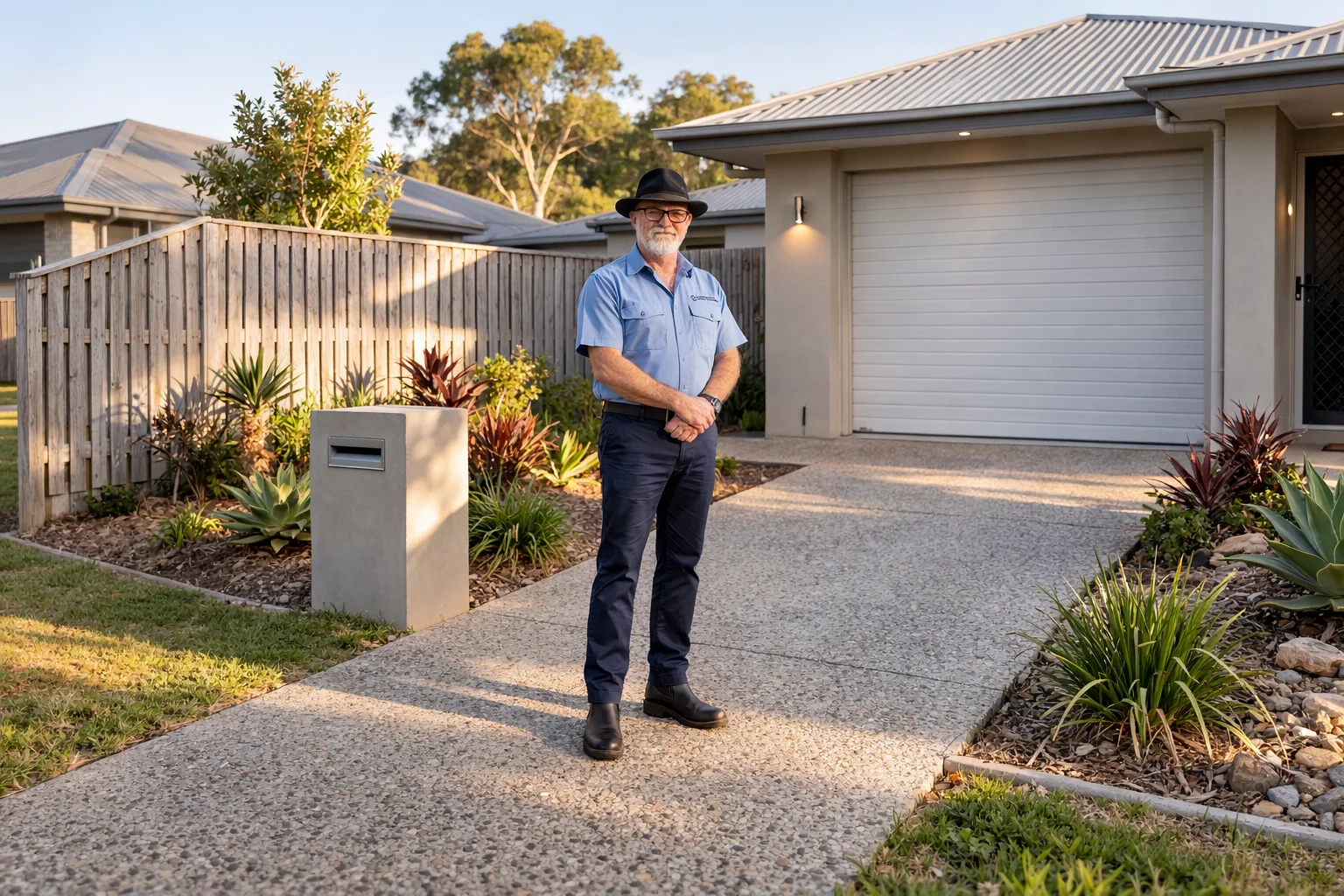
Need a building-only assessment before purchase? Our buyer building inspection covers structure, safety, moisture, and visible defects without the timber pest component.
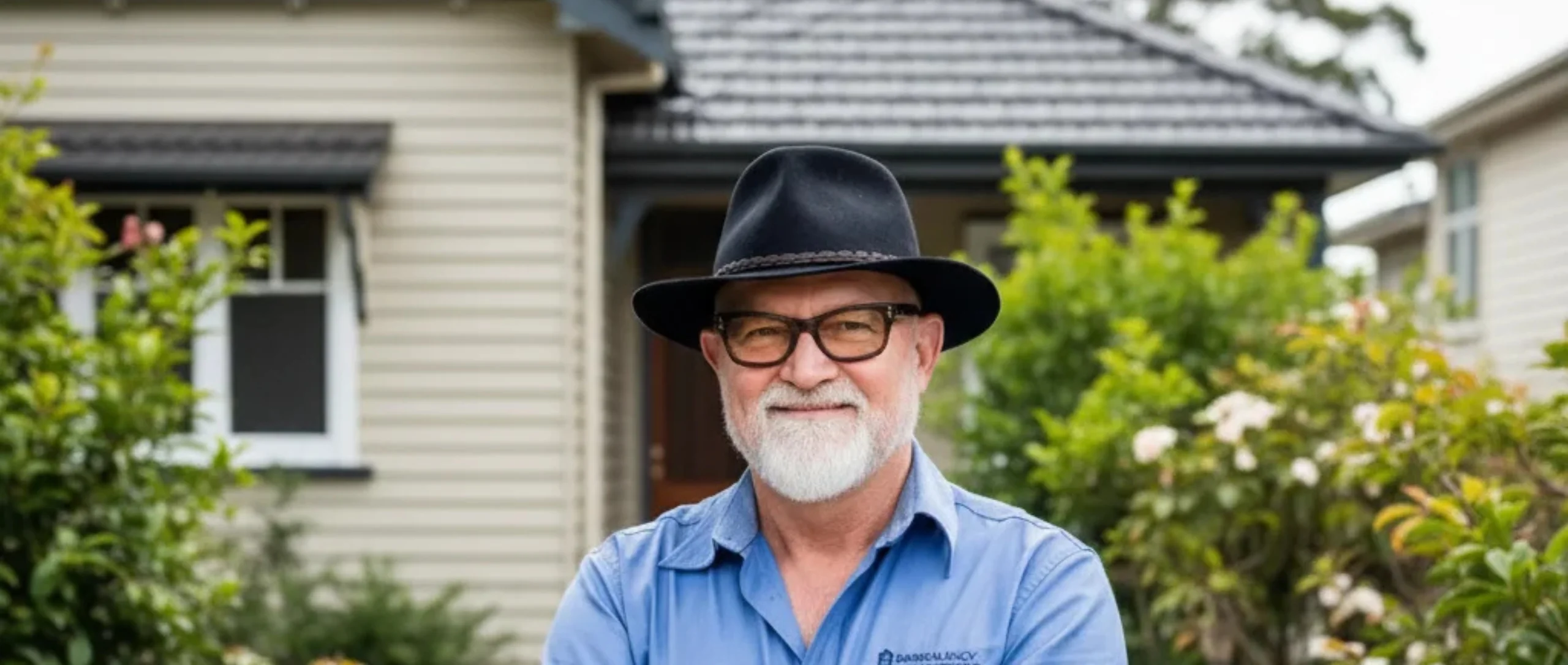
Our most requested service is the complete building and pest inspection Sydney buyers book before auctions and cooling-off deadlines. You receive a comprehensive structural and timber pest assessment in one detailed report — delivered within 24 hours. This is the most efficient way to protect your purchase.
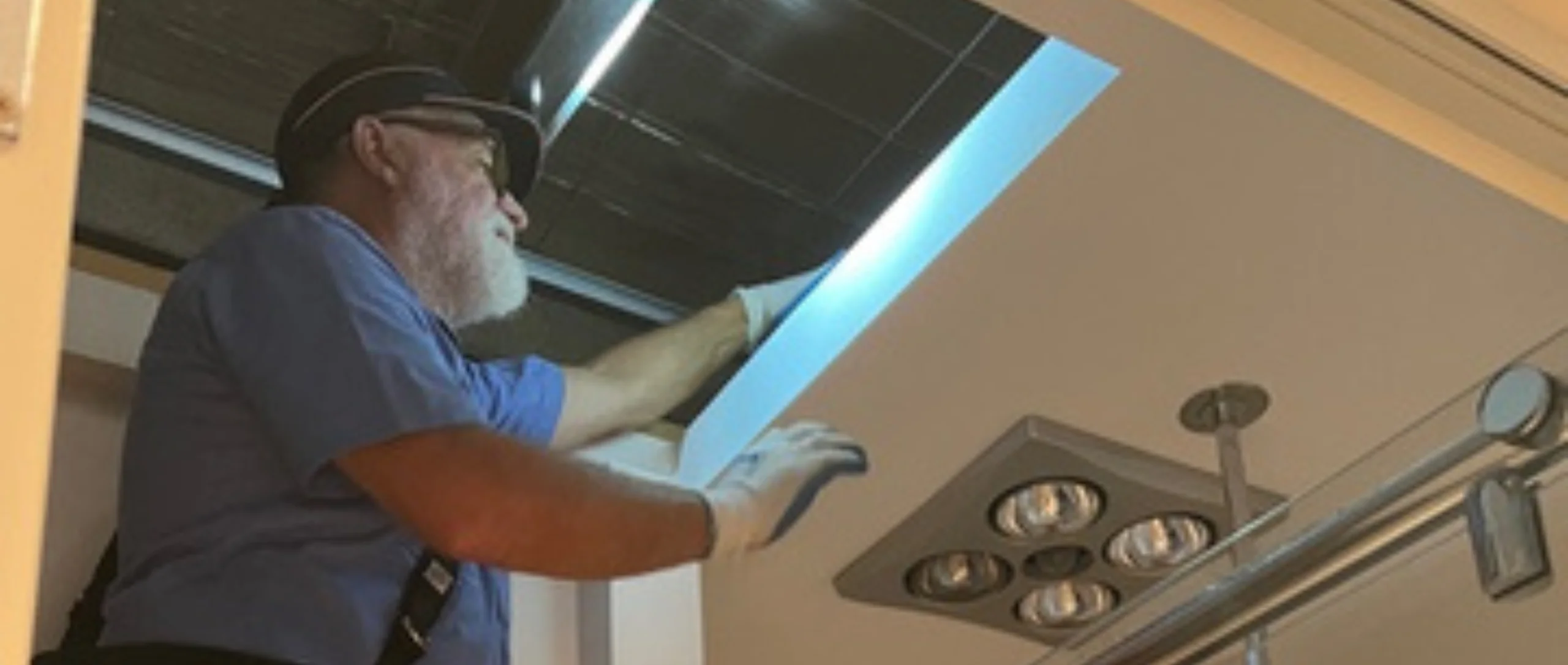
Experiencing defects in your apartment or strata unit, or planning remedial works? We provide independent inspections that document the condition of your unit and visible common property areas. Our reports give you clear evidence to help you engage with your owners corporation, understand potential issues, and protect your investment.