Contact Barrenjoey Inspections:
What this article covers:
Termites cause more financial damage to Australian homes each year than storms, floods, and fire combined. Unlike storm damage, termite activity is often invisible until the damage is already severe, because termites work from the inside of timber outward, leaving the surface looking intact while the structure underneath is hollowed out.
For a Sydney property buyer, this makes termites one of the most expensive risks to miss. A structural building inspection alone will not always catch active termite activity, because timber pest assessment is a separate discipline that requires specific knowledge, tools, and a trained eye. This is exactly why a standard pre-purchase building inspection does not include a full timber pest assessment on its own.
While a full assessment should always be left to a licensed inspector, there are visible warning signs a buyer can look for during an open home or private inspection. Finding any of these does not confirm termite activity on its own, but it is a strong reason to arrange a professional inspection before you commit.
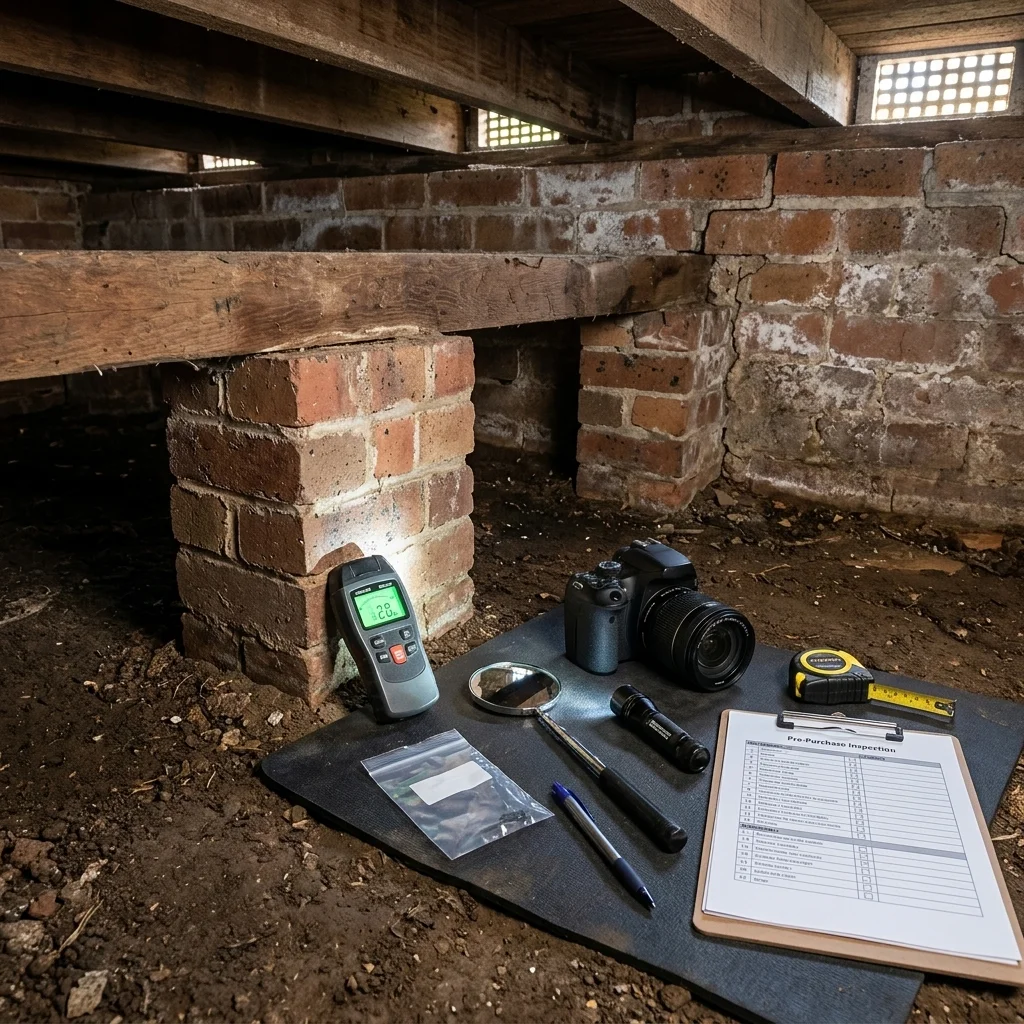
Mud or shelter tubes. Termites build narrow mud tubes, roughly the width of a pencil, along foundations, brick piers, subfloor timber, or exterior walls. These tubes protect them from light and air while they travel between the soil and the timber they are feeding on. They are one of the clearest signs of subterranean termite activity.
Discarded wings. Reproductive termites, known as alates, shed their wings after a swarm, usually in warmer months. Small piles of discarded, uniform-length wings near windowsills, skirting boards, or light fittings can indicate a nearby termite colony.
Hollow sounding timber. Termites eat timber from the inside, so a piece of skirting board, door frame, or structural timber can look completely normal while being hollow underneath. Gently tapping timber and listening for a dull or hollow sound compared to surrounding areas is a simple check.
Sagging or springy floorboards. Timber flooring that feels soft, springs underfoot, or sits unevenly can indicate structural timber has been compromised. This is often more noticeable near external walls, bathrooms, or subfloor access points.
Blistered or bubbling paint. Paint that appears blistered or bubbled on timber surfaces, without any obvious water damage, can be a sign of moisture and termite activity underneath the surface.
Damaged skirting boards and door frames. Crumbling edges, small exit holes, or a slightly caved-in appearance along skirting boards and frames are common places termite damage becomes visible first.
Frass, or termite droppings. Some termite species leave small piles of frass, a fine, sand-like material, near timber they have been feeding on. This is more common with drywood termites than the subterranean species most active in Sydney.
Cracked or bulging walls near ground level. Fine cracking or a slight bulge in plaster or render close to the ground can point to termite activity travelling up through a wall cavity.
The visible signs above are useful, but they only tell part of the story. Active termite colonies often work entirely within wall cavities, subfloor spaces, and roof voids that a buyer walking through an open home will never see. Termites also avoid light and open air, so a colony can be well established before any surface sign appears at all.
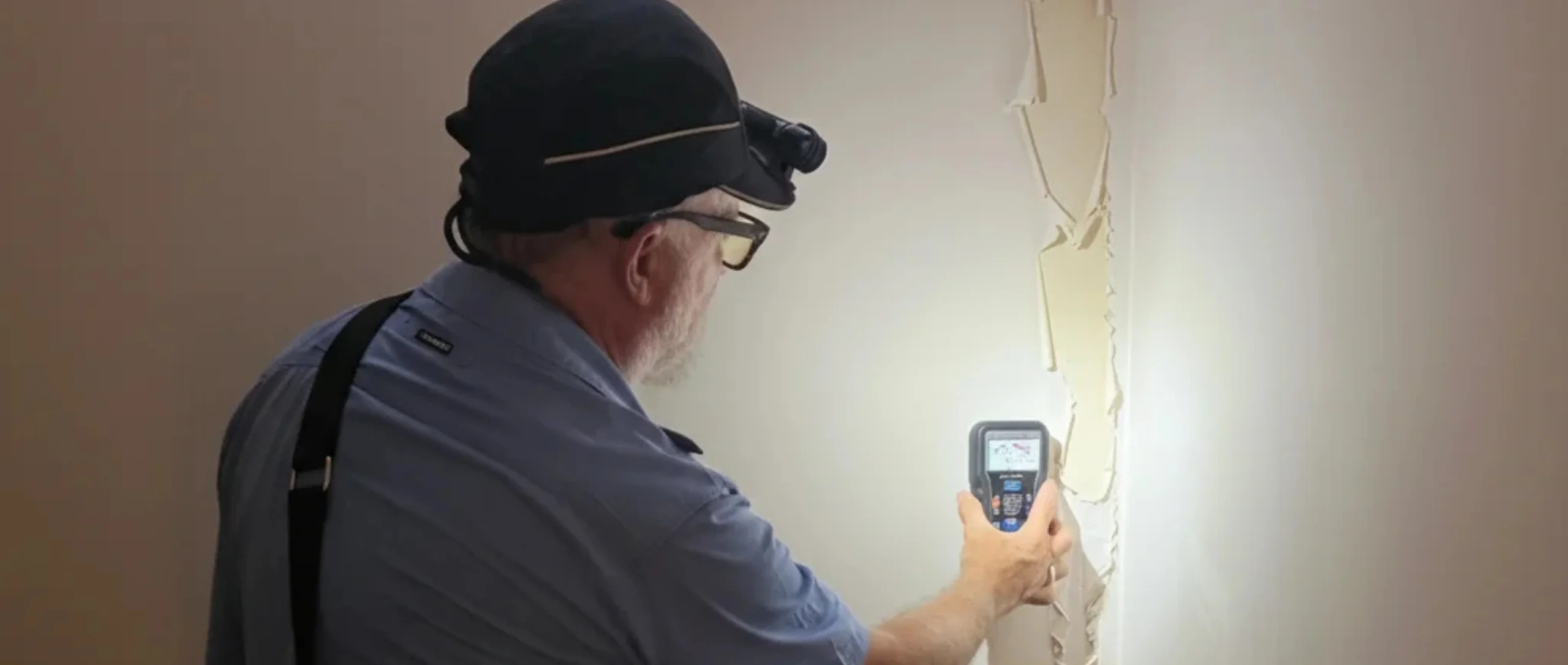
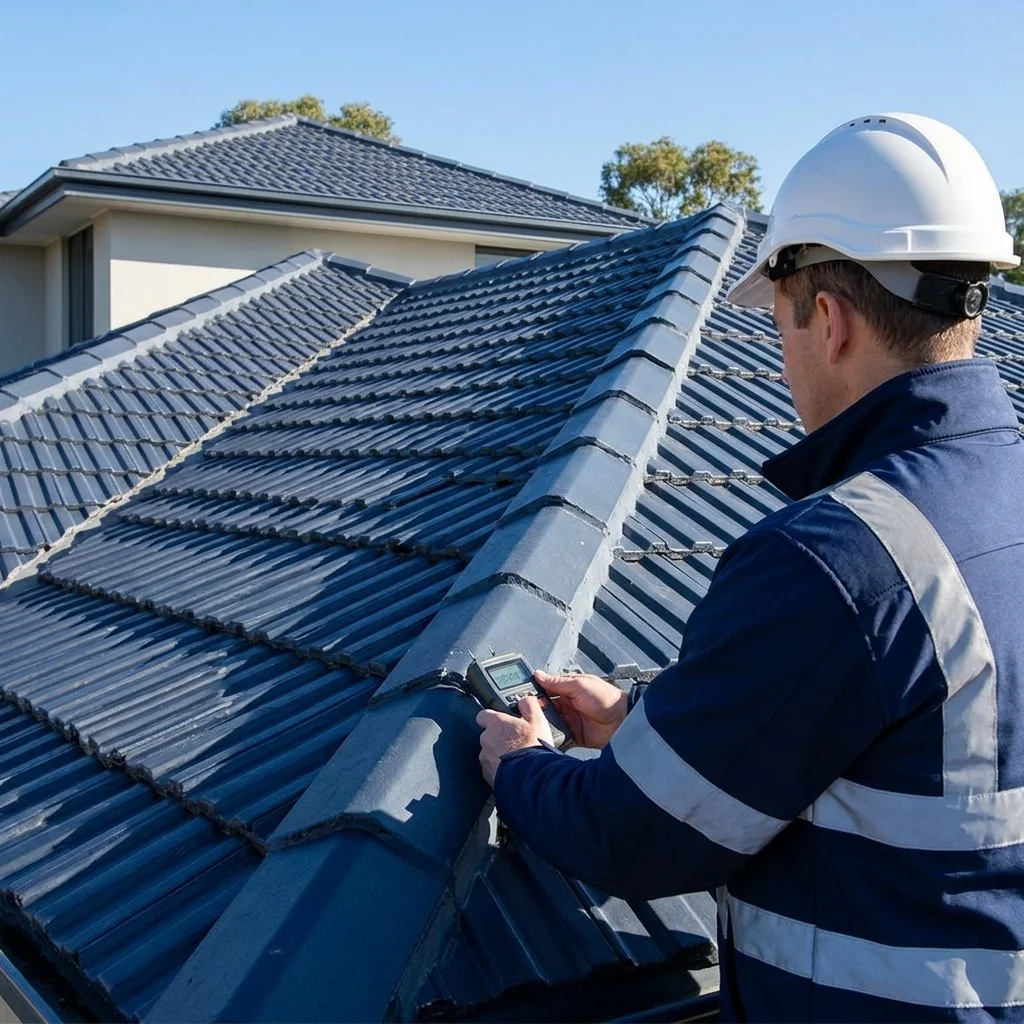
This is why a licensed pest inspector uses tools that go beyond a visual check, including moisture meters and thermal imaging, to detect temperature and moisture variations behind walls and under floors that indicate hidden termite activity. These tools pick up on evidence that is simply not visible to the naked eye, which is the gap a standard building-only inspection cannot close.
Termite risk is not evenly spread across Sydney. Properties on the Northern Beaches and North Shore sit in some of the highest risk termite zones in the city, for a few clear reasons.
Coastal humidity. Consistently high humidity levels near the coast create the moist conditions termites need to thrive, particularly around subfloor areas and roof voids with limited ventilation.
Proximity to bushland and reserves. Many Northern Beaches and North Shore suburbs back directly onto bushland, national park, or reserve. Termite colonies naturally occur in this environment, and properties bordering it are far more exposed than homes in fully cleared suburban blocks.
Older timber-framed housing stock. Federation homes, timber-framed cottages, and older brick veneer construction common across these suburbs offer more timber for termites to access, particularly in original subfloor framing that has never been treated.
Established gardens and mulched garden beds. Mature gardens with timber retaining walls, mulch, or old tree stumps close to the house create ideal termite conditions right next to the structure itself.
Given these factors, a standalone building inspection is rarely enough for a Northern Beaches or North Shore purchase. A combined assessment gives a buyer the complete picture.
A combined building and pest inspection assesses the structural condition of the property and checks for timber pest activity in a single visit, rather than requiring two separate appointments and two separate reports.
During a combined inspection, the assessment covers:
Because Northern Beaches properties carry elevated termite risk, a combined inspection is strongly recommended over a building-only assessment for any purchase in this area.
If you notice any of the visible signs covered above while viewing a property, do not attempt to investigate further yourself. Disturbing a termite colony can cause it to relocate deeper into the structure or to a different part of the property, making it harder to detect and treat.
Instead:
An independent, factual report gives you the information to make that decision with confidence, rather than guessing based on what you could see at an open home.
Barrenjoey Inspections, Sydney and Northern Beaches
Pencil-width mud tracks along foundations, piers, or subfloor timber.
Small piles of uniform wings near windowsills or light fittings after a swarm.
Skirting, frames, or structural timber that sound hollow when tapped.
Floorboards that feel soft or uneven underfoot, especially near external walls.
Paint that blisters on timber with no obvious water damage nearby.
Crumbling edges, small exit holes, or a caved-in appearance along timber.
Fine, sand-like droppings left near timber that has been fed on.
Fine cracks or a slight bulge in plaster or render near ground level.
You can spot some warning signs during a walkthrough, such as mud tubes, discarded wings, or hollow sounding timber, but active termite activity is often hidden inside wall cavities, subfloor spaces, and roof voids that are not visible without specialist tools. A visual check on its own cannot rule out termite activity.
No. A standard pre-purchase building inspection assesses structural condition and visible defects, but timber pest activity requires a separate assessment. For full coverage, a combined building and pest inspection is recommended, particularly on the Northern Beaches where termite risk is elevated.
Repair costs vary widely depending on how long the activity has gone undetected and which structural elements are affected, ranging from a few thousand dollars for localised timber replacement to significant structural repair costs where damage has spread through load-bearing framing. This is exactly why early detection through a professional inspection matters.
Older homes with original, untreated subfloor timber generally carry higher risk, but newer homes are not immune, especially where timber is in ground contact, gardens sit close to the structure, or the property backs onto bushland. Location and construction detail matter as much as the age of the building.
Do not disturb the area. Note the location, mention it to your inspector so it is checked specifically, and arrange a combined building and pest inspection before you commit to the purchase. The findings will tell you whether it is an active issue, historical damage that has already been treated, or something else entirely.

EXCELLENTTrustindex verifies that the original source of the review is Google. Marc was efficient and extremely thorough at a time we really needed his professional advice. His communication is outstanding and we highly recommend him.Posted on GoogleTrustindex verifies that the original source of the review is Google. Marc provided a very comprehensive building report, and was a pleasure to work with. He was responded to our enquiry immediately and was available at short notice.Posted on GoogleTrustindex verifies that the original source of the review is Google. I highly recommend Marc for anyone looking for a building and pest report. He was responsive, thorough in his review of the property, helpful with my queries and easy to do business with.Posted on GoogleTrustindex verifies that the original source of the review is Google. Marc is extremely thorough and meticulous. I have used many other Property inspectors in the past and none of them have come anywhere close to the level of detailed reports that Mark provide. He is the gold standard for property inspectors. So pleased I engaged his services on several occasions. I will recommend him to everyone. Dave.Posted on GoogleTrustindex verifies that the original source of the review is Google. Marc performed a building and pest inspection for an apartment ahead of a purchase. Quick turnaround for a thorough report that was clear to understandPosted on GoogleTrustindex verifies that the original source of the review is Google. Marc was able to accomodate me quickly and was very thorough and knowledgeable. I highly recommend Marc for your next house/pest inspection.Posted on GoogleTrustindex verifies that the original source of the review is Google. I was very impressed by the professional and friendly service from Barrenjoey Inspections. Marc is knowledgeable and has great attention to detail. The report is thorough and easy to follow, providing confidence for the most significant purchase, our new home.Verified by TrustindexTrustindex verified badge is the Universal Symbol of Trust. Only the greatest companies can get the verified badge who has a review score above 4.5, based on customer reviews over the past 12 months. Read more
Professional Building Inspection Services Across All Sydney Regions
Subscribe to our newsletter and never miss the let latest articles, expert blogs, business effectively.
Buying a property is one of the biggest financial commitments you will make. Our pre-purchase building and pest inspections provide a detailed assessment of the visible condition of the property, helping you make informed decisions before you sign.
Need a building-only assessment before purchase? Our buyer building inspection covers structure, safety, moisture, and visible defects without the timber pest component.
Our most requested service is the complete building and pest inspection Sydney buyers book before auctions and cooling-off deadlines. You receive a comprehensive structural and timber pest assessment in one detailed report — delivered within 24 hours. This is the most efficient way to protect your purchase.
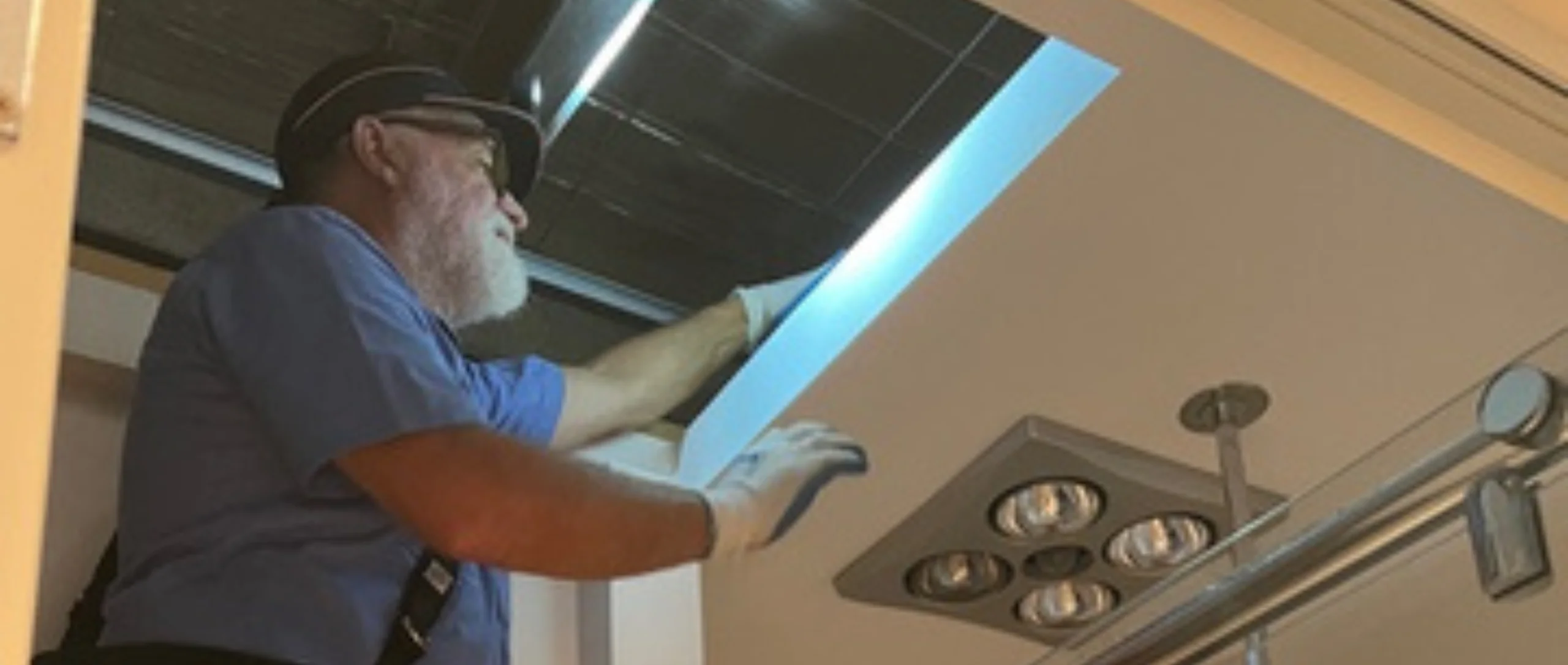
Experiencing defects in your apartment or strata unit, or planning remedial works? We provide independent inspections that document the condition of your unit and visible common property areas. Our reports give you clear evidence to help you engage with your owners corporation, understand potential issues, and protect your investment.