
Contact Barrenjoey Inspections:
EXCELLENTTrustindex verifies that the original source of the review is Google. Marc was efficient and extremely thorough at a time we really needed his professional advice. His communication is outstanding and we highly recommend him.Posted on GoogleTrustindex verifies that the original source of the review is Google. Marc provided a very comprehensive building report, and was a pleasure to work with. He was responded to our enquiry immediately and was available at short notice.Posted on GoogleTrustindex verifies that the original source of the review is Google. I highly recommend Marc for anyone looking for a building and pest report. He was responsive, thorough in his review of the property, helpful with my queries and easy to do business with.Posted on GoogleTrustindex verifies that the original source of the review is Google. Marc is extremely thorough and meticulous. I have used many other Property inspectors in the past and none of them have come anywhere close to the level of detailed reports that Mark provide. He is the gold standard for property inspectors. So pleased I engaged his services on several occasions. I will recommend him to everyone. Dave.Posted on GoogleTrustindex verifies that the original source of the review is Google. Marc performed a building and pest inspection for an apartment ahead of a purchase. Quick turnaround for a thorough report that was clear to understandPosted on GoogleTrustindex verifies that the original source of the review is Google. Marc was able to accomodate me quickly and was very thorough and knowledgeable. I highly recommend Marc for your next house/pest inspection.Posted on GoogleTrustindex verifies that the original source of the review is Google. I was very impressed by the professional and friendly service from Barrenjoey Inspections. Marc is knowledgeable and has great attention to detail. The report is thorough and easy to follow, providing confidence for the most significant purchase, our new home.Verified by TrustindexTrustindex verified badge is the Universal Symbol of Trust. Only the greatest companies can get the verified badge who has a review score above 4.5, based on customer reviews over the past 12 months. Read more
Professional Strata Inspection Services Across All Sydney Regions
Purchasing a strata-titled property is not the same as buying a freestanding house. You are buying your individual lot and a share of the building and common property around it. Hidden defects in your unit or deteriorating common areas can cost you significantly after settlement through repairs, special levies, or both.
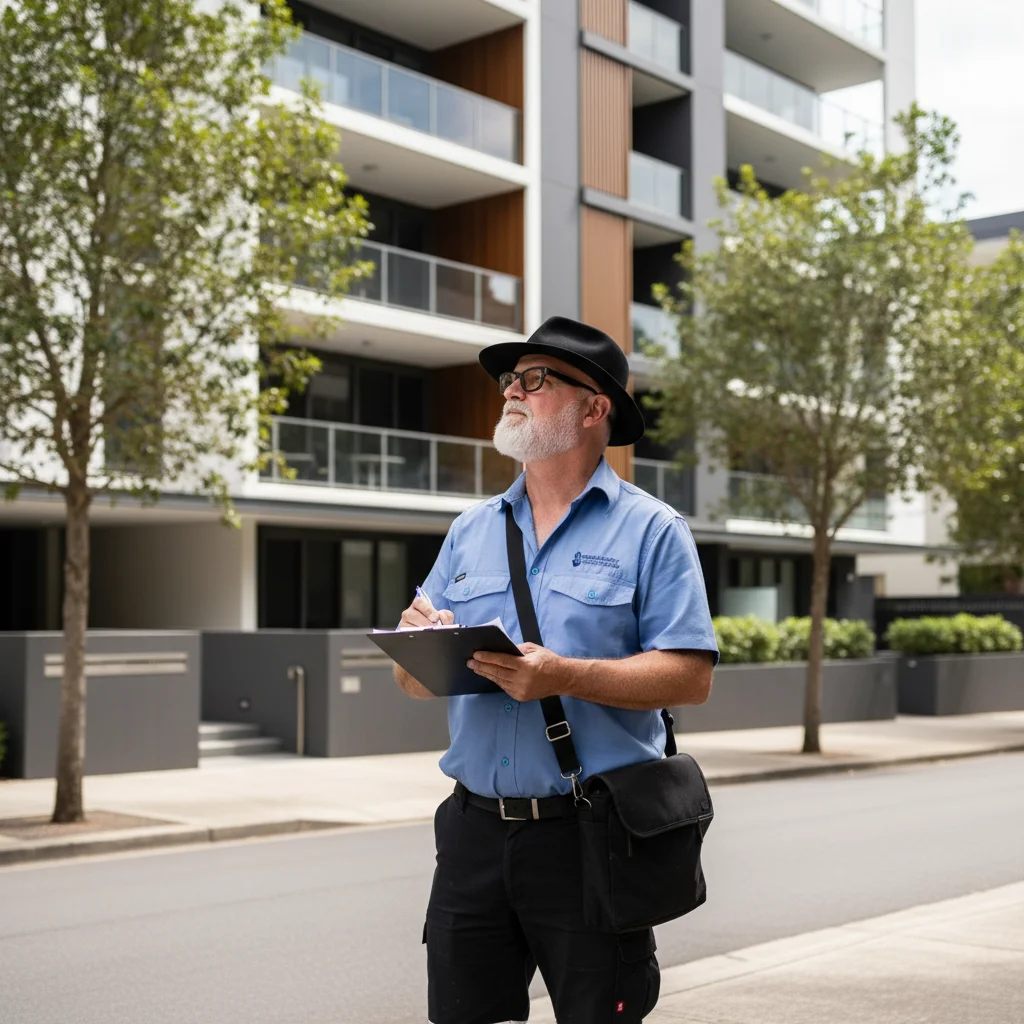
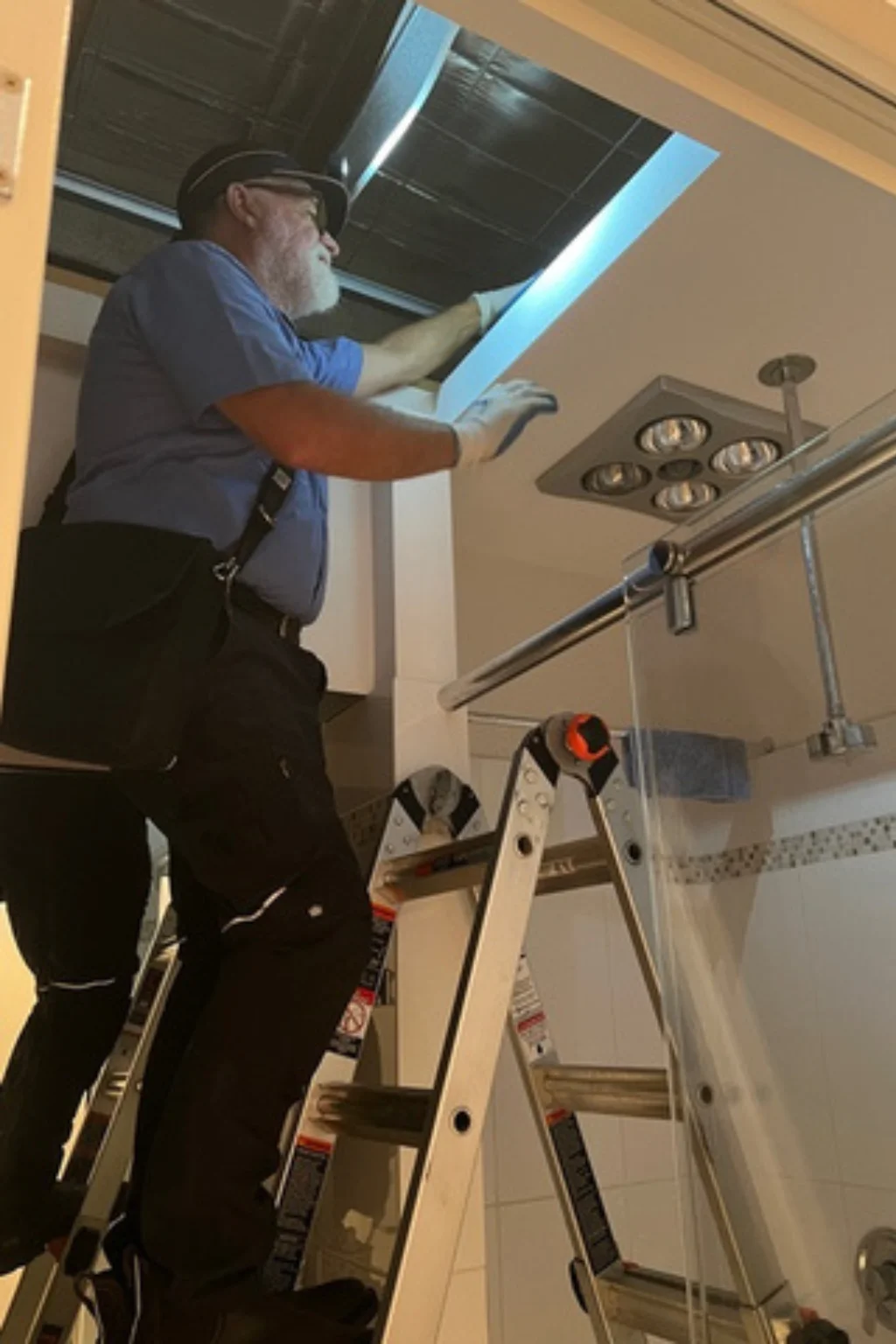
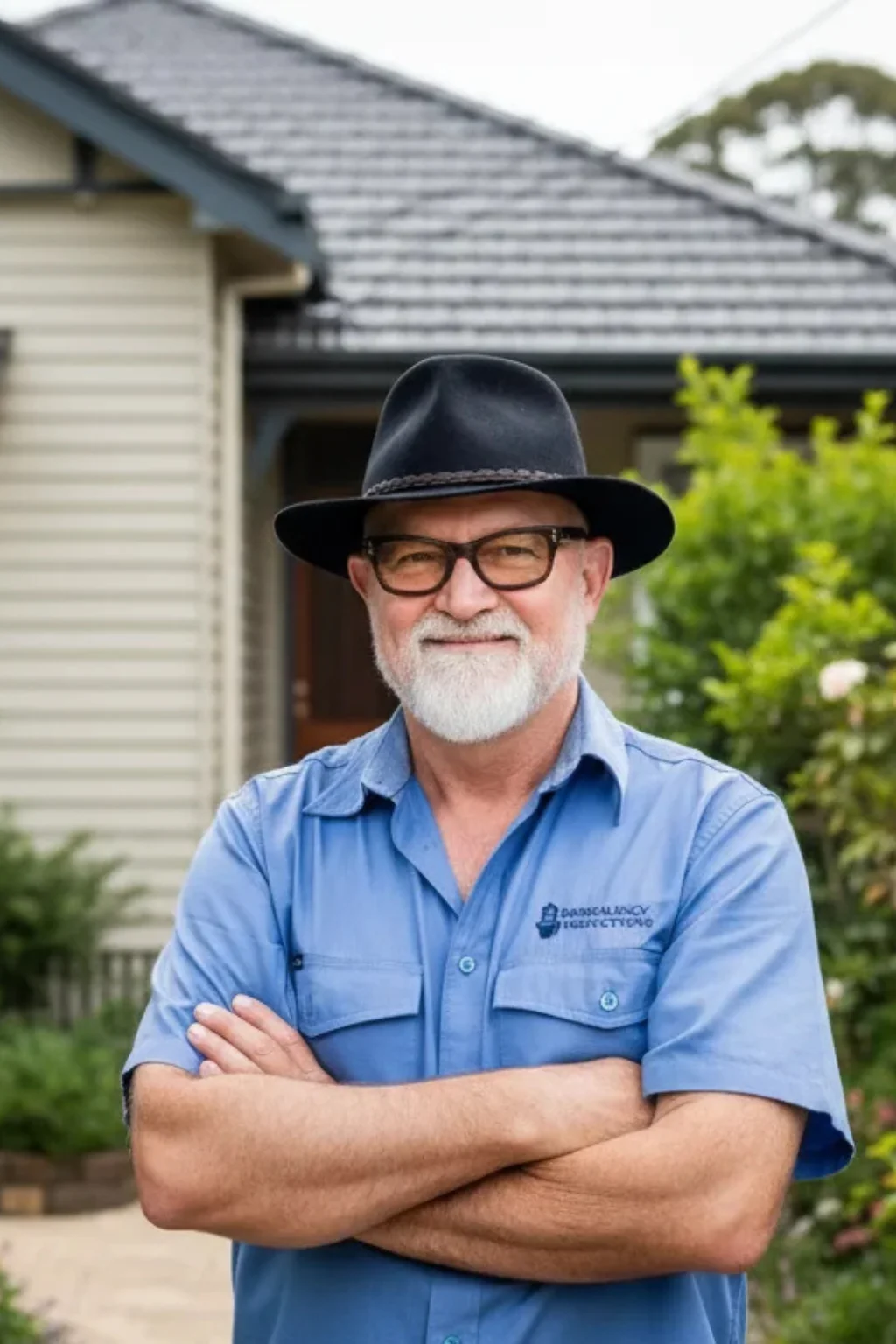
At Barrenjoey Inspections, every strata and apartment inspection is conducted personally by Marc Hanley, a licensed builder with over 30 years of hands-on construction experience across Sydney and the Northern Beaches.
Marc does not just note what he sees. He understands how apartment buildings are constructed, how defects develop in strata stock, and what the practical implications are for buyers. That depth of knowledge comes from decades working with buildings, not a short inspection course.
 Licensed builder with 30+ years of construction experience
Thorough visual inspections conducted to Australian Standard AS4349
Detailed photographic reports delivered within 24 hours
100% independent with no conflicts of interest
A strata building inspection is a thorough visual assessment of a strata-titled property conducted before purchase. It covers the individual lot being purchased and the visible common property areas of the building two things a standard freestanding home inspection does not address in the same way.
When you buy a unit or apartment, you own your lot and share ownership of common property with other owners in the scheme. Common property includes the building facade, roof, stairwells, corridors, car parking, and shared facilities. The condition of these shared elements directly affects your investment, your ongoing levies, and your experience as an owner.
Our strata inspection gives you an accurate, independent picture of both your specific lot and the visible condition of the building before you are legally committed to the purchase.
Inside your unit or apartment we conduct a thorough visual assessment covering:
For the shared building elements we assess the visible condition of:
We identify and document visible safety hazards across all assessed areas including:
All inspections are conducted in line with Australian Standard AS4349. Areas that cannot be safely or reasonably accessed at the time of inspection are clearly noted in the report along with the associated risk this creates.
Understanding the limits of a strata inspection helps you plan your due diligence properly and identify any additional assessments you may need.
A strata building inspection does not cover:
A building inspection and a strata records search together give you the most complete picture before you commit. The building inspection covers the physical condition. The strata records search covers the financial and administrative history of the scheme. Your solicitor or conveyancer can arrange the records search.
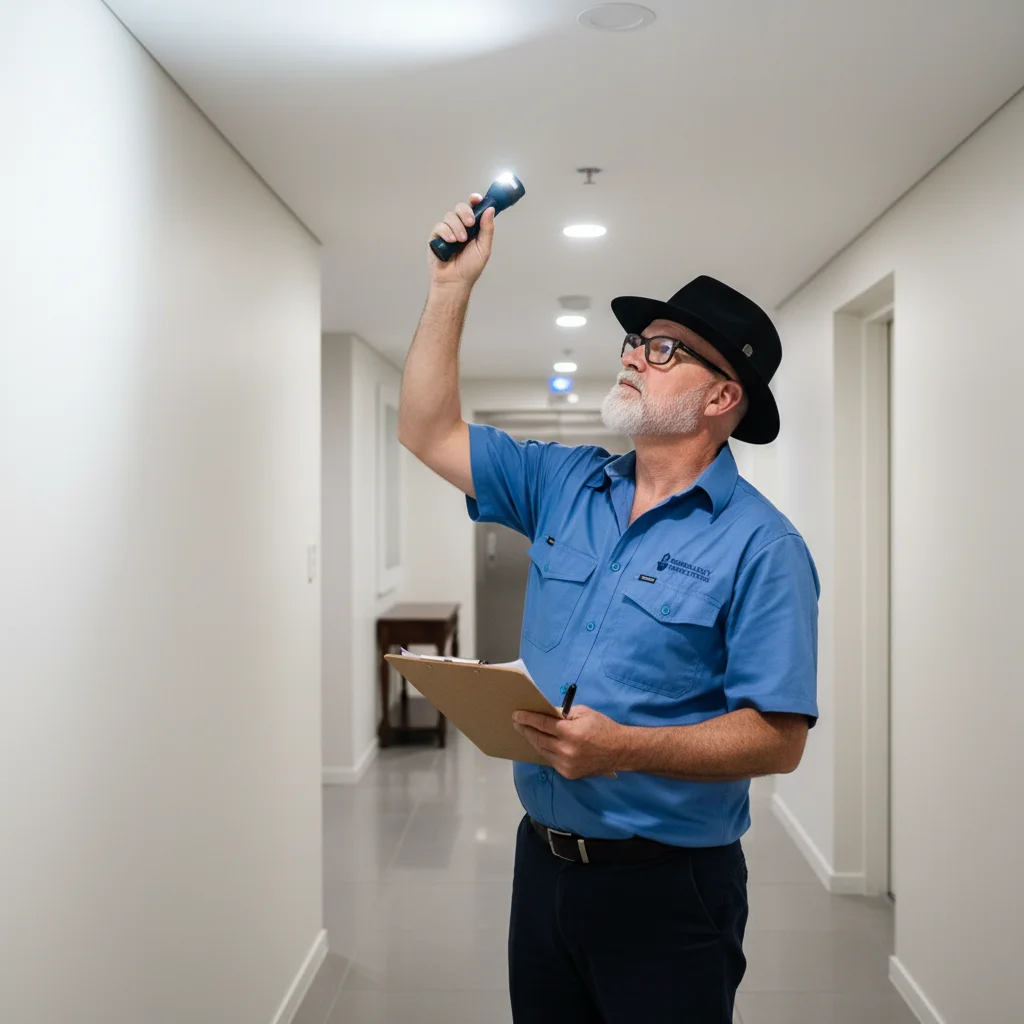
We keep the process simple and stress-free from first contact to report delivery. Here is what to expect.
Step 1 — Book Your Inspection
Contact us by phone or through the online quote form. We will confirm the property address, inspection type, and your preferred date. We liaise directly with the real estate agent to arrange access so you do not have to.
Step 2 — On-Site Inspection
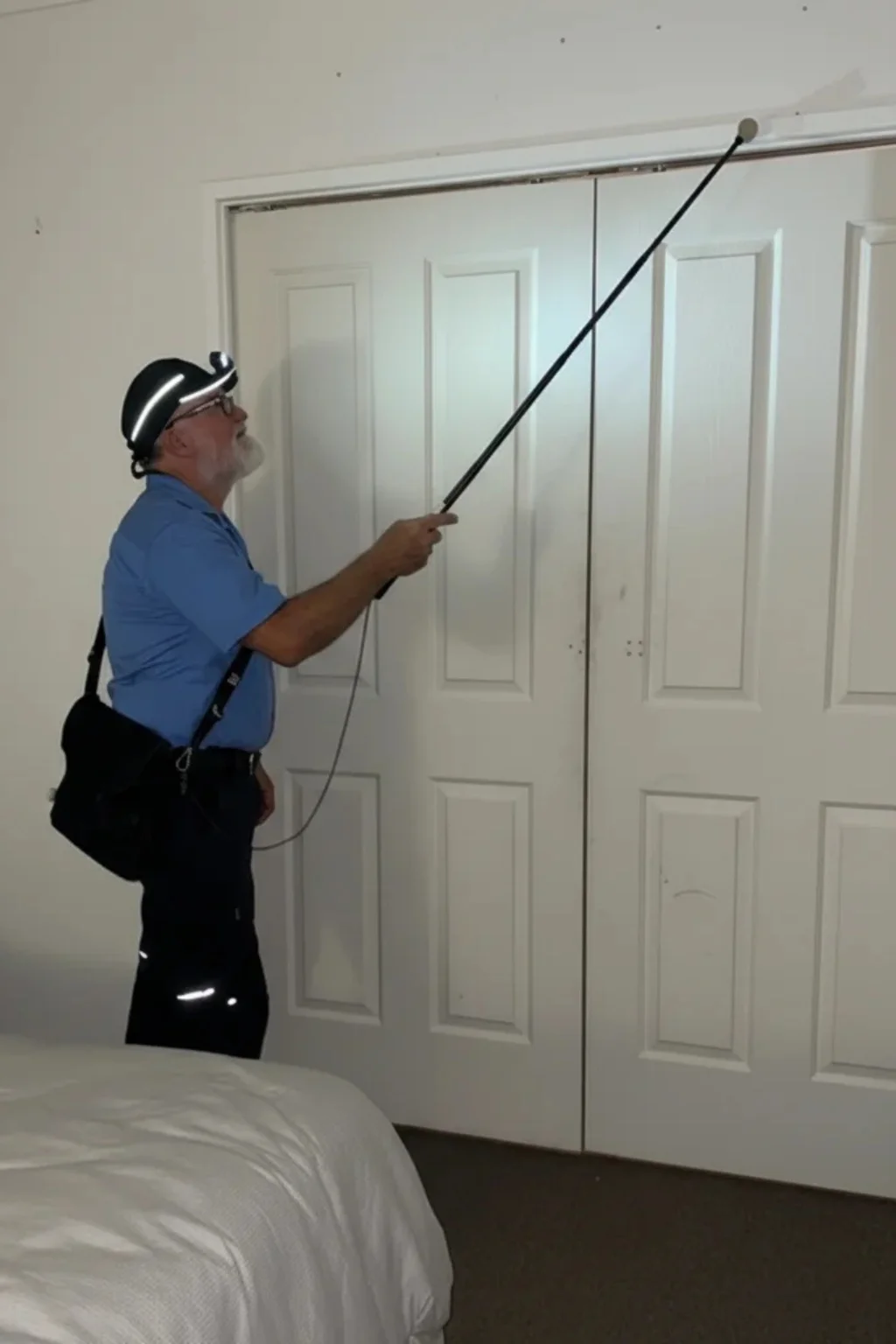
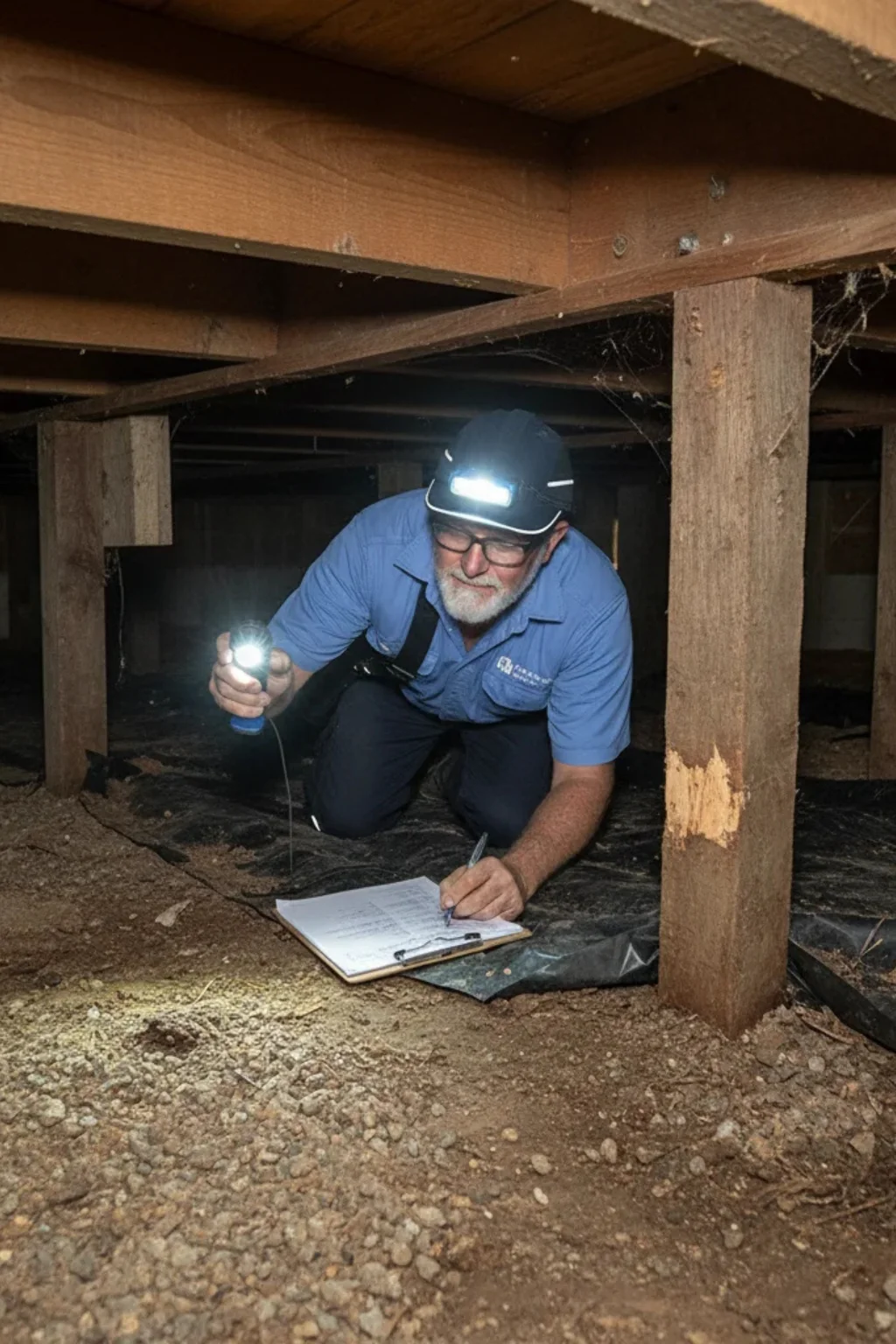
Marc arrives at the property and carries out a thorough visual inspection of all safely accessible areas. Most inspections take between one and three hours depending on the property size and age.
Step 3 — Report Delivered Within 24 Hours
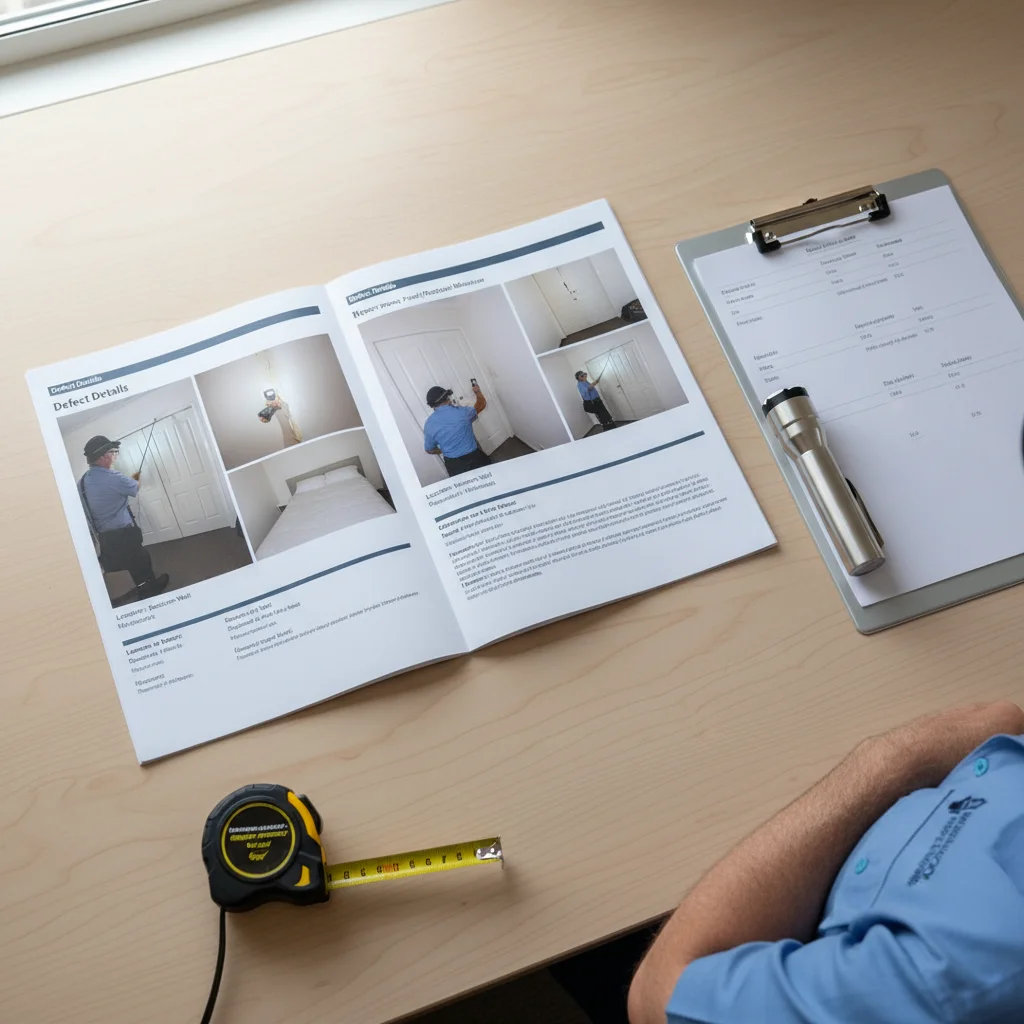
Your detailed photographic report is delivered to your inbox within 24 hours of the inspection. The report documents all findings clearly with photographs, plain English descriptions, and a clear indication of the severity of each issue.
Step 4 — Follow-Up Phone Call
Marc is available for a follow-up call to walk you through the key findings, answer your questions, and help you understand what the report means for your decision.
Your report is designed to be read and understood by a property buyer, not just a building professional. Every significant finding is documented with photographs and a plain English explanation.
Each report includes:
The report is delivered as a digital document you can share directly with your solicitor, strata manager, or buyers agent. It is compliant with Australian Standard AS4349.
Not all building inspectors have the same level of experience or qualifications. In NSW, the requirements to become a registered building inspector are less demanding than many buyers realise.
Strata properties in particular require an inspector who understands multi-residential construction methods, how buildings age, and where the common failure points are for Sydney apartment stock.
Marc Hanley is a licensed builder, not just a registered inspector. Here is what that means for you:
When you book a strata inspection with Barrenjoey Inspections, you get the assessment of someone who has spent over 30 years working with buildings across Sydney. That depth of experience shows in what gets found and how it gets explained.
After inspecting apartment and strata properties across the Northern Beaches and North Shore, these are the issues we identify most frequently.
Knowing what to look for before you buy is one of the most valuable things an experienced inspector brings to your due diligence.
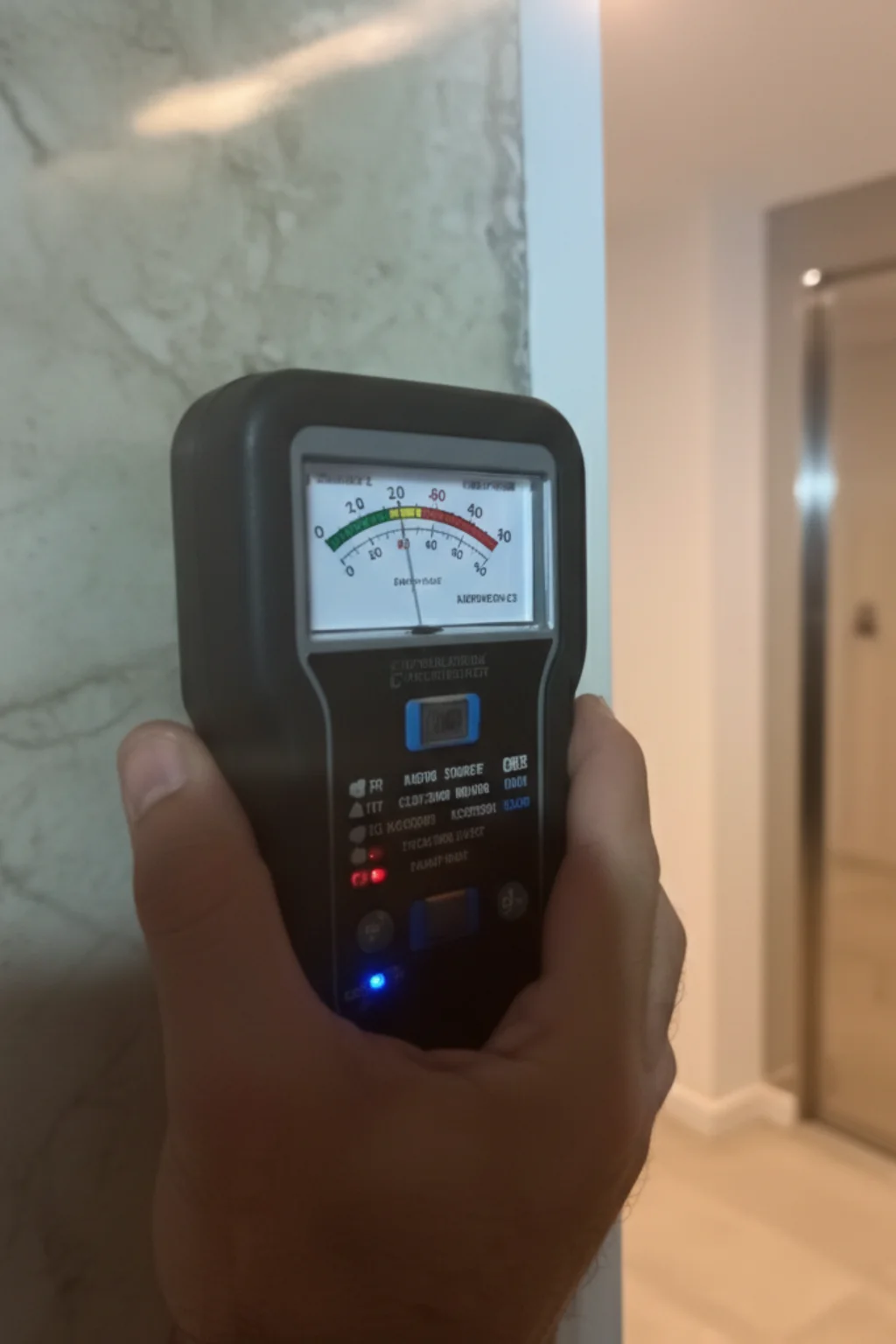
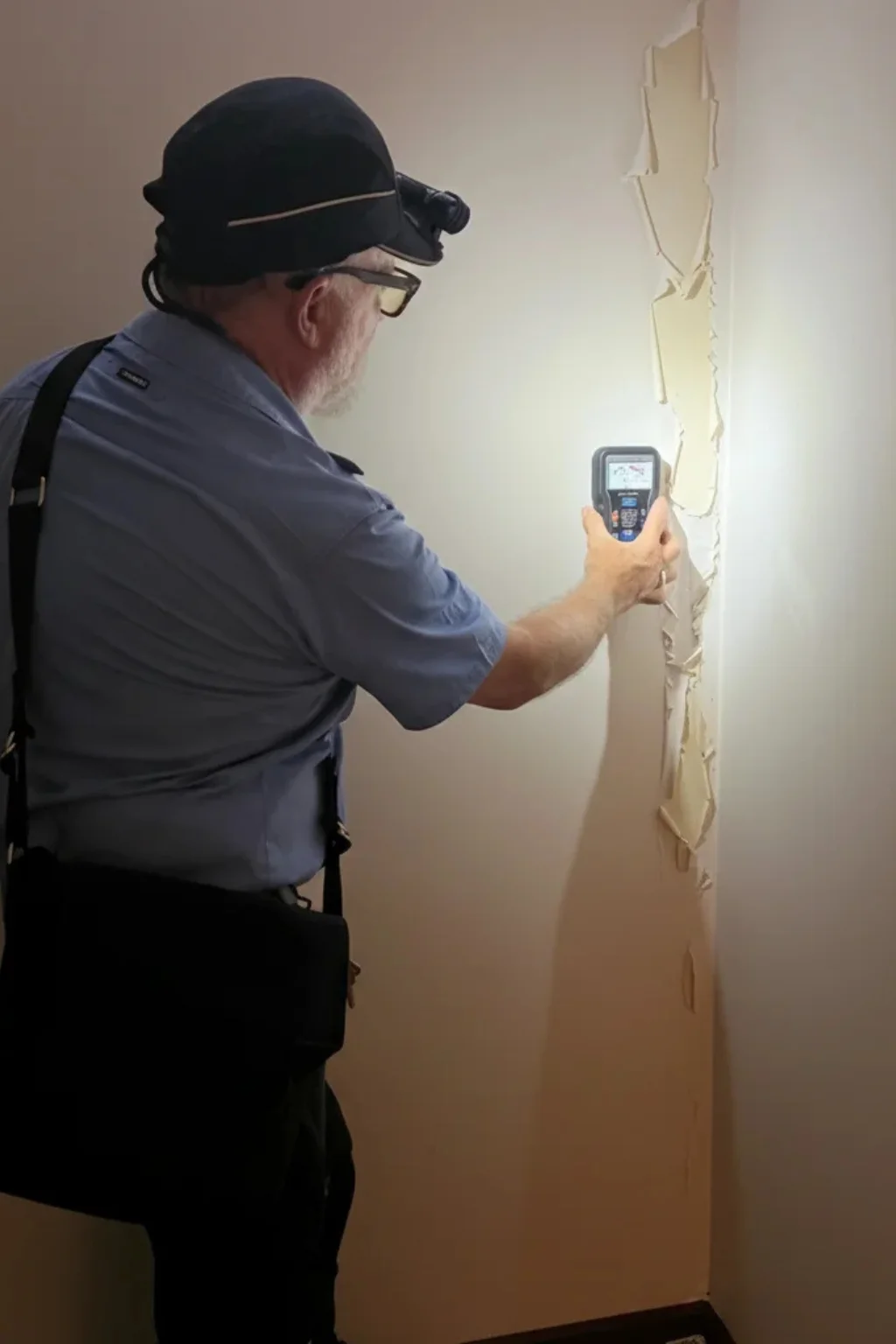
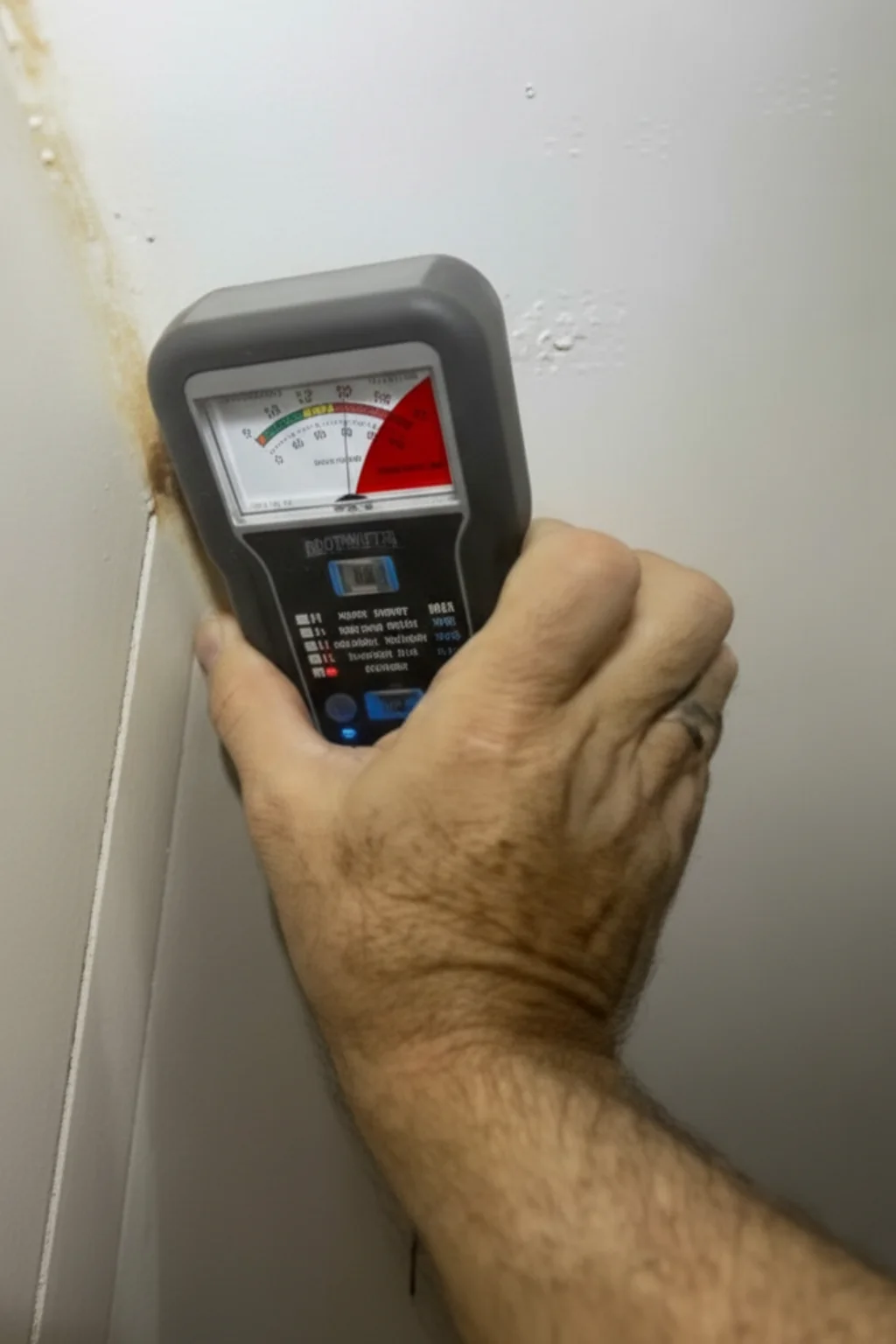
Waterproofing Failure in Wet Areas Failed waterproofing in bathrooms, ensuites, and laundries is one of the most common defects in Sydney apartments. Water penetration through failed waterproofing causes damage to structure, finishes, and in many cases the lot below. Moisture meters identify this where visual inspection alone would not reveal the problem.
Concrete Spalling and Reinforcement Corrosion Visible concrete spalling on balconies, columns, and exposed structural elements is frequently identified in older apartment buildings, particularly in coastal areas where salt air accelerates corrosion of internal steel reinforcing. This ranges from localised surface deterioration to structural concern requiring specialist assessment.
Common Area Waterproofing Deterioration Roof terraces, podium levels, and common area balconies in older Sydney apartment buildings frequently show deteriorating waterproofing membranes. These are costly to rectify and the cost is shared across all lot owners through special levies, making identification before purchase essential.
Building Facade Cracks and Deterioration External wall cracks, deteriorating render, and facade weathering are commonly identified, particularly in buildings approaching or exceeding 30 years of age. Coastal properties show accelerated deterioration due to ongoing salt-air exposure.
Inadequate Bathroom and Laundry Ventilation Poor ventilation leads to ongoing moisture accumulation, condensation, and mould. This is particularly common in older apartment stock where ventilation design did not meet current standards.
Window and Sliding Door Seal Deterioration Failed seals around windows and sliding doors allow water ingress and air infiltration. In coastal environments this deterioration occurs significantly faster than in inland properties.
Balustrade and Stair Safety Concerns Older buildings frequently present balustrade heights, spacing, and construction that do not meet current Australian Standards for residential buildings. These are documented as safety concerns in every inspection.
We carry out strata and apartment inspections across Sydney with a primary focus on the Northern Beaches and North Shore. Our local knowledge of the building stock, coastal conditions, and common defect patterns in this area is a genuine advantage for buyers purchasing strata properties here.
Northern Beaches Manly, Dee Why, Collaroy, Mona Vale, Avalon, Newport, Narrabeen, Freshwater, Palm Beach, Warriewood, Brookvale, Seaforth, Balgowlah, Curl Curl, Fairlight, Beacon Hill, Cromer, Allambie Heights, Whale Beach
North Shore Mosman, Neutral Bay, Cremorne, North Sydney, Willoughby, Chatswood, Lane Cove, Crows Nest, Kirribilli
Not sure if we cover your suburb? Call Marc directly for a quick answer.
EXCELLENTTrustindex verifies that the original source of the review is Google. Marc was efficient and extremely thorough at a time we really needed his professional advice. His communication is outstanding and we highly recommend him.Posted on GoogleTrustindex verifies that the original source of the review is Google. Marc provided a very comprehensive building report, and was a pleasure to work with. He was responded to our enquiry immediately and was available at short notice.Posted on GoogleTrustindex verifies that the original source of the review is Google. I highly recommend Marc for anyone looking for a building and pest report. He was responsive, thorough in his review of the property, helpful with my queries and easy to do business with.Posted on GoogleTrustindex verifies that the original source of the review is Google. Marc is extremely thorough and meticulous. I have used many other Property inspectors in the past and none of them have come anywhere close to the level of detailed reports that Mark provide. He is the gold standard for property inspectors. So pleased I engaged his services on several occasions. I will recommend him to everyone. Dave.Posted on GoogleTrustindex verifies that the original source of the review is Google. Marc performed a building and pest inspection for an apartment ahead of a purchase. Quick turnaround for a thorough report that was clear to understandPosted on GoogleTrustindex verifies that the original source of the review is Google. Marc was able to accomodate me quickly and was very thorough and knowledgeable. I highly recommend Marc for your next house/pest inspection.Posted on GoogleTrustindex verifies that the original source of the review is Google. I was very impressed by the professional and friendly service from Barrenjoey Inspections. Marc is knowledgeable and has great attention to detail. The report is thorough and easy to follow, providing confidence for the most significant purchase, our new home.Verified by TrustindexTrustindex verified badge is the Universal Symbol of Trust. Only the greatest companies can get the verified badge who has a review score above 4.5, based on customer reviews over the past 12 months. Read more
Yes. Apartments and strata-titled properties present specific risks that are not visible during a standard open home. Failed waterproofing, concrete deterioration, common property defects, and building facade issues can all affect your investment and your ongoing strata levies. An independent building inspection gives you accurate information before you are legally committed to the purchase.
Our strata inspection covers your individual lot and visible common property areas. For the lot we assess internal walls, wet areas, windows, doors, balcony, and visible safety hazards. For common property we assess the building facade, roof where accessible, corridors, stairwells, car parking, and shared walkways. All findings are documented with photographs in a clear written report compliant with Australian Standard AS4349.
Most apartment inspections take between one and two hours depending on the size of the lot and the extent of accessible common property areas. Buildings with more floors or larger common areas take longer to inspect thoroughly.
Your detailed photographic report is delivered within 24 hours of the inspection. A follow-up call with Marc is available to walk you through the key findings before you make your decision.
A building inspection assesses the physical condition of the property at the time of inspection. A strata records search reviews the administrative and financial history of the scheme including meeting minutes, financial statements, pending levies, and known defects raised through the owners corporation. Both are important. We conduct the building inspection. Your solicitor or conveyancer arranges the strata records search.
Yes. We assess all visible and safely accessible common property areas including corridors, stairwells, car parking, the building facade, and roof where accessible. Findings related to common property are clearly separated from findings specific to your individual lot in the report.
Concrete cancer refers to the deterioration of reinforced concrete caused by corrosion of internal steel reinforcing. As the steel corrodes it expands, causing surrounding concrete to crack and spall. It is common in older Sydney apartment buildings, particularly in coastal areas where salt air accelerates the process. We identify and document visible signs of concrete deterioration in every inspection and note where specialist assessment is recommended.
Defects in common property are the responsibility of the owners corporation. However, the cost of rectifying common property defects is shared across all owners through strata levies.
Identifying significant common property issues before you buy means you can factor potential costs into your decision and negotiate accordingly.
A standard strata building inspection covers visible structural defects and building condition. It does not include a timber pest inspection.
If the building has significant timber framing or timber elements, we recommend adding a timber pest component. Contact us to discuss the specific property and we can advise on what is most appropriate.
Many buyers use findings from a building inspection as part of price negotiations, particularly for defects specific to the individual lot.
Common property findings provide important context for your solicitor and can inform your negotiation position, particularly where significant shared building works may be required in the near future.